Comparing Kilimanjaro Routes: Which Is Right for You?
Introduction: Kilimanjaro Route Comparison Guide
Choosing the right Kilimanjaro route is the single most important decision after your travel dates. Routes differ in scenery, crowds, acclimatization profile and summit success probability.
Tanzania protects more than 38% of its land — a commitment Tanzania National Parks Authority (TANAPA) enforces through community partnerships and anti-poaching investment that directly benefits the experiences described below.
Understanding this topic before you fly saves money, reduces stress and dramatically improves wildlife encounters. Our guides based in Moshi and Arusha share this knowledge daily with travellers who book through Kilita safari packages.
Machame Route (Whiskey Route)
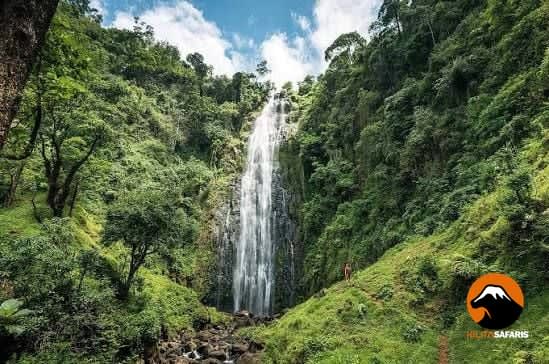
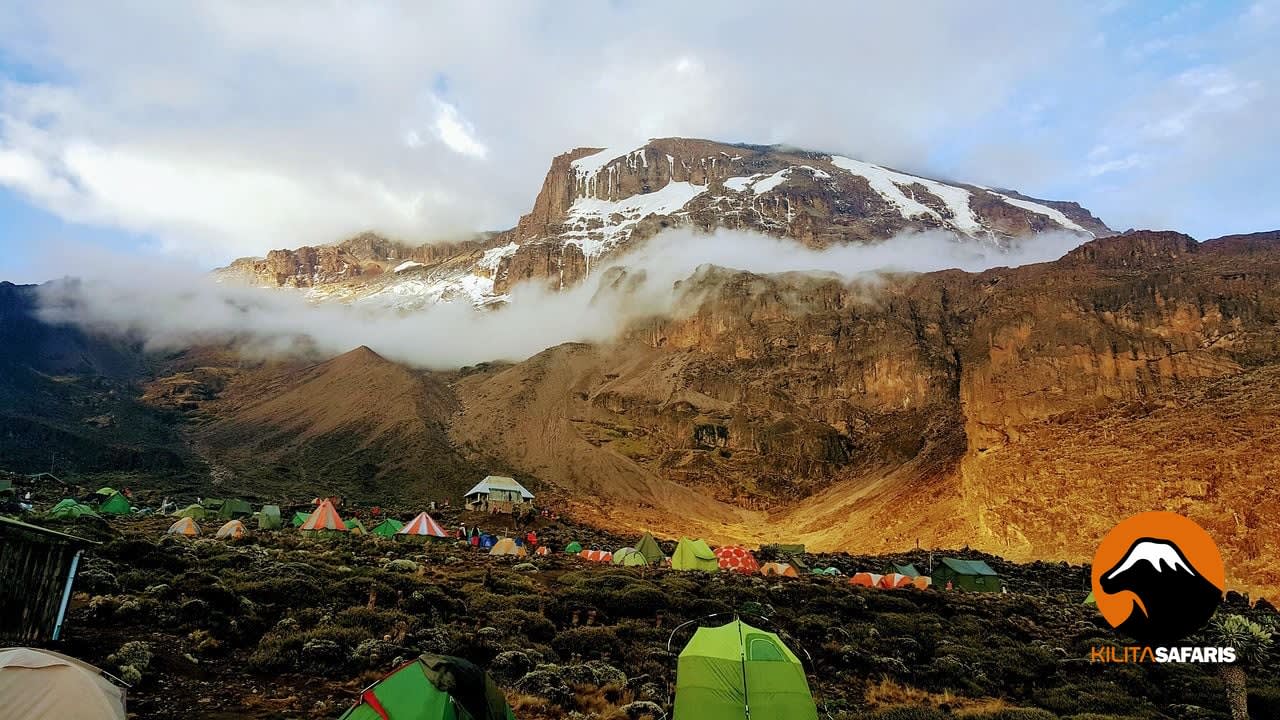
6–7 days. Scenic southern approach through rainforest, Shira Plateau and Barranco Wall. Excellent acclimatization with 'climb high, sleep low' profile. Most popular — can be busy in peak season. Success rate: ~85% on 7-day itinerary.
In our experience operating Big Five safaris and extended northern circuits, travellers who research machame route (whiskey route) before booking communicate preferences clearly — and receive itineraries matched to their actual interests rather than generic templates.
Marangu Route (Coca-Cola Route)
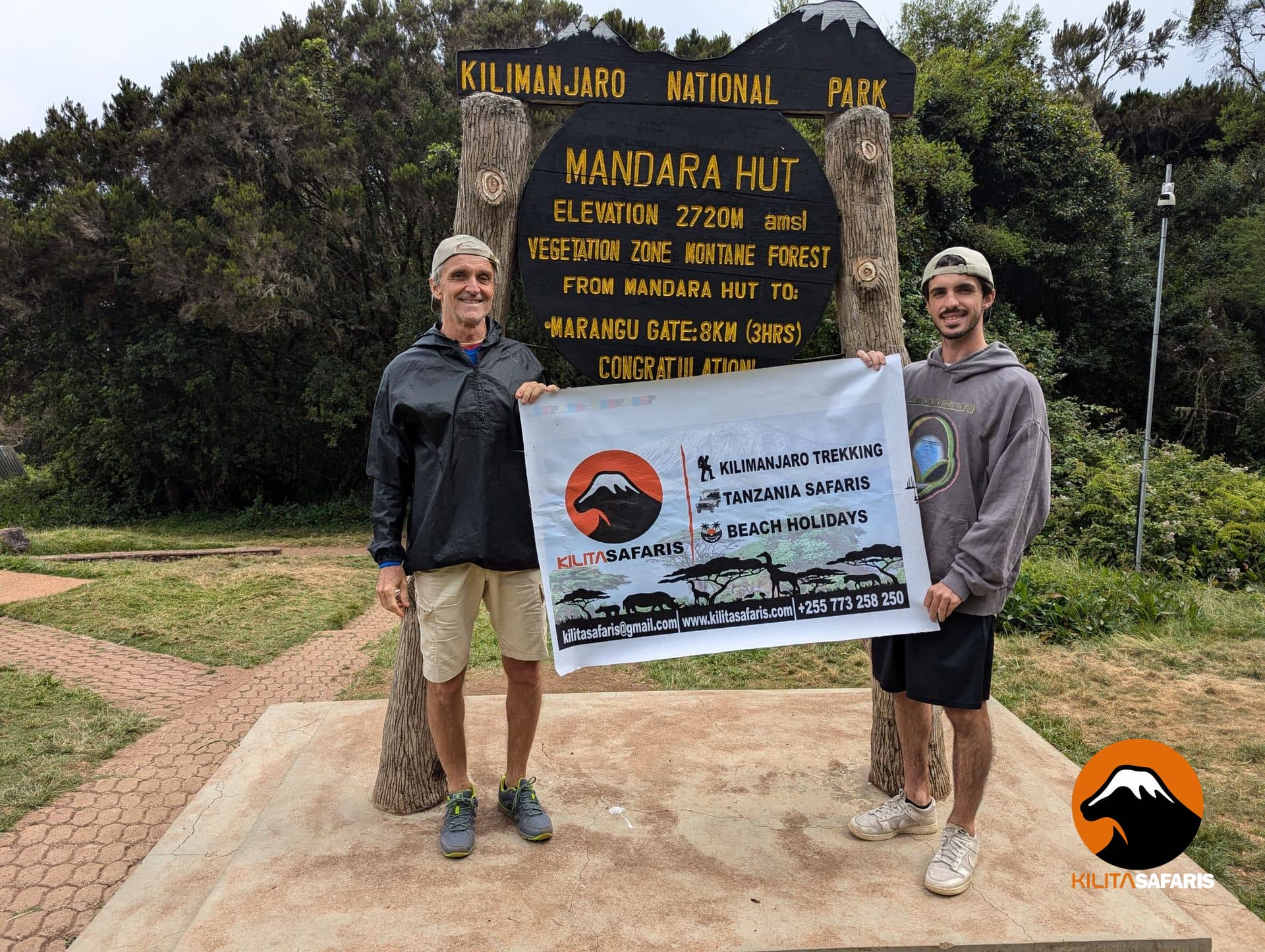
5–6 days. Only route with hut accommodation. Same path up and down. Gentler gradient but less acclimatization time — lowest success rate among major routes (~50–60% on 5 days). Good for hikers who prefer huts over tents.
Families and solo travellers alike benefit from private vehicle flexibility discussed in our private safari breakdown. Joining groups work for budget-conscious travellers comfortable with shared pacing.
Road transfers from Arusha to Serengeti take six to eight hours depending on gate and sector. Fly-in options via Seronera or Kogatende airstrips save a full day and reduce fatigue — worth budgeting for on short itineraries.
Lemosho Route
7–8 days. Western approach, longest acclimatization, stunning remote scenery first days. Lower traffic, higher success rates (~90%+ on 8 days). Premium choice for first-timers with adequate time.
Repeat visitors often pair this with northern vs southern circuit analysis to decide whether a second trip should explore Ruaha, Nyerere or return to Serengeti with fresh eyes.
UNESCO Serengeti World Heritage listing recognises the Serengeti-Ngorongoro ecosystem as irreplaceable global heritage. Understanding why this landscape matters ecologically deepens every sighting — from oxpeckers on buffalo to cheetah scanning termite mounds on short-grass plains.
Rongai Route
6–7 days. Northern approach from Kenya border. Drier conditions during rains. Gentler profile, fewer climbers, good for rainy season attempts.
The difference between a good safari and an unforgettable one often comes down to guide quality and time on the ground — not star ratings. Guest reviews consistently highlight guide knowledge above lodge thread count.
In our experience operating Big Five safaris and extended northern circuits, travellers who research rongai route before booking communicate preferences clearly — and receive itineraries matched to their actual interests rather than generic templates.
Essential Kilimanjaro & Trekking Knowledge
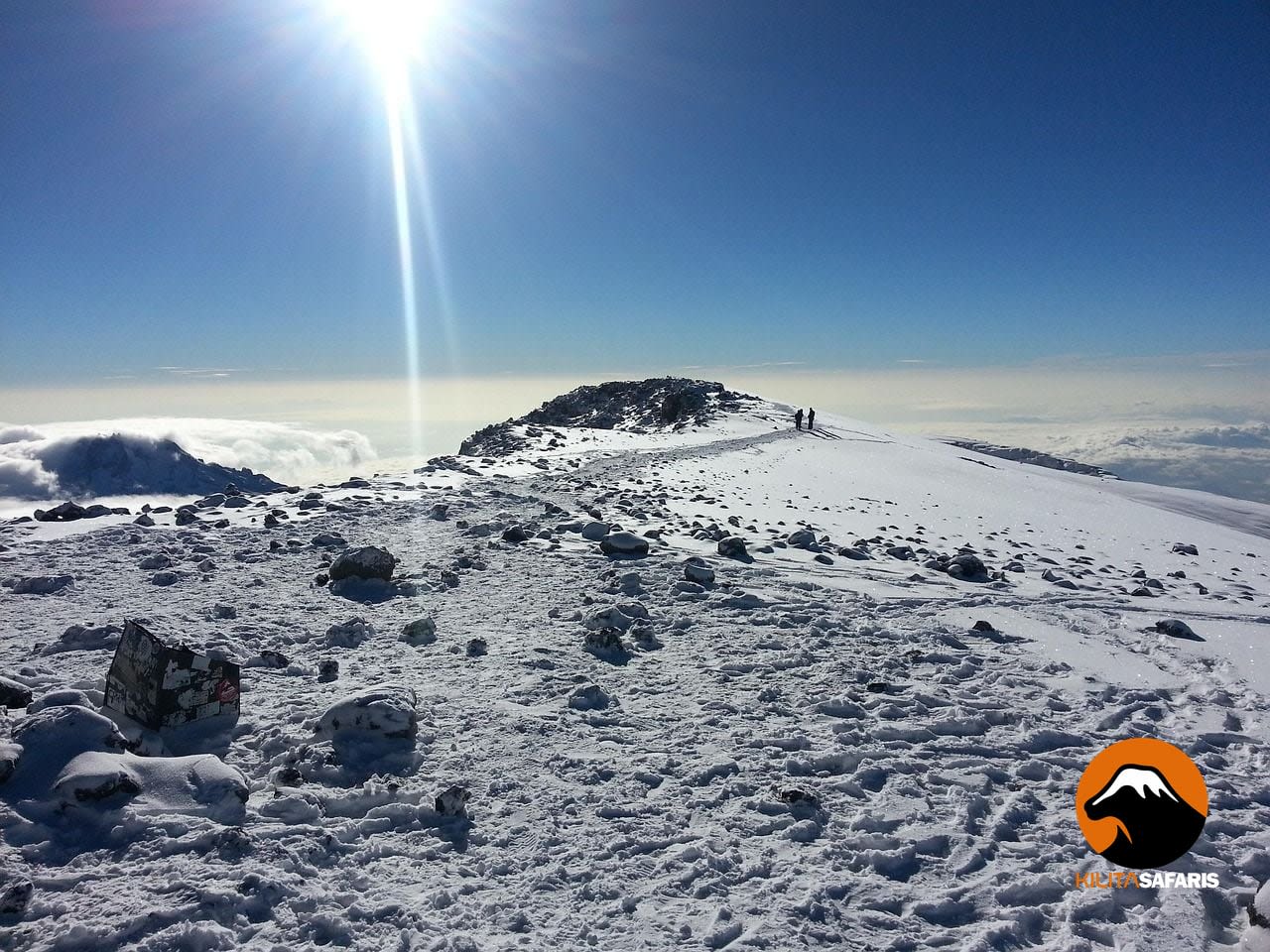
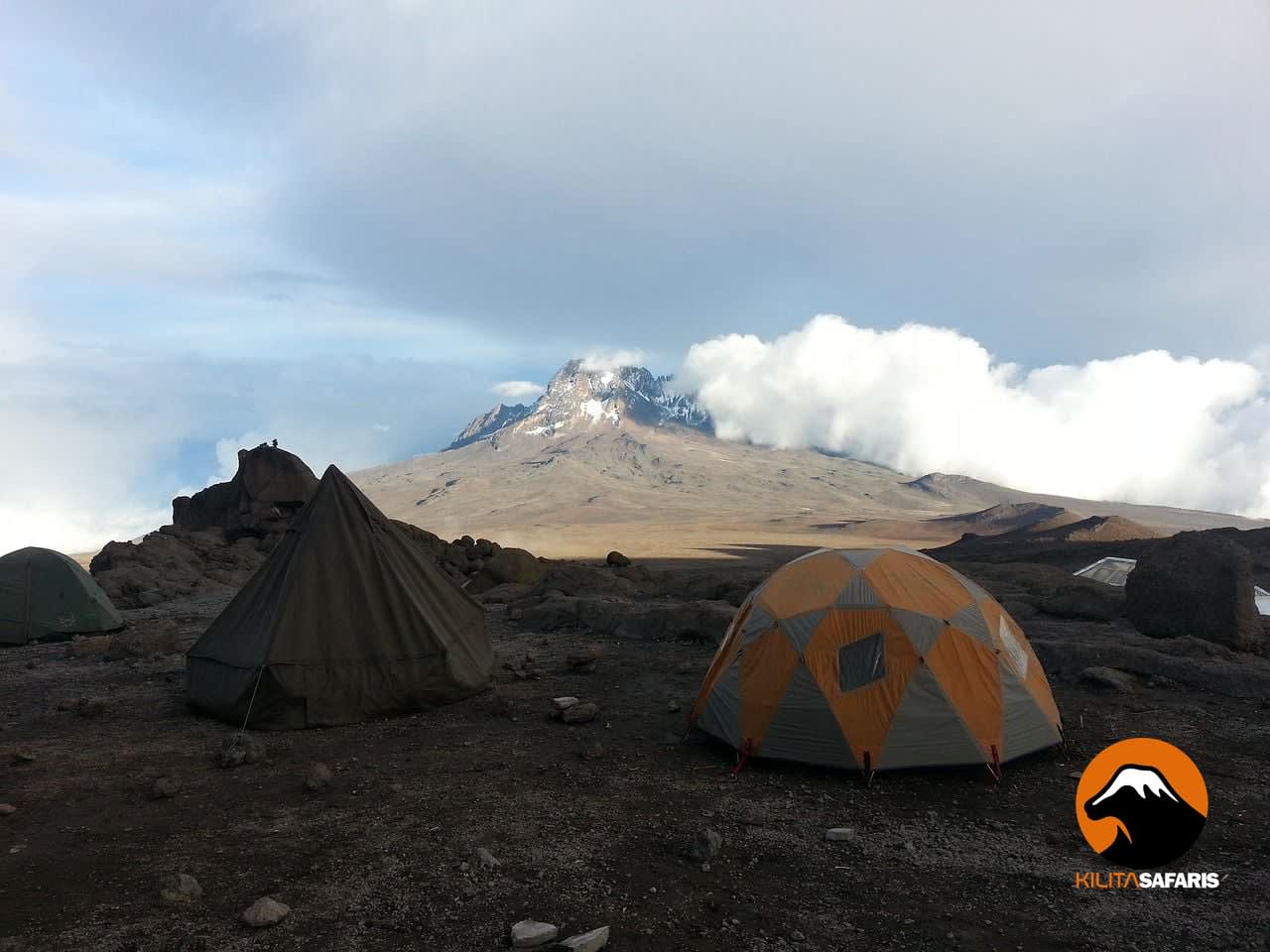
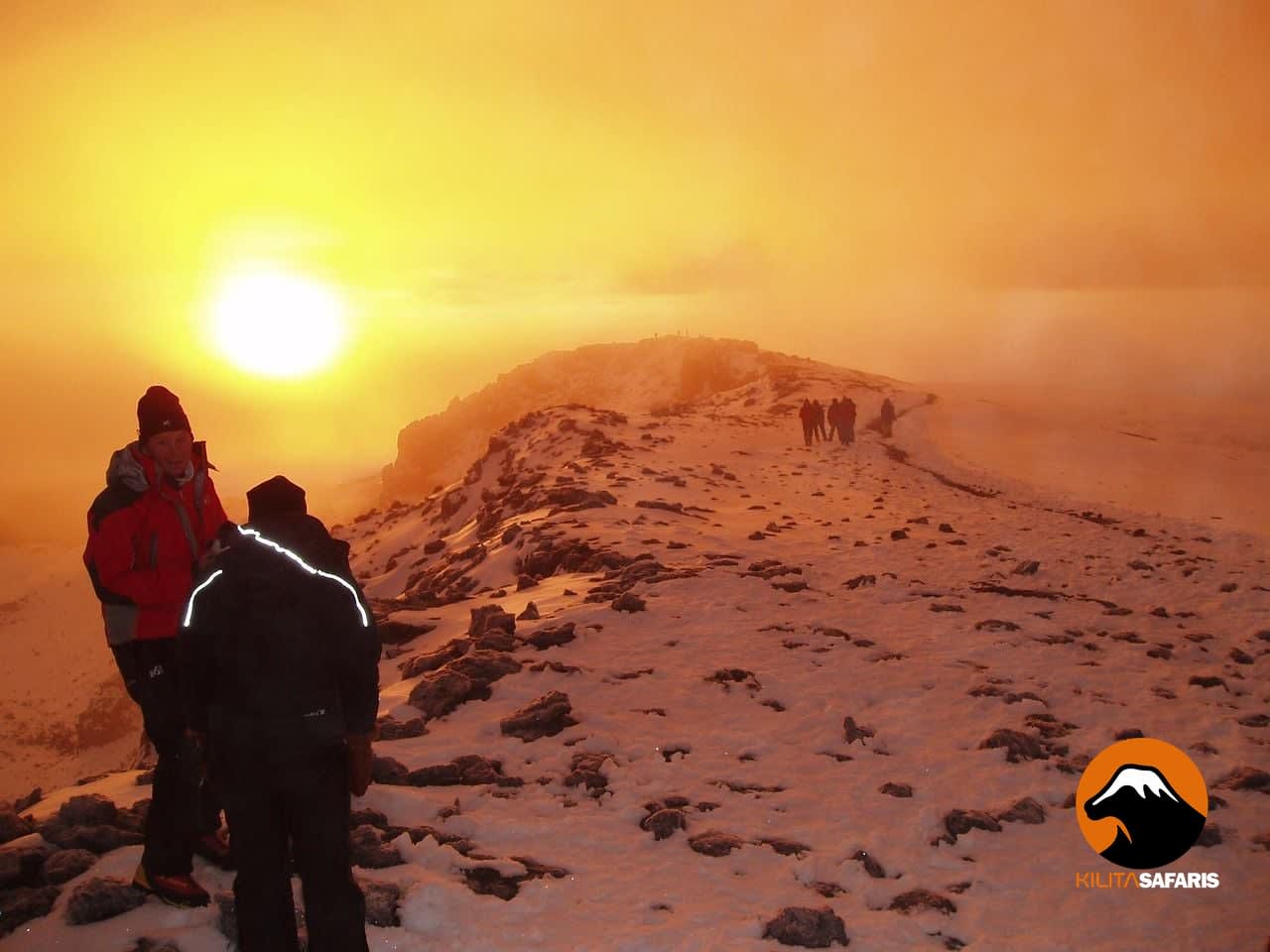
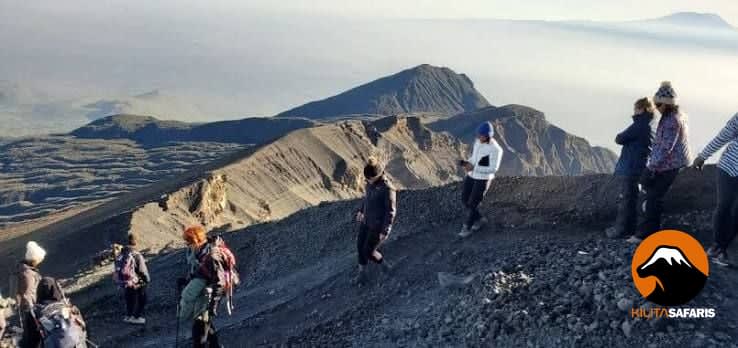
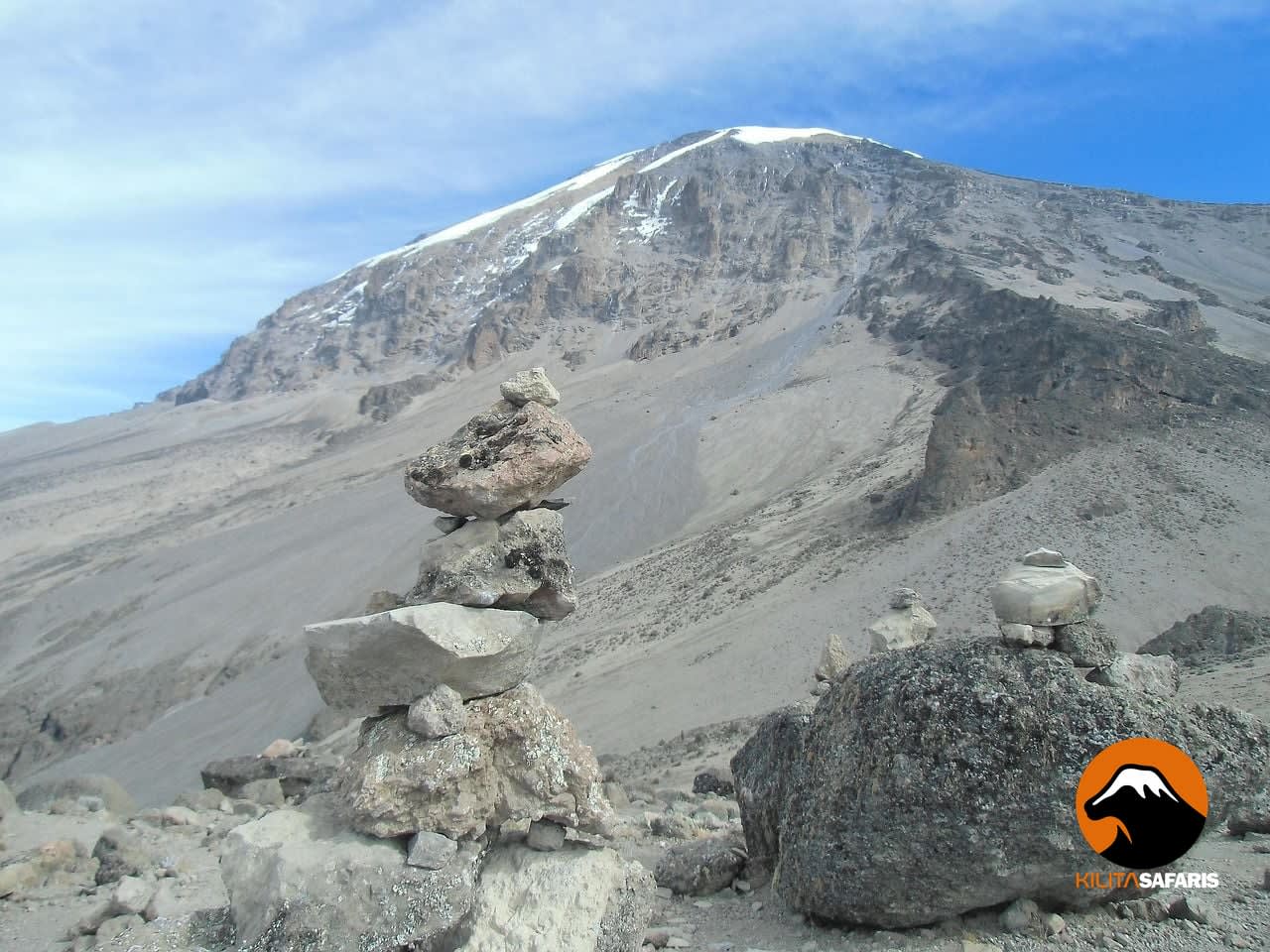
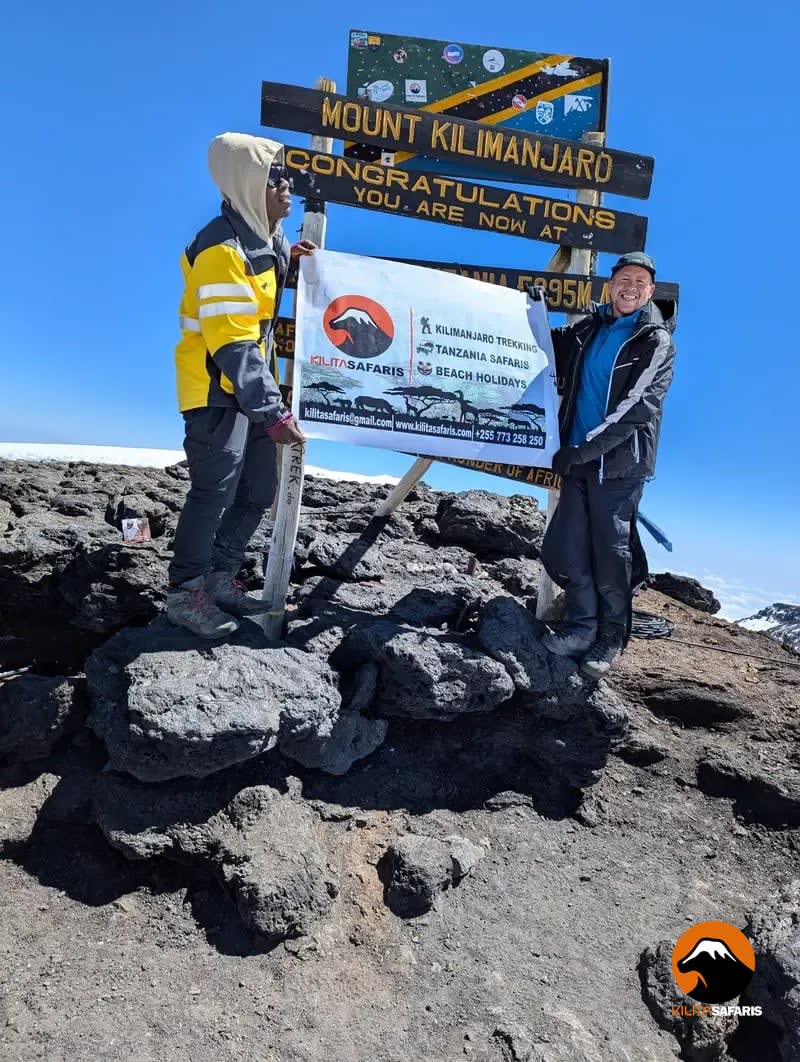
Mount Kilimanjaro at 5,895 metres is Africa's highest peak and the world's tallest free-standing mountain. Thousands of trekkers summit annually, but success depends on route selection, acclimatization profile, fitness preparation and the quality of your guiding team. Researching Kilimanjaro routes compared before booking helps you choose an itinerary matched to your experience and timeline. Kilimanjaro is a hike, not a technical climb — no ropes or crampons on standard routes — yet altitude above 4,000 metres affects every body differently. Routes with more acclimatization days (Lemosho 8-day, Machame 7-day, Northern Circuit 9-day) consistently deliver higher summit success rates than compressed 5-day Marangu itineraries.
Road transfers from Arusha to Serengeti take six to eight hours depending on gate and sector. Fly-in options via Seronera or Kogatende airstrips save a full day and reduce fatigue — worth budgeting for on short itineraries.
Route Selection at a Glance
Machame (6–7 days): Scenic southern approach, Barranco Wall, strong acclimatization on 7-day version — most popular route. Lemosho (7–8 days): Western approach, remote first days, highest success rates, premium experience.
Families and solo travellers alike benefit from private vehicle flexibility discussed in our private safari breakdown. Joining groups work for budget-conscious travellers comfortable with shared pacing.
UNESCO Serengeti World Heritage listing recognises the Serengeti-Ngorongoro ecosystem as irreplaceable global heritage. Understanding why this landscape matters ecologically deepens every sighting — from oxpeckers on buffalo to cheetah scanning termite mounds on short-grass plains.
Why This Matters for Your Tanzania Safari
Tanzania remains one of Africa's most rewarding safari destinations — home to the Serengeti, Ngorongoro Crater, Tarangire, Lake Manyara and vast southern reserves like Nyerere and Ruaha. Whether you are researching Kilimanjaro Route Comparison Machame vs Marangu vs Lemosho 2026 & 2027 from USA for the first time or refining a detailed itinerary, local knowledge makes the difference between a standard tour and a truly exceptional wildlife experience.
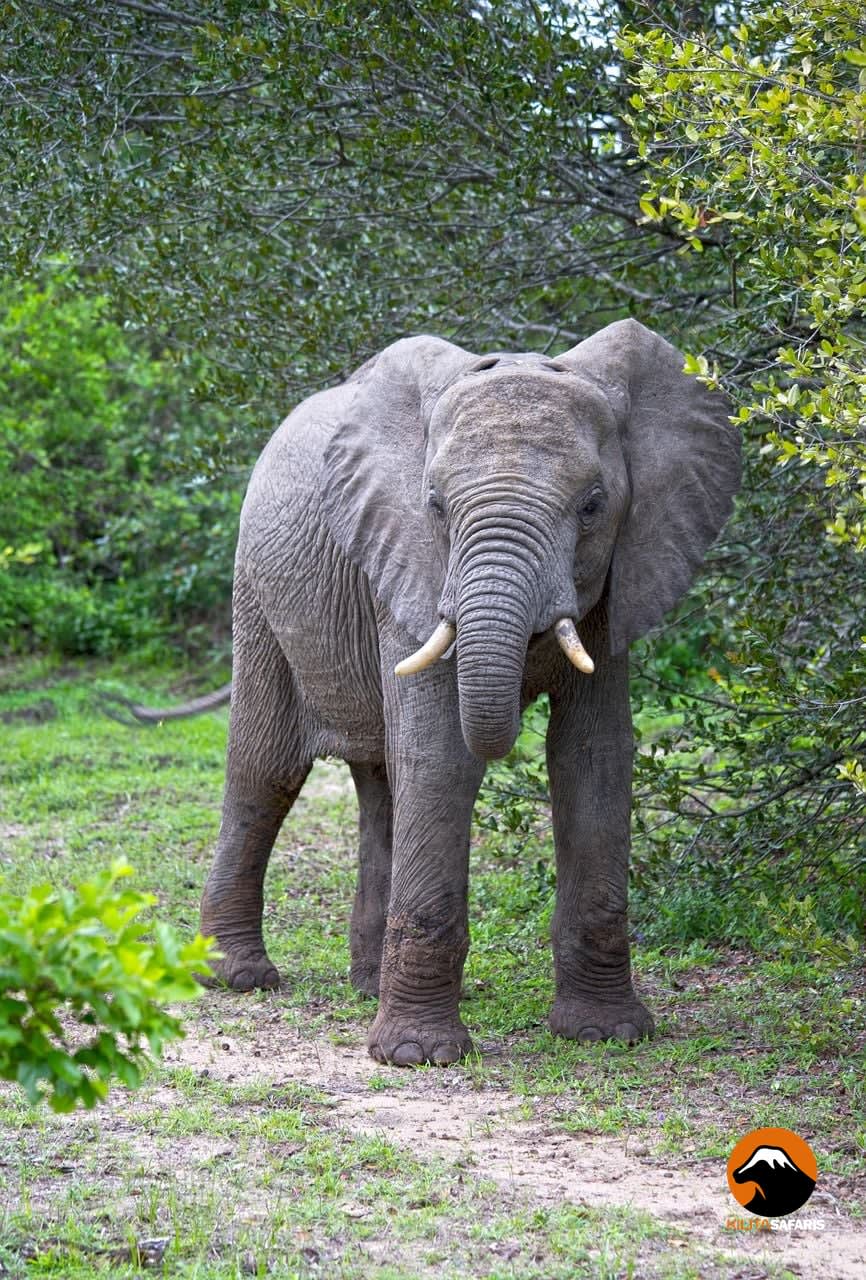
The Northern Circuit alone covers more than 14,000 square kilometres of protected wilderness. Park fees, seasonal wildlife movements, lodge availability and road conditions all change throughout the year. Guides who work these ecosystems daily understand where predators hunt at dawn, which waterholes attract elephant herds in October, and how to avoid unnecessary driving when the migration shifts north toward the Mara River.
At Kilita Safaris we design tailor-made Tanzania safari packages from our base in Moshi and Arusha. Every itinerary is built around your dates, budget and interests — not a fixed catalogue route. Browse our packages or contact our team for a free, no-obligation proposal matched to your travel month.
Seasonal Wildlife Calendar
Understanding Tanzania's seasonal rhythm transforms planning. January through March concentrates wildebeest calving on southern Serengeti plains near Ndutu — see our month-by-month migration guide. June through October delivers dry-season viewing across the north with Mara River crossings peaking August–September. November rains trigger the return south — green season birding and discounted lodges reward flexible travellers.
Ngorongoro Crater offers year-round Big Five viewing including endangered black rhino. Tarangire elephant herds beneath baobab trees peak July–October. Great Migration movements follow rainfall, not calendar dates — build buffer days into your schedule.
Expert Field Notes from Kilita Guides
Our driver-guides average twelve years experience across northern circuit and southern parks. They recommend building one buffer day into every itinerary — weather, flight delays and wildlife movements reward flexibility.
- Dawn departures: Predators remain active until 9am; midday rest at camp beats exhausted all-day driving
- Vehicle choice: Pop-top Land Cruiser with experienced guide beats luxury lodge without guide quality
- Ethical distance: Six-metre minimum for big cats; never feed or call wildlife
- Photography: See safari photography guide for lens and settings advice
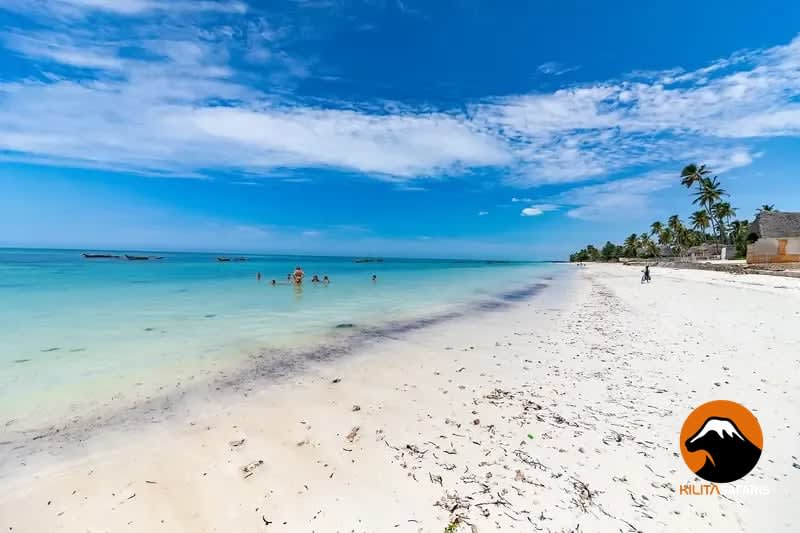
- Beach extension: Zanzibar beach holidays pair perfectly after dusty bush days
Related Guides on Kilita Safaris
- Browse Tanzania safari packages
- Great Migration guide
- How to book your safari
- Safari packing list
- When to visit Tanzania
Trusted External Resources
- Tanzania National Parks Authority (TANAPA) — official park fees, rules and conservation updates
- Tanzania Tourist Board — national travel advisories and destination information
- UNESCO Serengeti World Heritage listing — Serengeti-Ngorongoro ecosystem significance
- WWF Serengeti ecosystem overview — wildlife ecology and migration science
- CDC travel health guidance for Tanzania
Frequently Asked Questions
How difficult is climbing Kilimanjaro for beginners?
Kilimanjaro requires strong fitness but no technical climbing skills. Beginners succeed most often on 7–8 day routes with gradual acclimatization. Train with hill walks and stair climbing for two months before departure. For personalised advice, contact Kilita Safaris — we respond within 24 hours with itinerary options matched to your travel month and group size.
What is the best route for first-time trekkers?
Lemosho 8-day and Machame 7-day routes offer excellent scenery and acclimatization. Avoid 5-day Marangu unless you accept lower summit odds. For personalised advice, contact Kilita Safaris — we respond within 24 hours with itinerary options matched to your travel month and group size.
Do I need to climb Mount Meru before Kilimanjaro?
Not required, but highly recommended. Meru's 3-day trek pre-acclimatizes your body and dramatically improves Kilimanjaro summit chances. For personalised advice, contact Kilita Safaris — we respond within 24 hours with itinerary options matched to your travel month and group size.
What gear is provided vs what should I bring?
Operators provide tents, meals, cooking equipment and porters. You bring personal clothing layers, broken-in boots, headlamp, water bottles and daypack. Rental gear available in Moshi. For personalised advice, contact Kilita Safaris — we respond within 24 hours with itinerary options matched to your travel month and group size.
When is the best season to climb?
January–March and June–October offer driest conditions. November–December short rains are manageable. April–May long rains are least popular. For personalised advice, contact Kilita Safaris — we respond within 24 hours with itinerary options matched to your travel month and group size.
Plan Your Trip with Kilita Safaris
Ready to turn research into a real itinerary? Kilita Safaris is a licensed Tanzanian operator based in Moshi and Arusha with guides who know every sector discussed in this kilimanjaro route comparison: machame vs marangu vs lemosho (2026 & 2027) guide. We build custom routes — not catalogue tours — with transparent pricing and 24/7 support from first enquiry to airport departure.
Next step: Explore our safari packages or request a free, no-obligation travel proposal tailored to your dates, budget and interests.