Serengeti National Park
Serengeti National Park-Home of Big 5
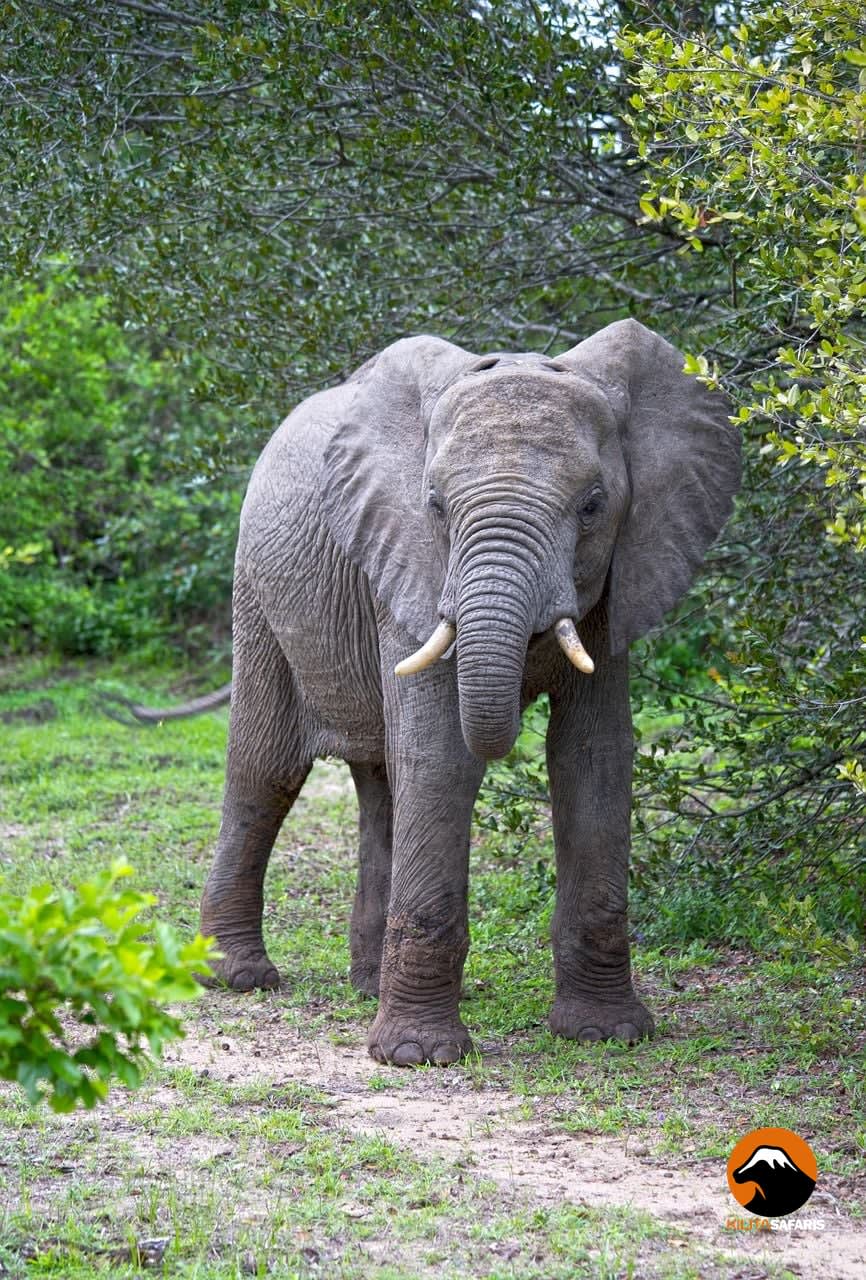
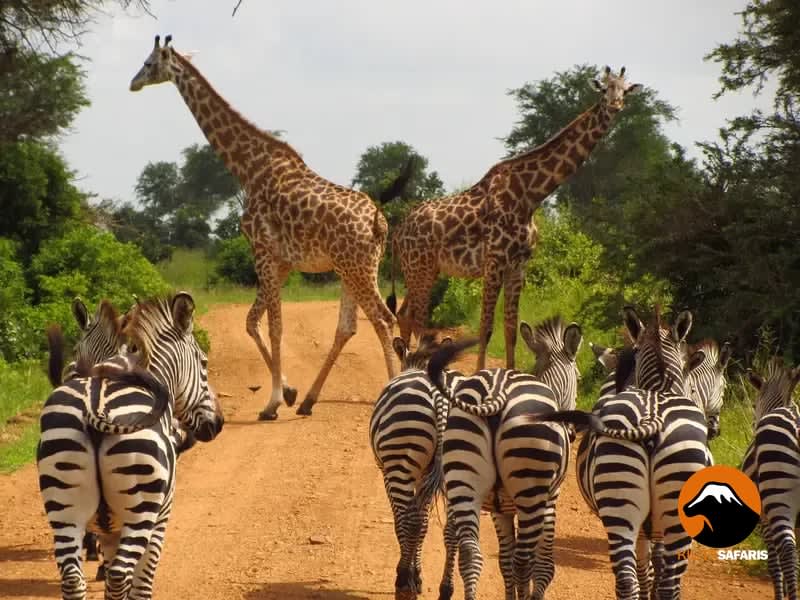
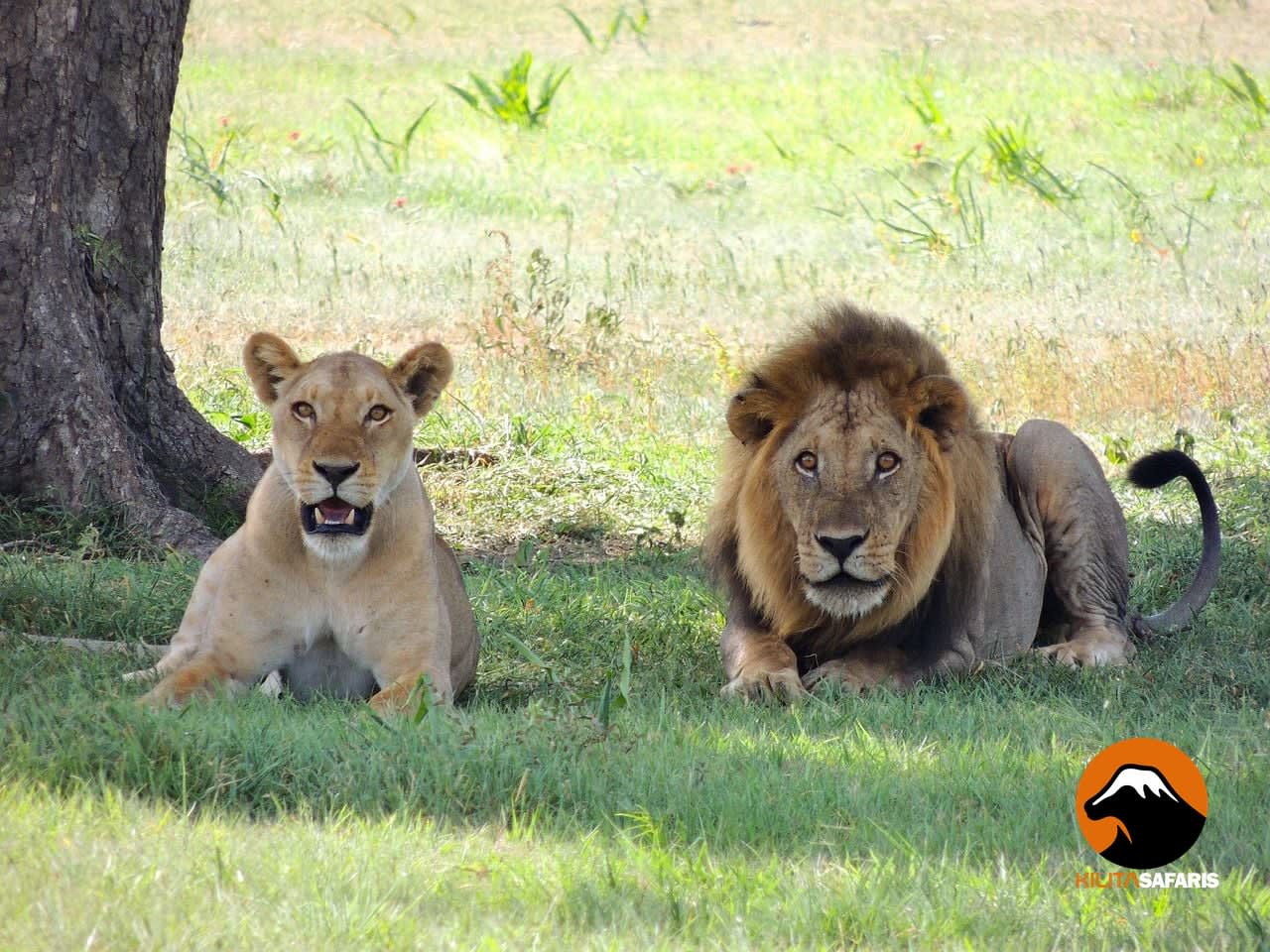
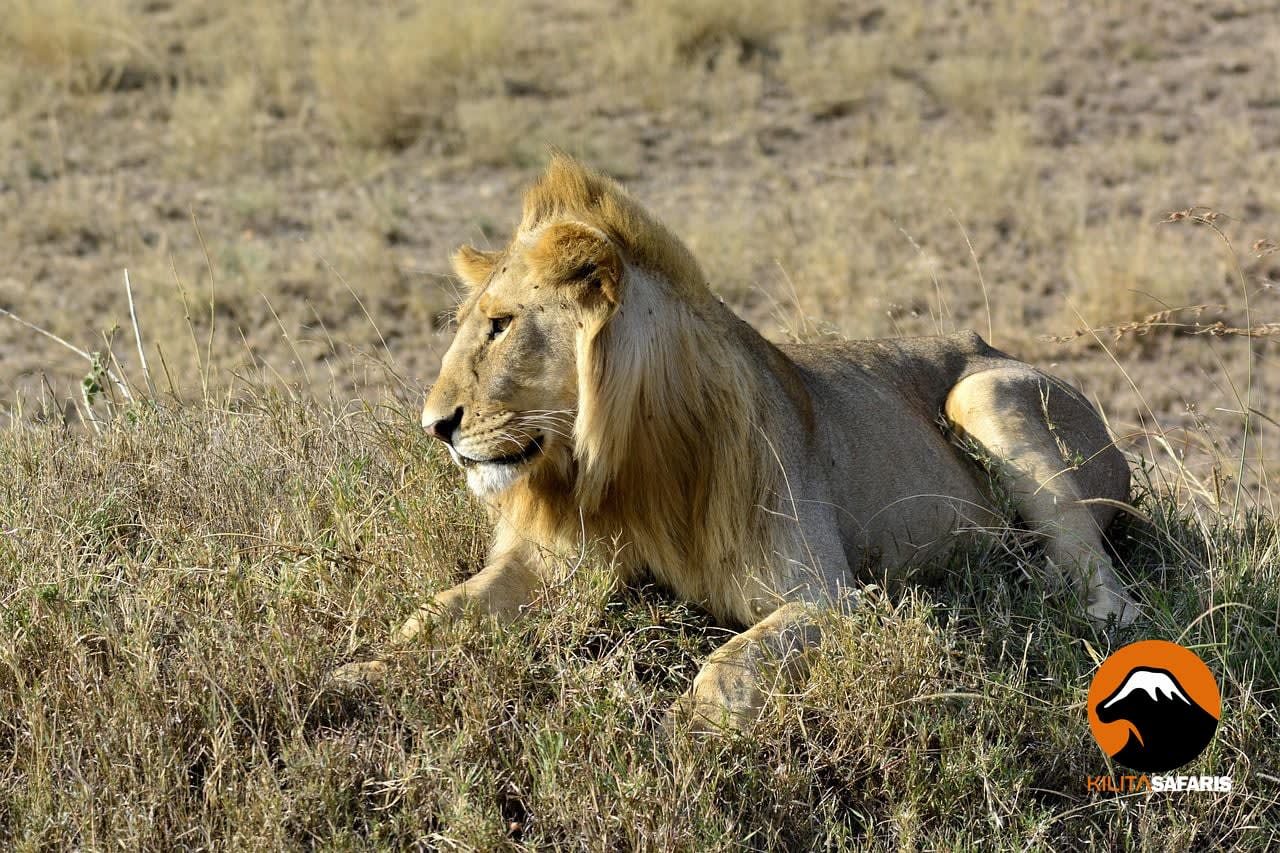
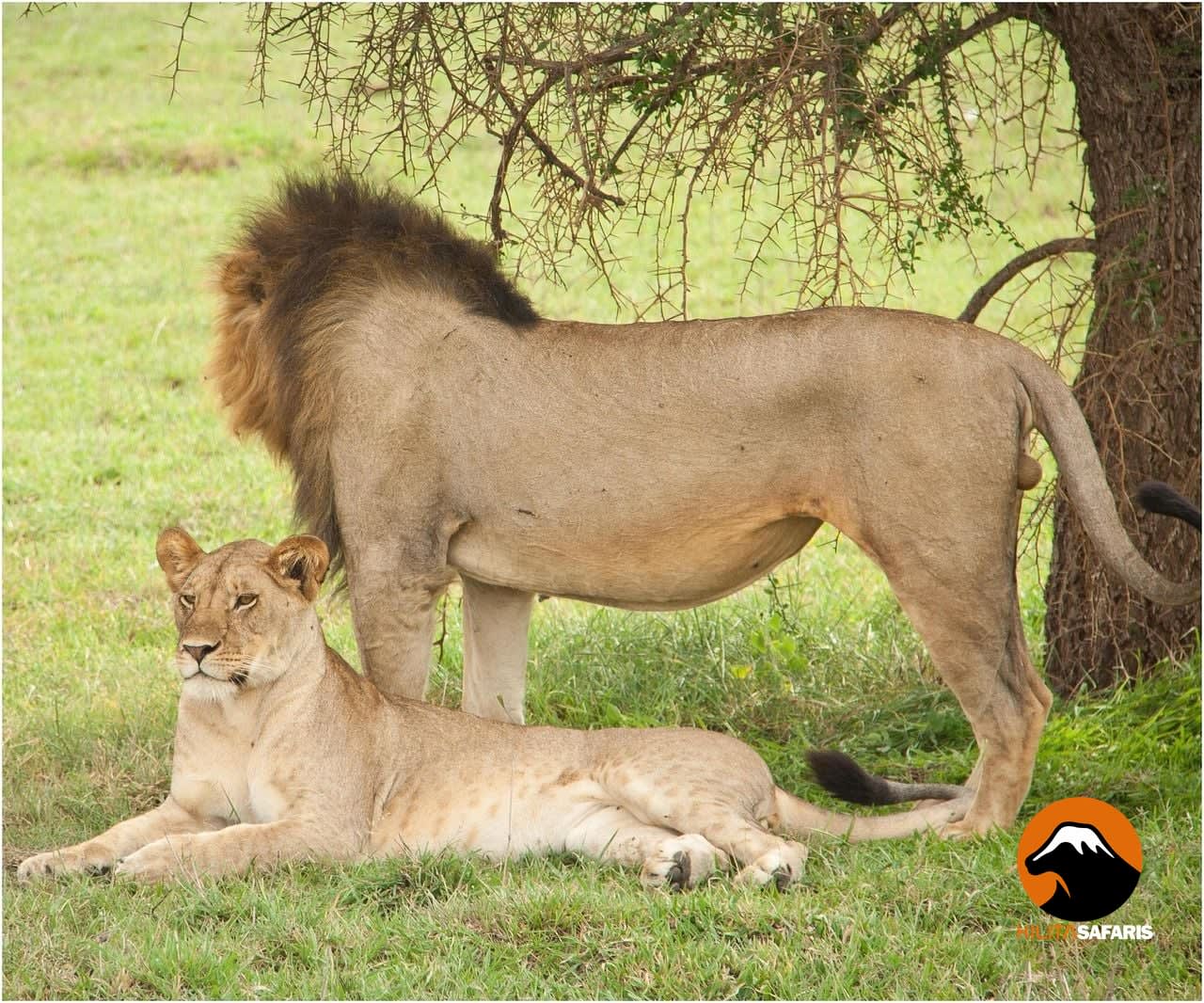
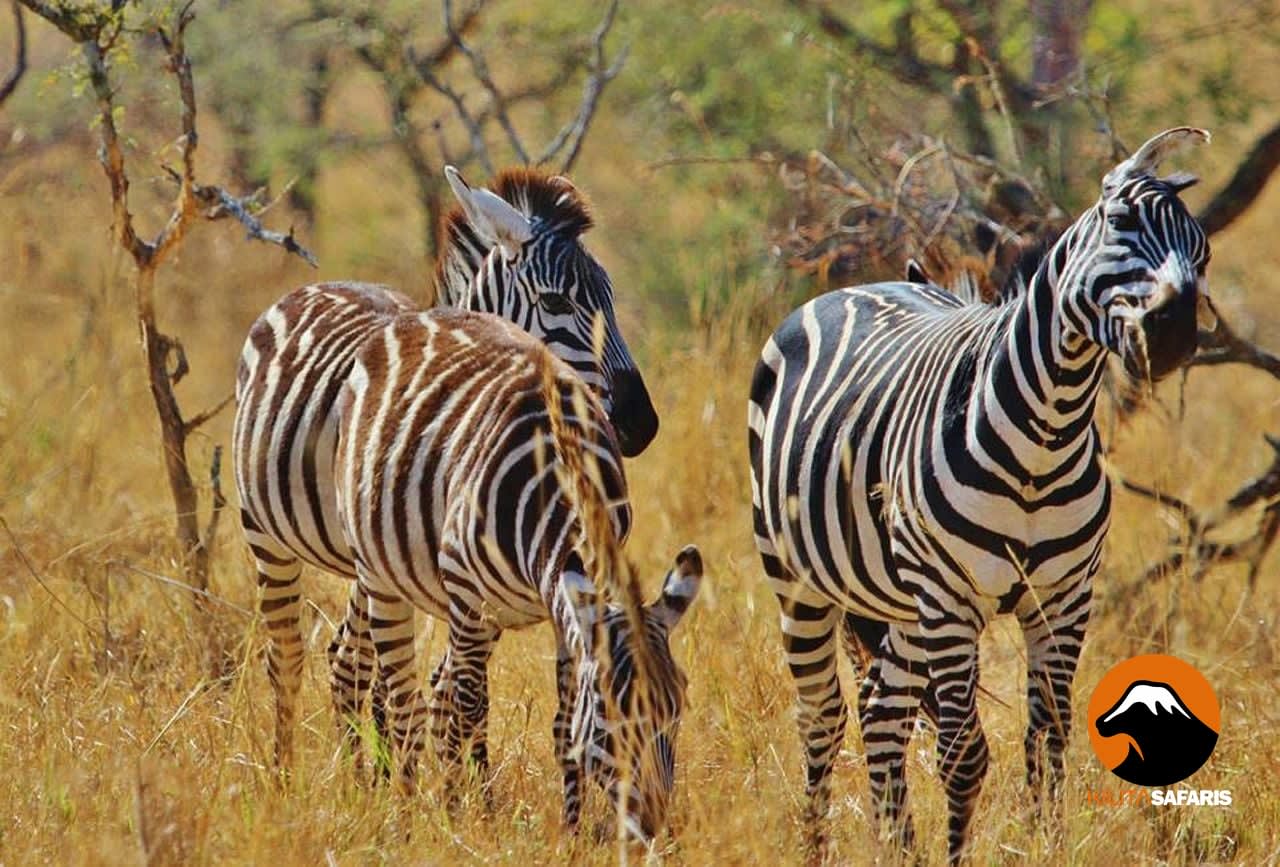
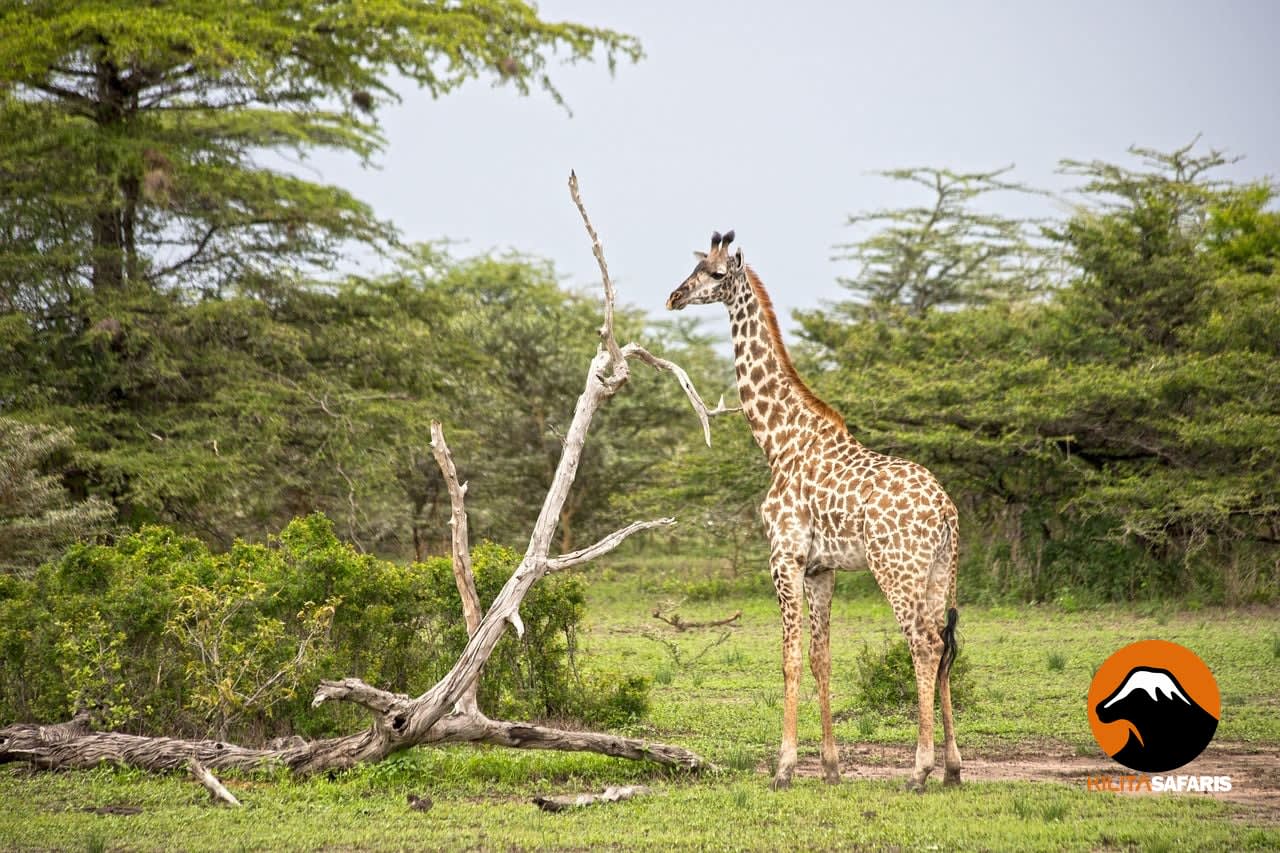
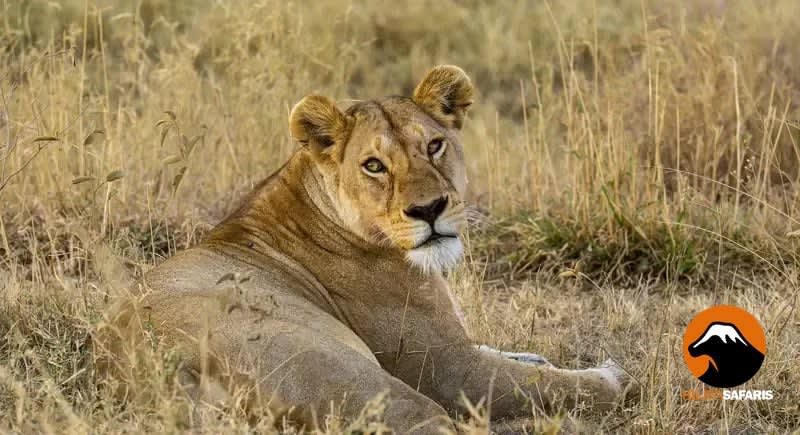
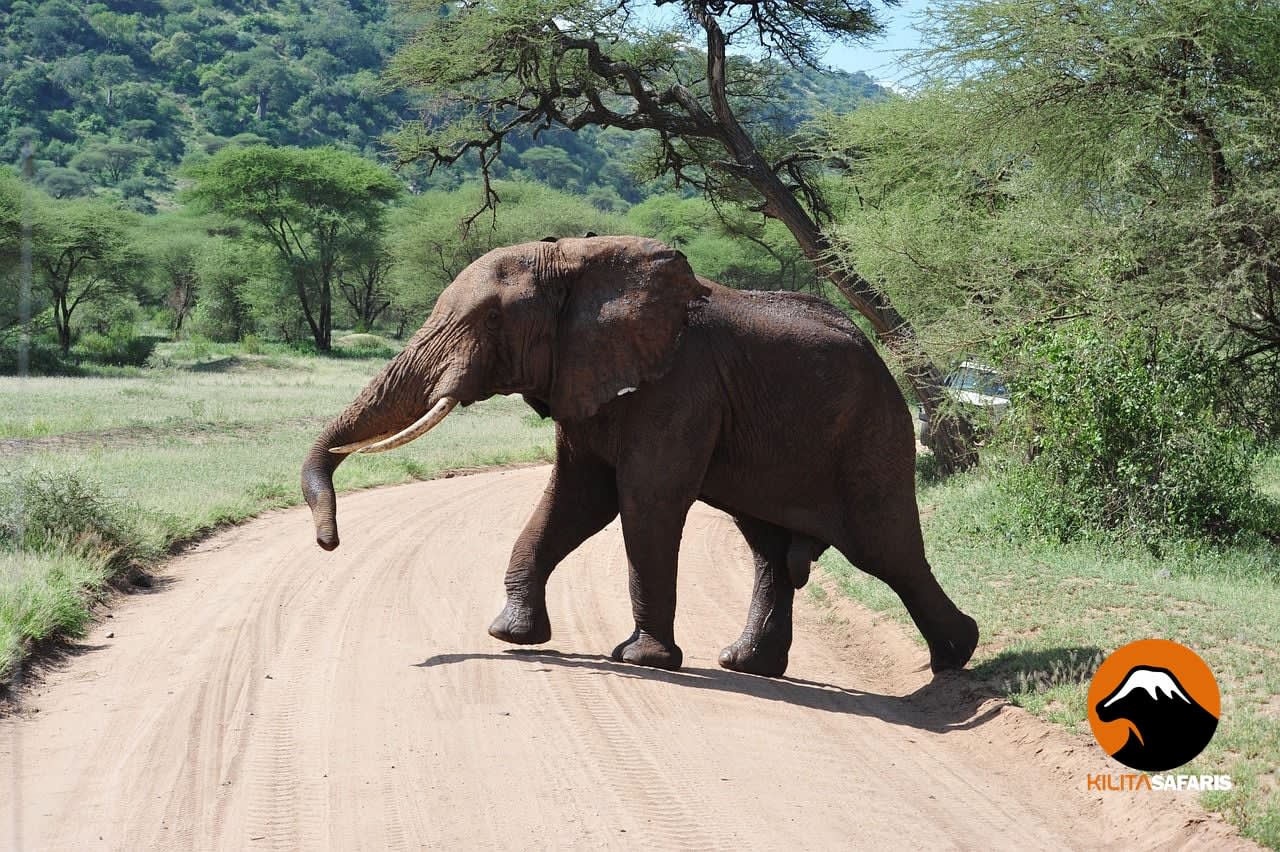
Serengeti National Park is located in northern Tanzania and is world-famous for its incredible wildlife, endless plains, and the spectacular Great Wildebeest Migration. The Serengeti covers 14,763 km² (5,700 sq miles), stretching north toward Kenya and west toward Lake Victoria. It is home to the highest concentration of large mammals on Earth, including over 2,500 lions — the largest lion population found anywhere in the world. The park also boasts 518+ bird species, including Eurasian migratory birds that visit between October and April.
Accommodation
The Serengeti Ecosystem offers a wide range of accommodation options, from luxury tented camps and mid-range lodges to budget-friendly campsites and mobile migration camps that move with the herds.
Distance
Serengeti lies about 335 km (208 miles) from Arusha. Although the distance may seem short, the drive is long due to the condition of the roads. For travelers driving into the park, it is highly recommended to stop along the way. If you plan to visit Ngorongoro Crater, the best option is to reach the crater rim the afternoon before and spend the full next day exploring inside the Crater.
Best Time to Visit
The best time to see the wildebeest migration within the Serengeti–Mara ecosystem is December to July. For the best predator action, especially lions, cheetahs, and leopards, the ideal months are June to October.
Recommended Number of Days
Because of how vast the Serengeti is and the incredible amount of wildlife to see, a minimum of 3 to 4 days is recommended. For photography enthusiasts, staying longer increases your chances of capturing extraordinary moments — from dramatic hunts to golden-hour wildlife portraits.