Ngorongoro Crater
Ngorongoro Crater
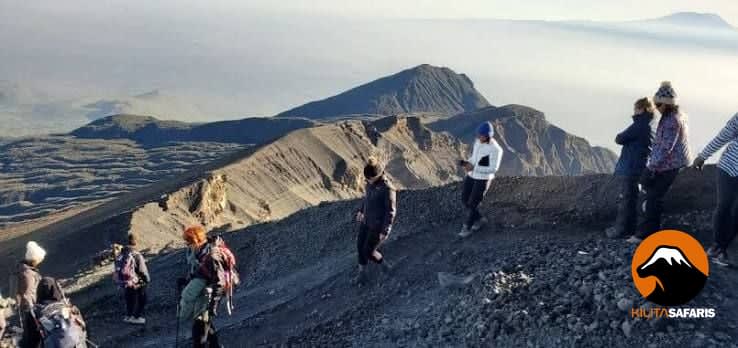
Ngorongoro Crater is one of Africa’s most remarkable wildlife destinations and a UNESCO World Heritage Site. Located in northern Tanzania, the crater is the world’s largest intact volcanic caldera, offering breathtaking scenery and incredible wildlife viewing throughout the year. Formed around 2–3 million years ago, the Ngorongoro Crater covers about 260 km² (100 sq miles) and rises over 600 meters (1,970 ft) from the crater floor to the rim. This natural enclosure supports one of the densest wildlife populations in Africa, making it one of the best places to spot the Big 5 in a single day.
Wildlife
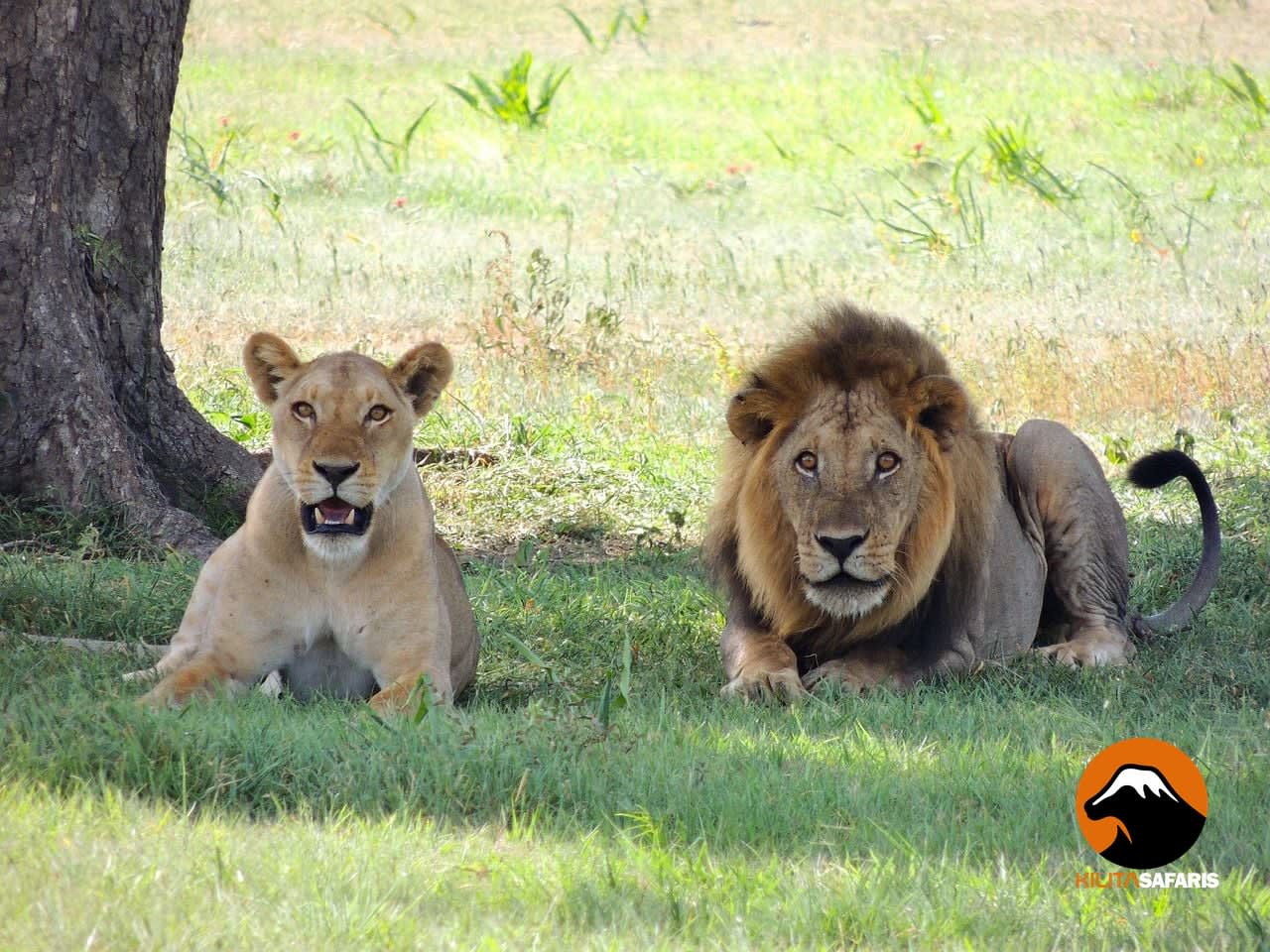
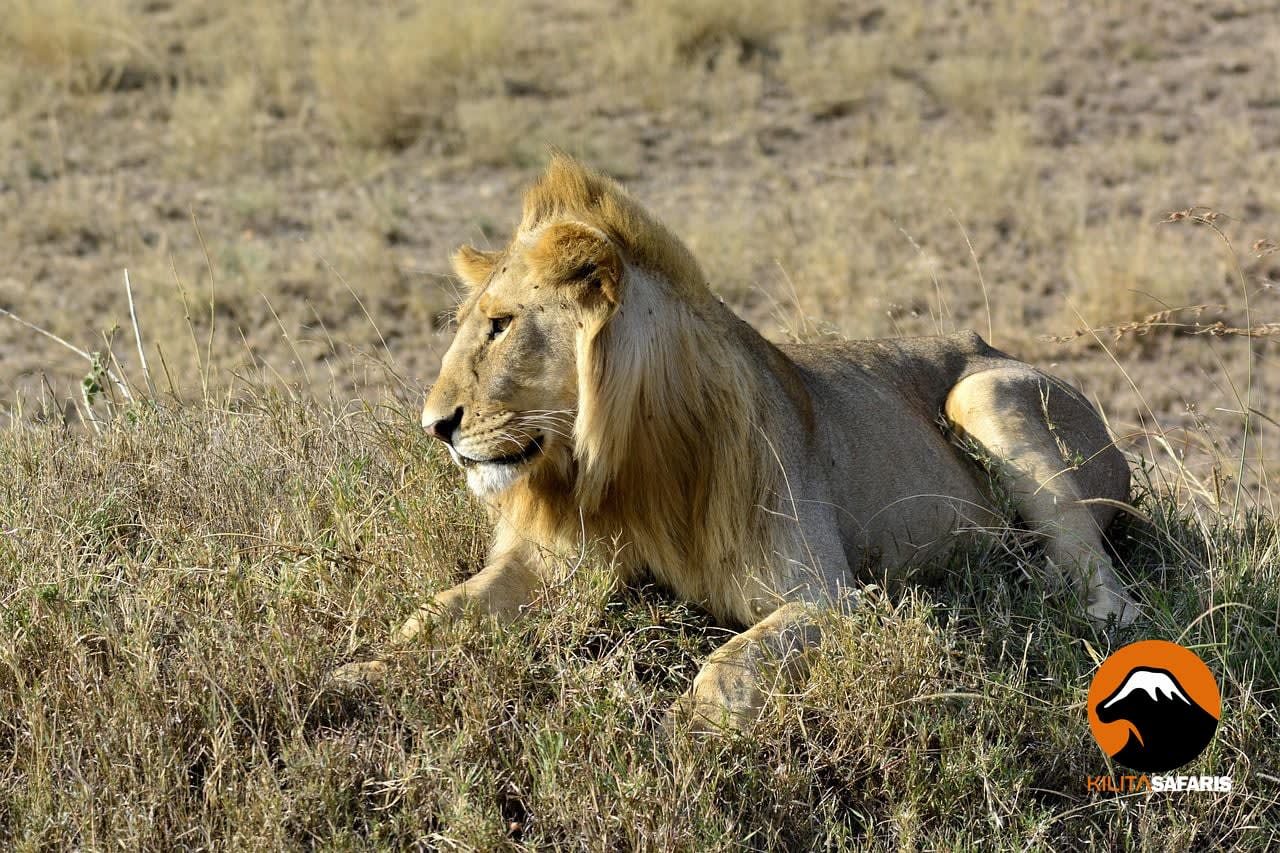
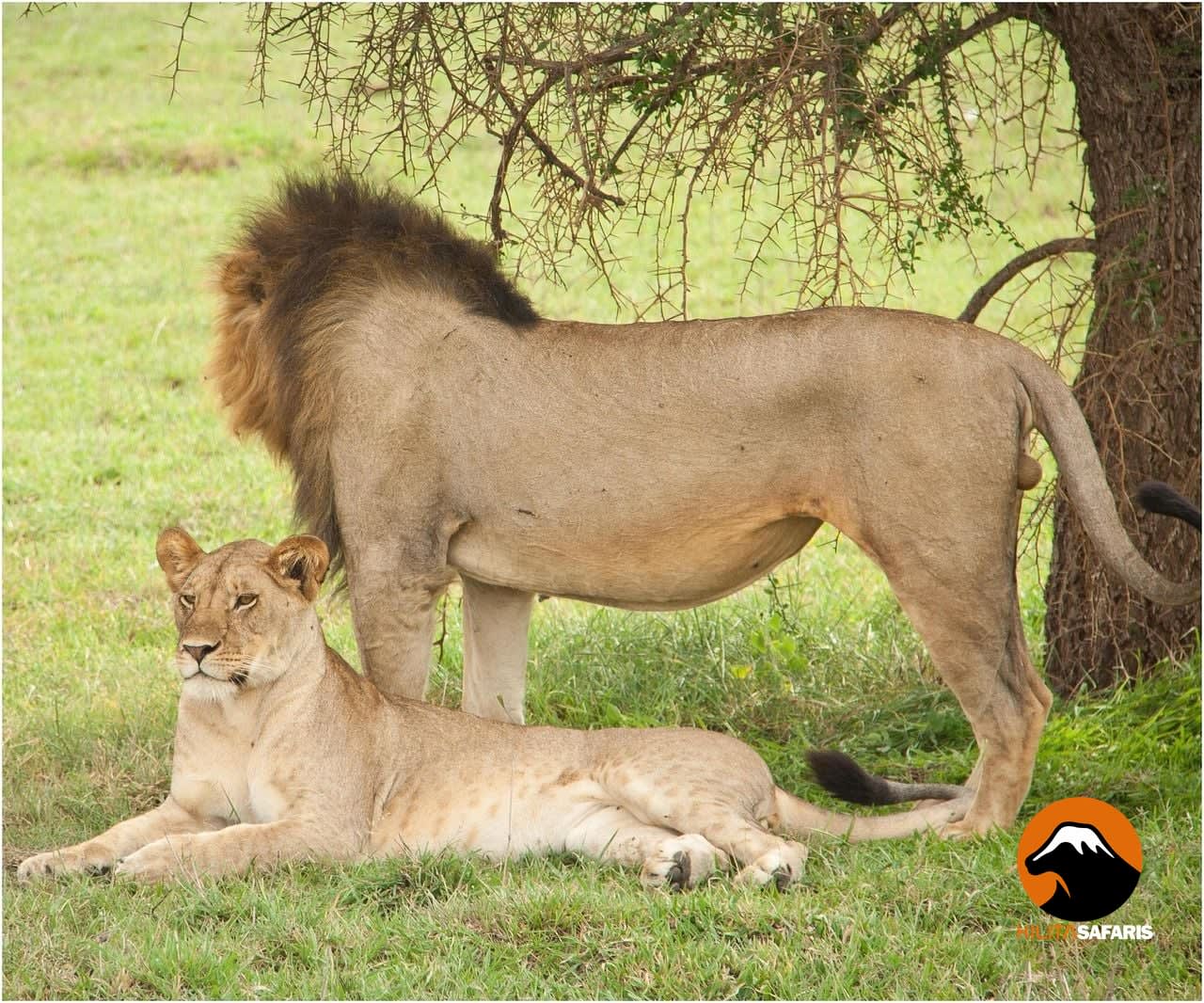
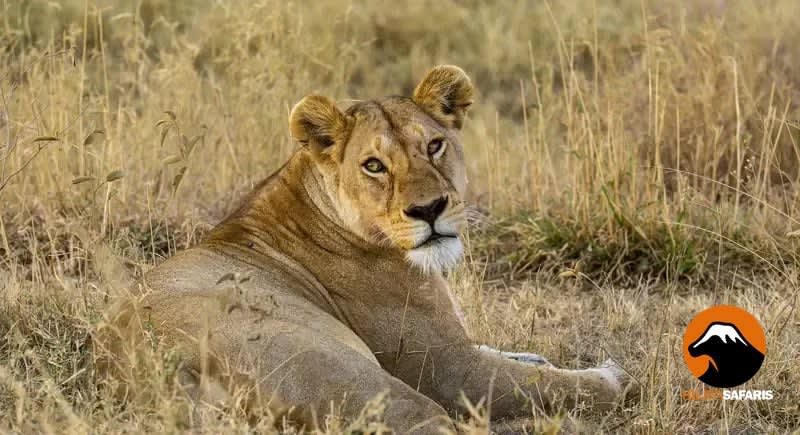
- Lions
- Leopards
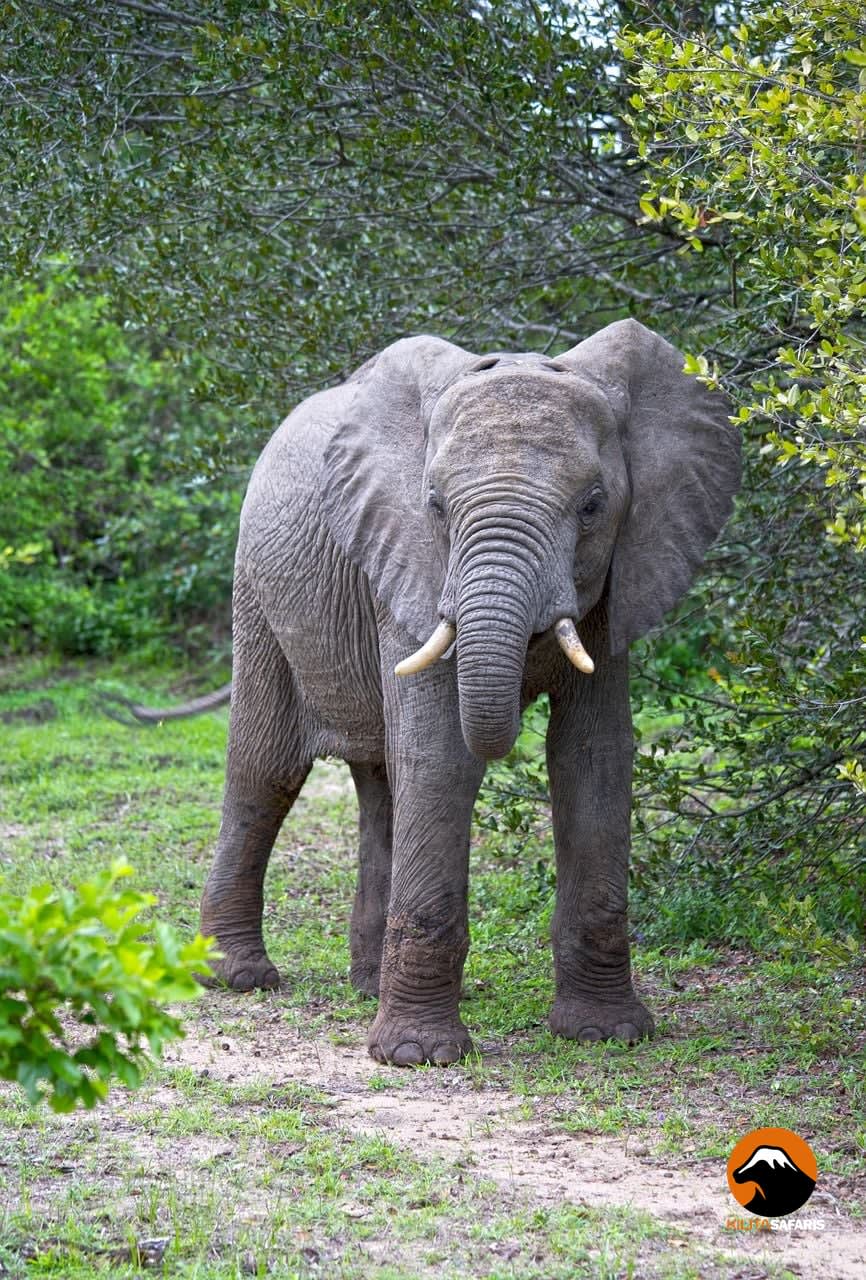
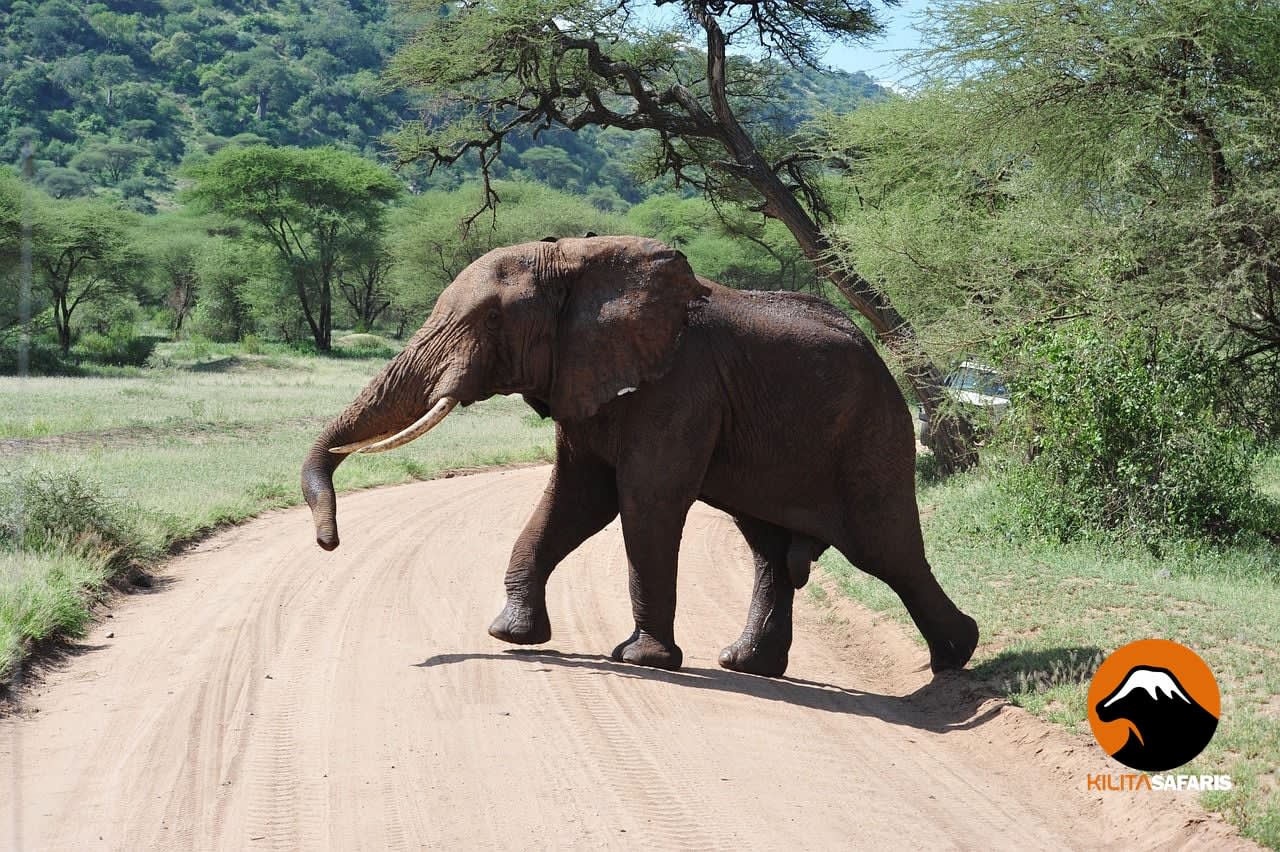
- Elephants
- Buffalos
- Rhinos one of the best places in Tanzania to see black rhinos
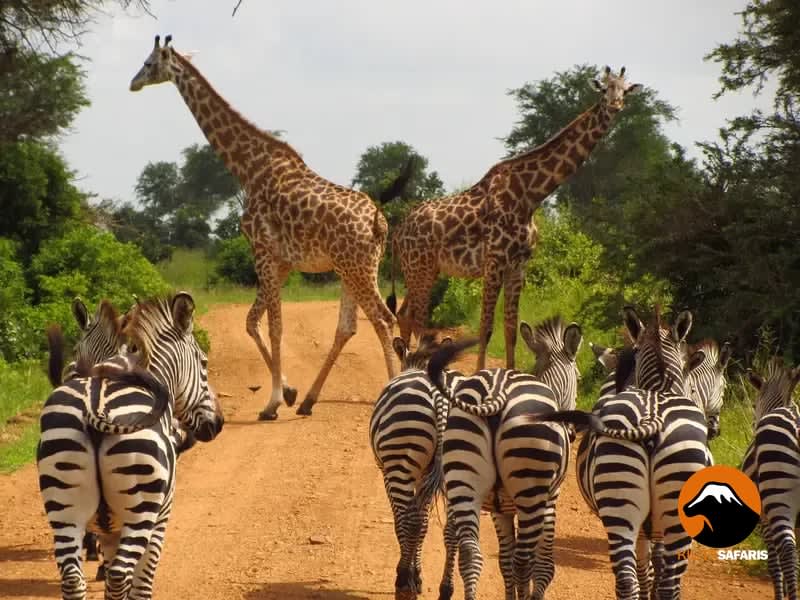
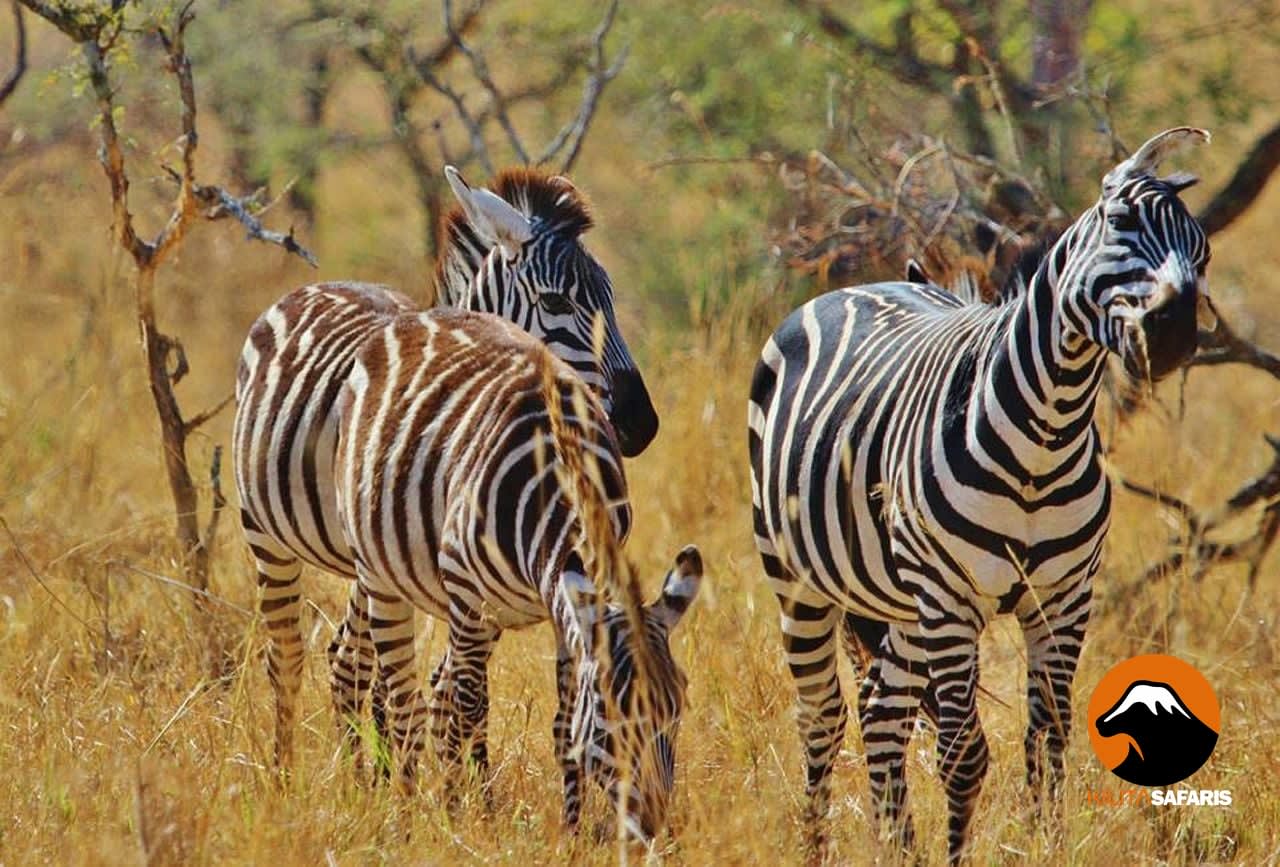
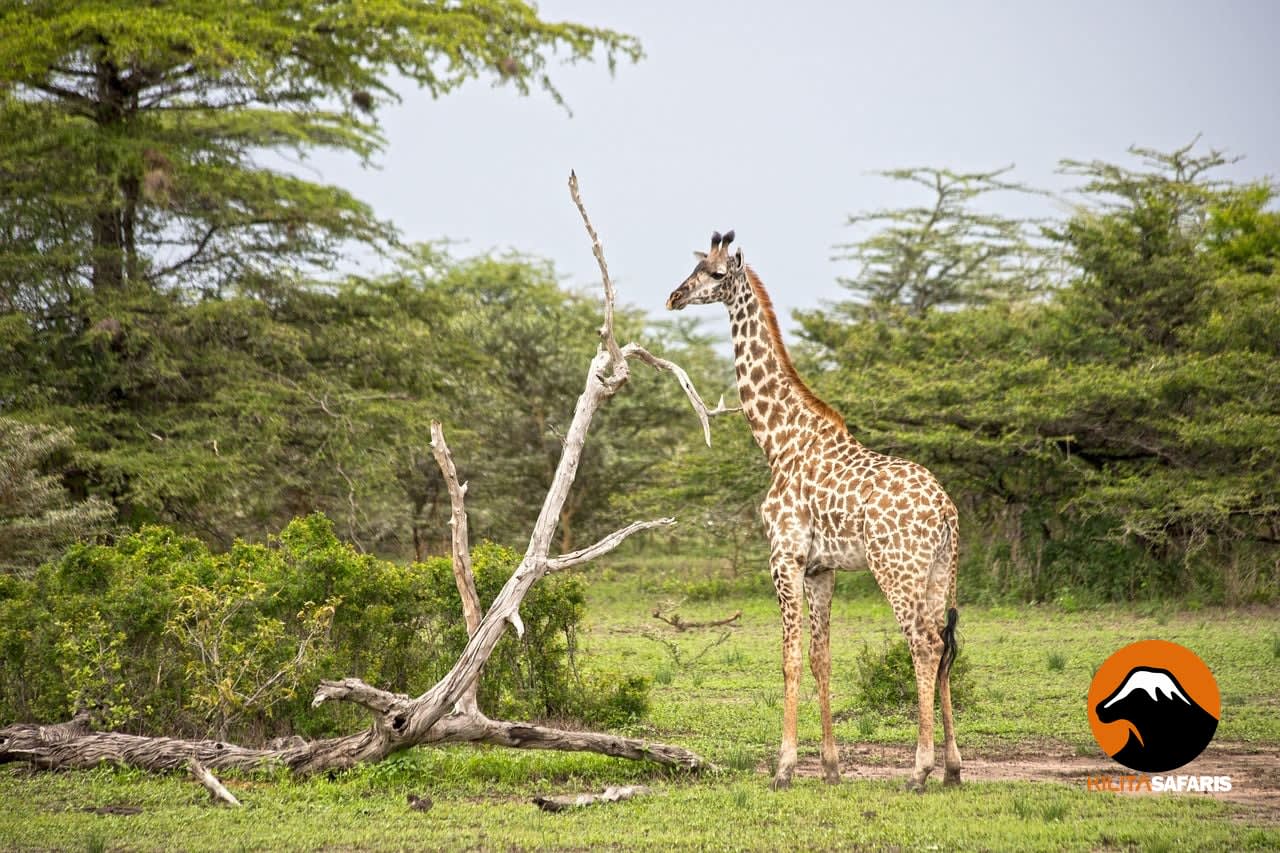
- Hippos, zebras, hyenas, wildebeest, and many other species
Accommodation
There are many lodges and tented camps located along the crater rim and within the Ngorongoro Conservation Area (NCA). Visitors can choose from luxury lodges with stunning views, comfortable mid-range options, or more affordable campsites.
Distance
Ngorongoro Crater sits roughly 175 km (110 miles) from Arusha. The drive takes around 3.5–4 hours, with scenic views along the way through local villages and highland landscapes. The crater is also conveniently located on the route to Serengeti, making it ideal for multi-day safari itineraries.
Recommended Number of Days
A visit inside the crater is typically a full-day safari, which is enough to explore the main areas and spot a wide variety of animals. For travellers with more time, spending 1–2 nights in the NCA allows for cultural visits, walks, and exploration of nearby attractions like Empakaai Crater and Maasai villages.