Secret tracks only local guides know
Why Main Roads Fill Up — and Local Guides Leave Them
Seronera's central loop, the Naabi Hill gate approach and the paved tracks near Seronera Wildlife Lodge see dozens of vehicles before 9am in peak season. Licensed guides who grew up herding cattle across these same plains remember footpaths, dry-season shortcuts and kopje viewpoints that never appear on park maps sold to tourists.
These hidden safari routes in Tanzania are not illegal backcountry trails — they are legitimate tracks inside concessions, community lands and lesser-used park sectors that require local knowledge, radio coordination and seasonal judgement. A guide who spent fifteen seasons in the Western Corridor knows which Grumeti bend holds crocodiles at dawn without fifty Land Cruisers parked beside it.
At Kilita Safaris we routinely design itineraries that deliberately avoid the convoy mentality. When you request a custom quote, mention that you want off-main-road routing — our planners build that into your safari package from day one.
Western Corridor and Grumeti Backroads
The Grumeti River sector between June and July holds pre-Mara migration tension that rivals northern crossings with a fraction of the vehicle count. Local guides use riverine loops west of Kirawira that follow hippo paths through whistling thorn — tracks too narrow for large coach-style safari trucks.
Radio etiquette matters here: experienced drivers share herd coordinates but never crowd a sighting. The best operators rotate through three or four Grumeti viewpoints across a morning rather than planting at the single spot every online article mentions.
- Best months: May–July for Grumeti build-up; green season for empty roads
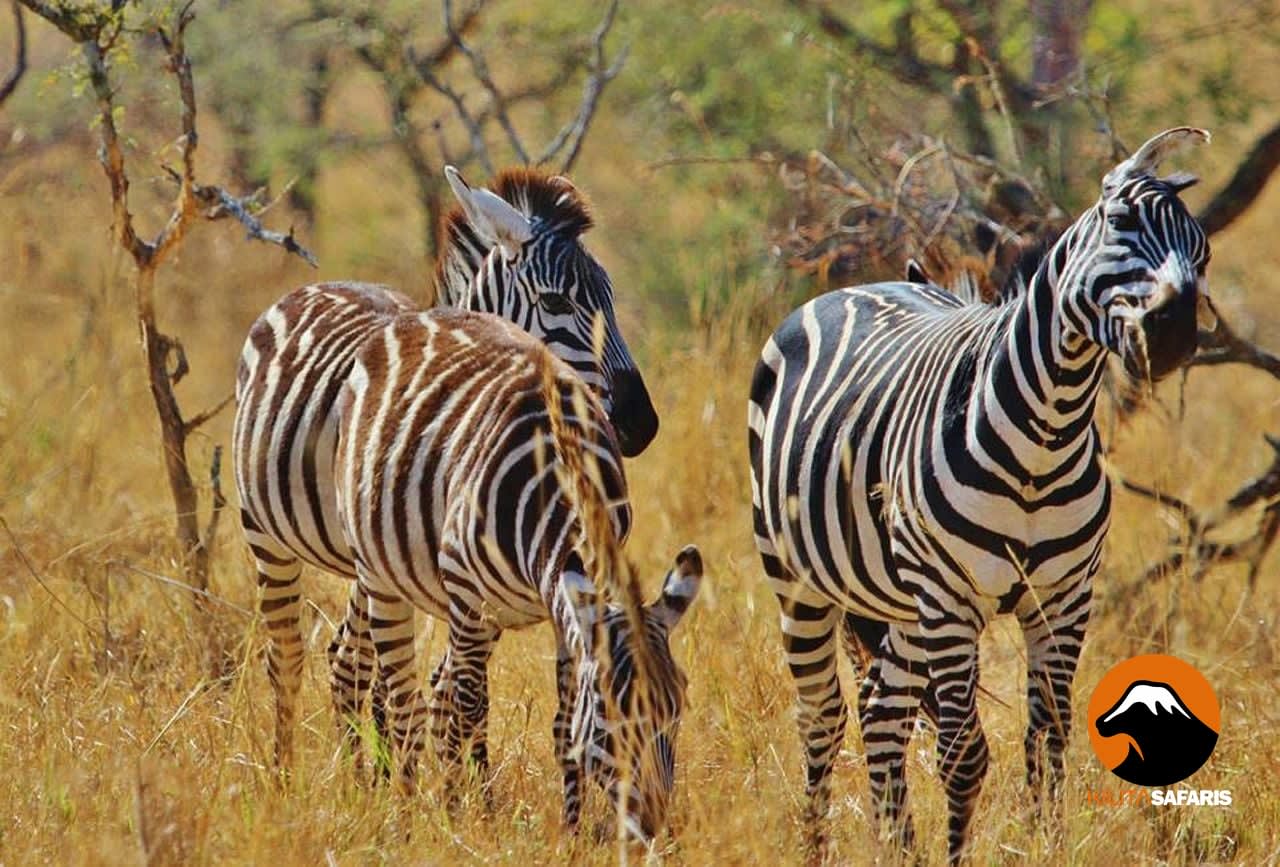
- Wildlife focus: Nile crocodile, lion prides near river bends, migrating zebra vanguard
- Access: Fly into Grumeti airstrip or drive from Mwanza via Ndabaka gate
- Lodge pairing: Combine with 4-day Serengeti safari for western sector depth
Ikoma Kopjes and Eastern Serengeti Granite Circuits
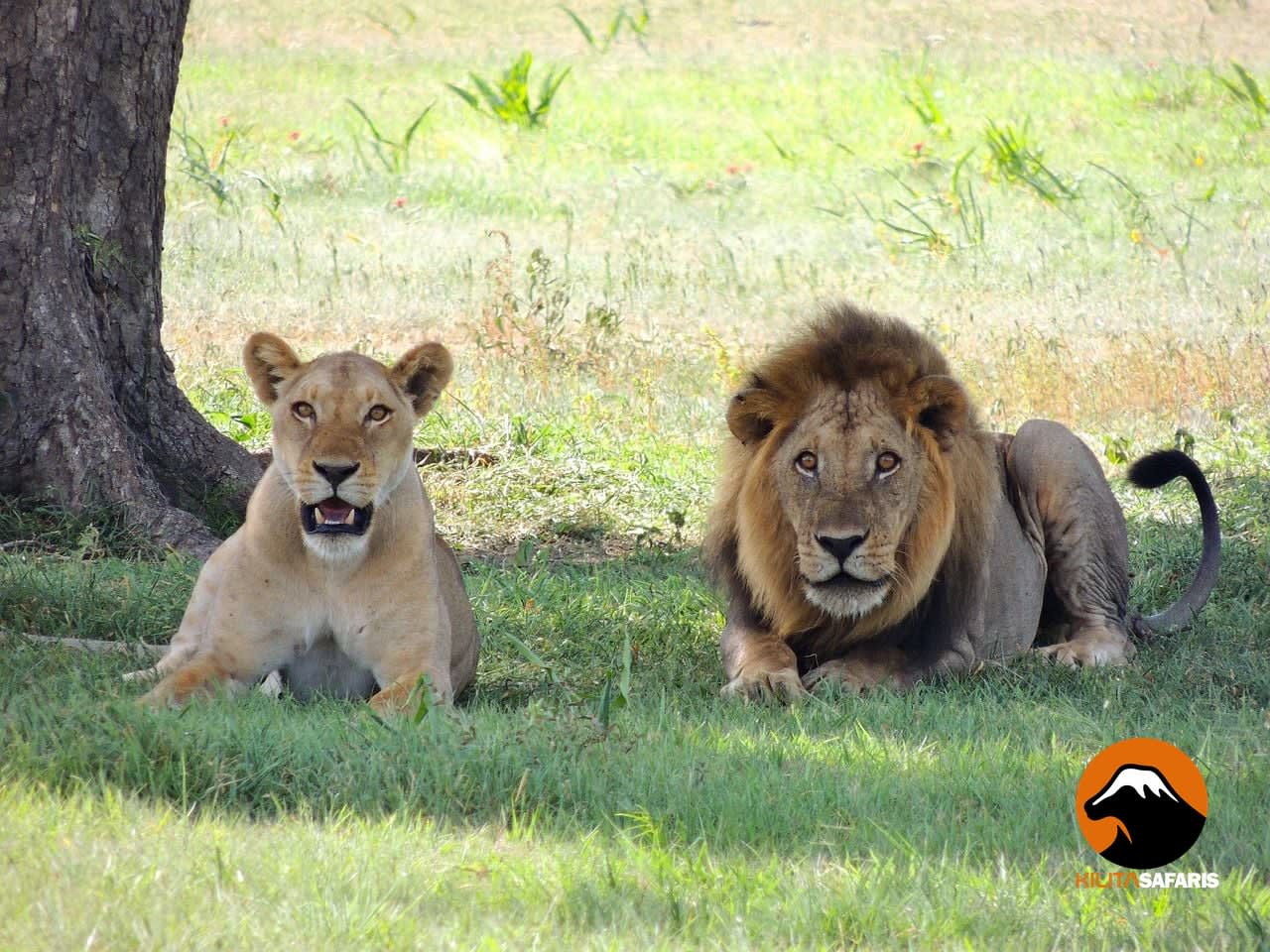
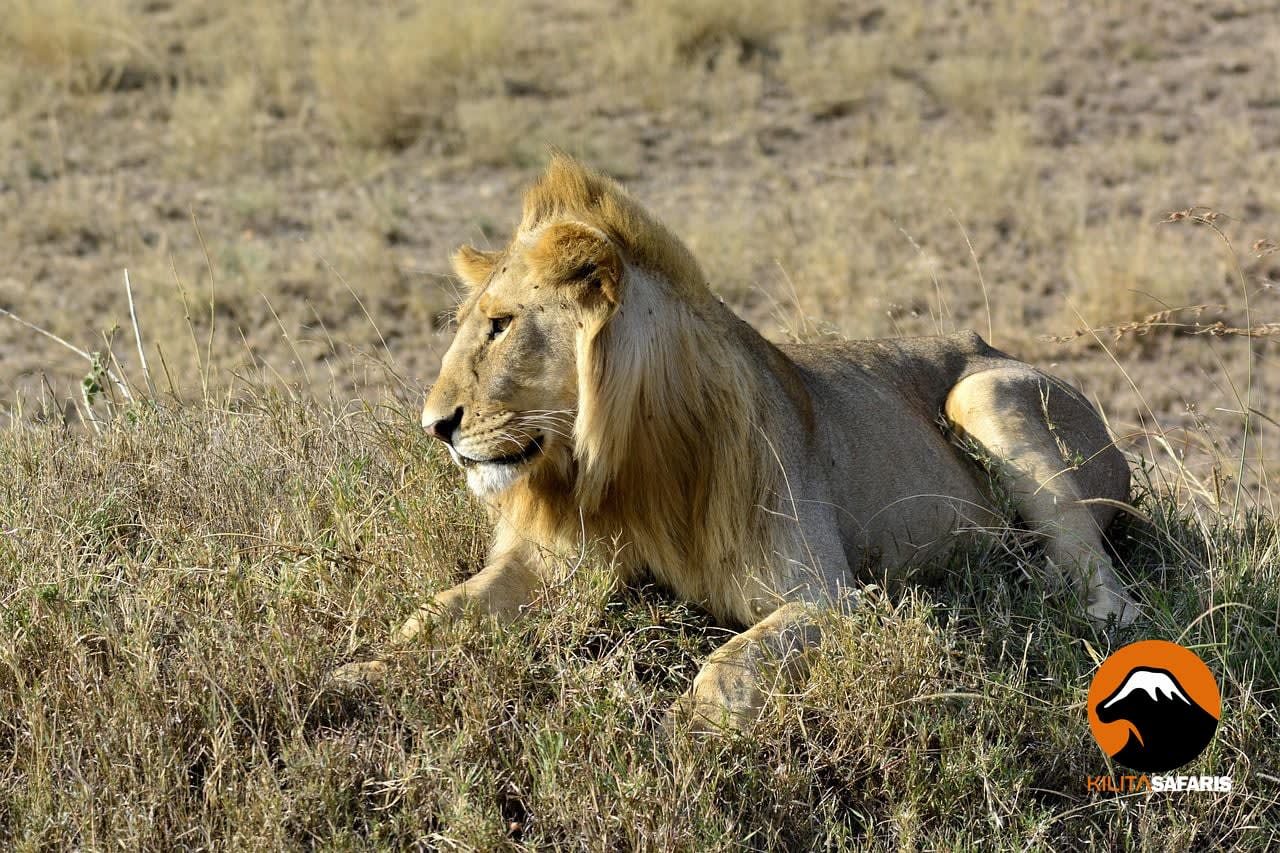
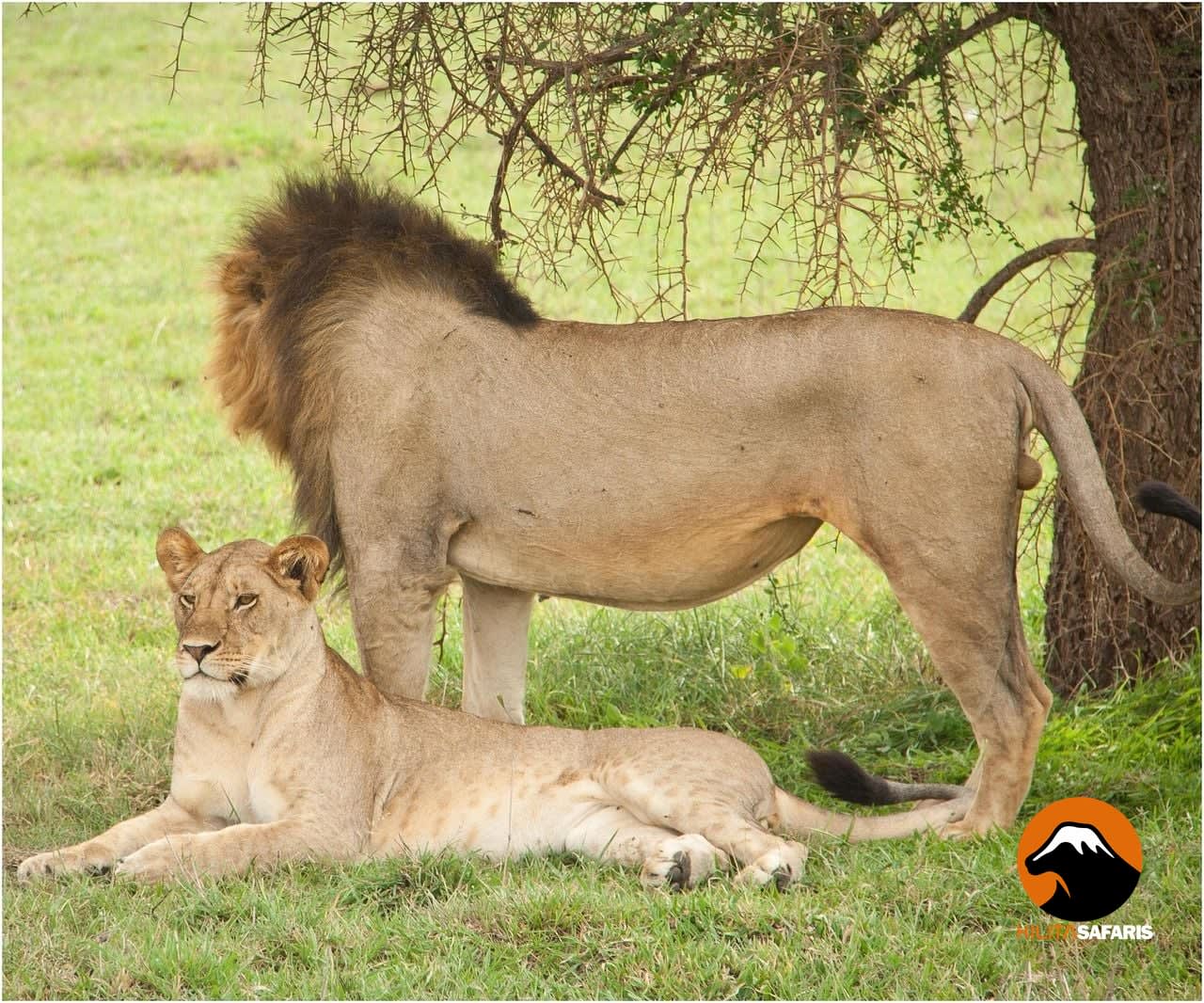
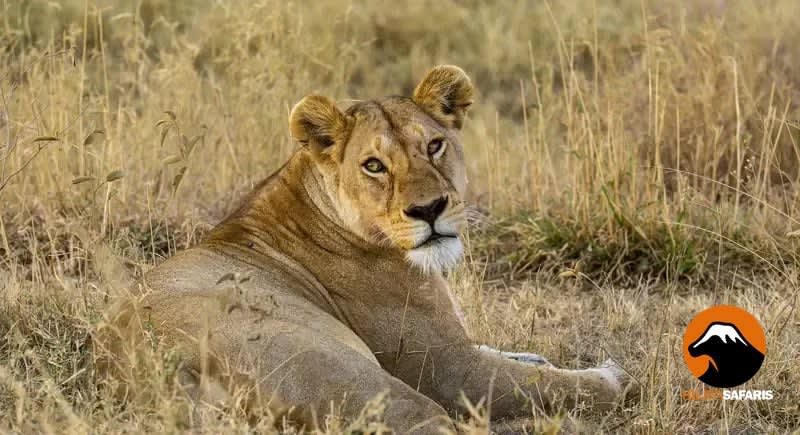
Granite outcrops east of Seronera create lion territory with commanding views across the plains. Tourist convoys cluster at Simba Kopje near the main road; guides in the know circle Ikoma and Gol Kopjes on weekday mornings when vehicle density drops below five.
These kopjes also shelter leopards in sausage tree thickets and provide raptor perches for martial eagles scanning for hares. Photographers benefit from elevated positions without the jostling common at roadside sightings.
Loliondo Conservancy and Community Corridors
Community land bordering the Serengeti allows flexible routing when park roads congest during migration peaks. Maasai pastoralists have grazed here for generations; their intelligence on herd movement often precedes official migration reports by days.
Conservancy fees support local communities directly — a model Tanzania Tourist Board promotes as sustainable tourism. Always travel with operators holding valid concession agreements; Tanzania National Parks Authority (TANAPA) regulates boundary crossings strictly.
Tarangire Silale Swamp and Southern Loops
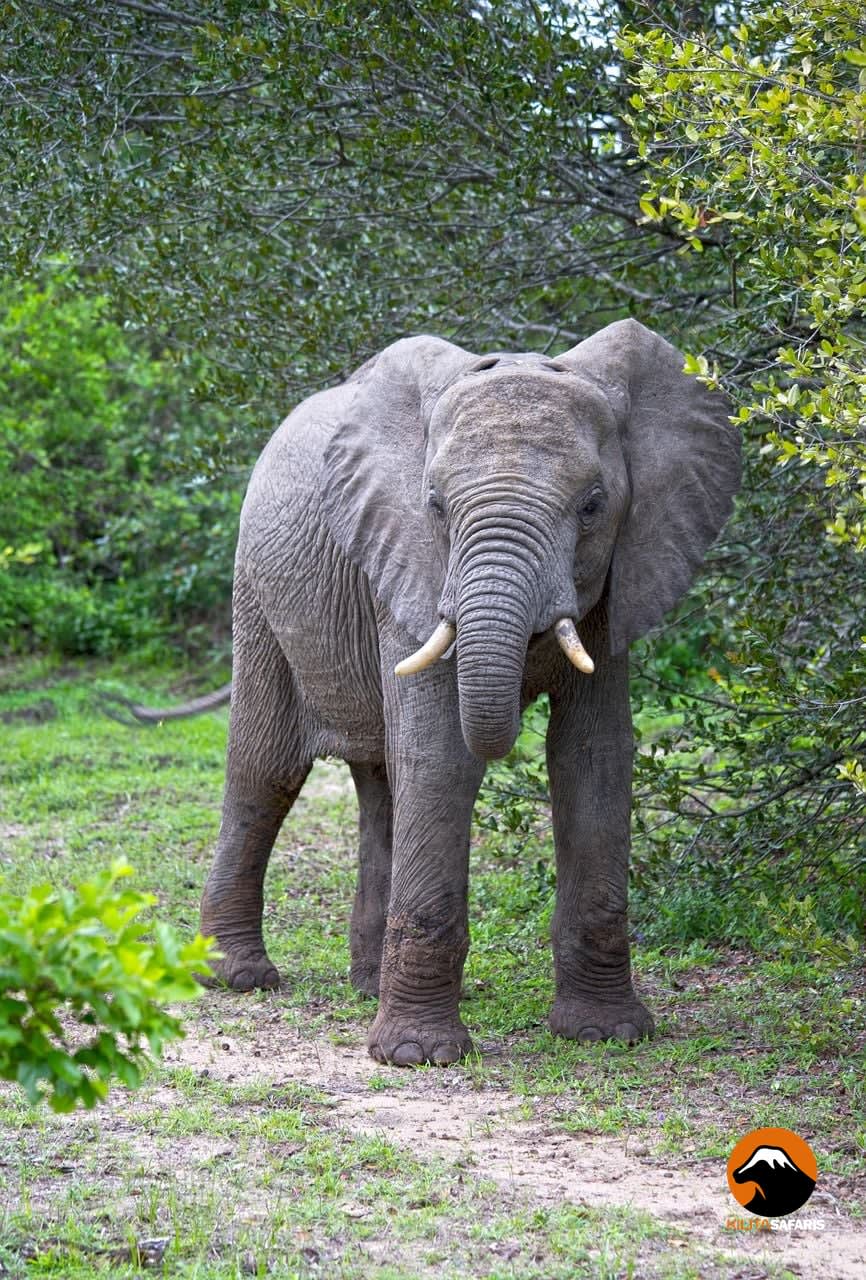
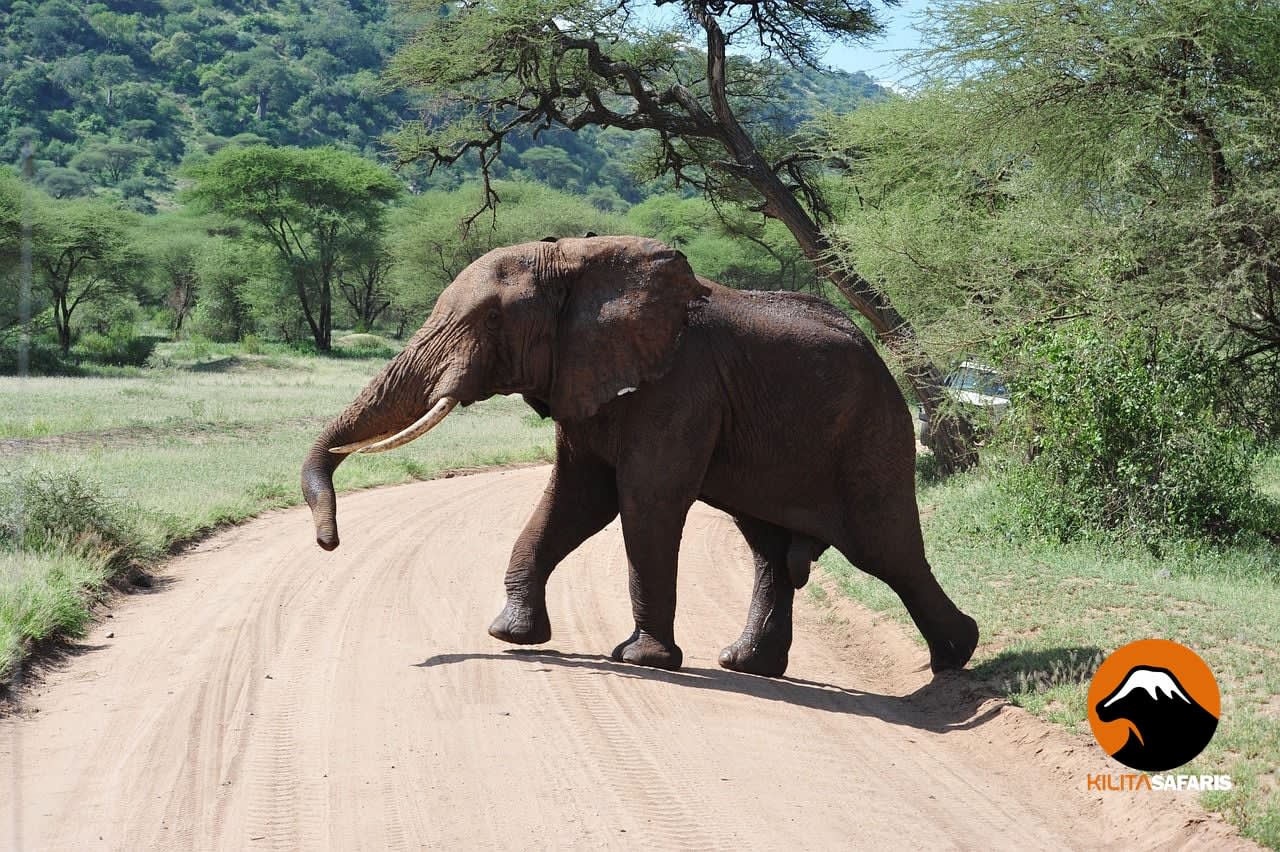
Tarangire's dry-season elephant congregations are legendary along the main river — but Silale Swamp loops to the south follow ancient elephant highways away from the gate road. Tarangire National Park rewards travellers who allow two nights and explore beyond the first twenty kilometres.
Baobab silhouettes, python sightings in sausage trees and buffalo at swamp edge make these loops favourite territory for repeat visitors who found the northern circuit too crowded.
Ruaha Sand Rivers and Southern Hidden Gems
For travellers willing to fly south, Ruaha's sand river detours along the Great Ruaha deliver predator action with visitor numbers a tenth of the Serengeti. Lion, leopard and wild dog hunt along dry riverbeds where elephant dig for water.
Pair Ruaha with other off-the-beaten-path parks for a second-trip itinerary that feels entirely different from your first northern circuit experience.
25 Routes at a Glance — Quick Reference Table
| Route / Sector | Park | Best Season | Crowd Level |
|---|---|---|---|
| Grumeti riverine loops | Serengeti West | May–Jul | Low–Medium |
| Ikoma/Gol kopje circuits | Serengeti Central-East | Year-round | Low weekdays |
| Loliondo conservancy tracks | Serengeti border | Migration months | Low |
| Silale swamp loops | Tarangire | Jul–Oct dry | Low |
| Great Ruaha sand rivers | Ruaha | Jun–Nov | Very low |
Related Guides on Kilita Safaris
- Secret wildlife spots tourists miss
- Off-the-beaten-path parks guide
- Northern vs southern Tanzania comparison
Trusted External Resources
- Tanzania National Parks Authority (TANAPA) — official park fees, rules and conservation updates
- Tanzania Tourist Board — national travel advisories and destination information
- UNESCO Serengeti World Heritage listing — Serengeti-Ngorongoro ecosystem significance
- WWF Serengeti ecosystem overview — wildlife ecology and migration science
- CDC travel health guidance for Tanzania
Frequently Asked Questions
Do hidden routes require special permits?
Some routes cross community conservancy boundaries requiring separate fees paid by your operator. Tanzania National Parks Authority (TANAPA) park entry remains mandatory for all national park sectors. Your safari quote should itemise every levy — ask before paying deposits.
Are these routes safe for self-drive tourists?
Self-drive is legal in some parks but strongly discouraged for hidden routing. Corrugated tracks, seasonal mud and wildlife behaviour require professional guides. Licensed operators carry satellite communication and recovery equipment.
Which season has the quietest hidden routes?
November through May green season delivers the lowest vehicle density across all sectors. Migration spectacle peaks June–October but strategic routing still avoids convoys — see our month-by-month migration crowd guide.
Can I request specific hidden routes when booking?
Absolutely. Tell Kilita Safaris you want off-main-road routing, photographer pacing or maximum solitude. We assign guides with deep knowledge of your chosen sectors.
How many hidden routes fit in a 7-day safari?
A well-designed week covers 8–12 distinct sectors without repeating main highway loops — typically Tarangire, Ngorongoro and multi-sector Serengeti. See our 7-day first-timer itinerary as a starting template.
Plan Your Trip with Kilita Safaris
Ready to turn research into a real itinerary? Kilita Safaris is a licensed Tanzanian operator based in Moshi and Arusha with guides who know every sector discussed in this hidden safari routes guide. We build custom routes — not catalogue tours — with transparent pricing and 24/7 support from first enquiry to airport departure.
Next step: Explore our safari packages or request a free, no-obligation travel proposal tailored to your dates, budget and interests.
Seasonal Wildlife Calendar
January through March: wildebeest calving on southern Serengeti plains. June through October: dry-season viewing and Mara River crossings. November rains: green season value and birding peak. See month-by-month migration guide and when to visit Tanzania.
Ngorongoro Crater delivers year-round Big Five. Tarangire peaks dry season. Build buffer days — weather and wildlife are never fully predictable.
Expert Field Notes from Kilita Guides
- Dawn departures until 9am — peak predator activity
- Pop-top Land Cruiser with experienced local guide essential
- Minimum two nights per major park — never single-night hopscotch
- Pack layers for freezing dawn and hot midday
- Zanzibar extension perfect post-safari recovery