



How Difficult Is Mount Kilimanjaro?
Understanding the True Physical Challenges of Climbing Uhuru Peak
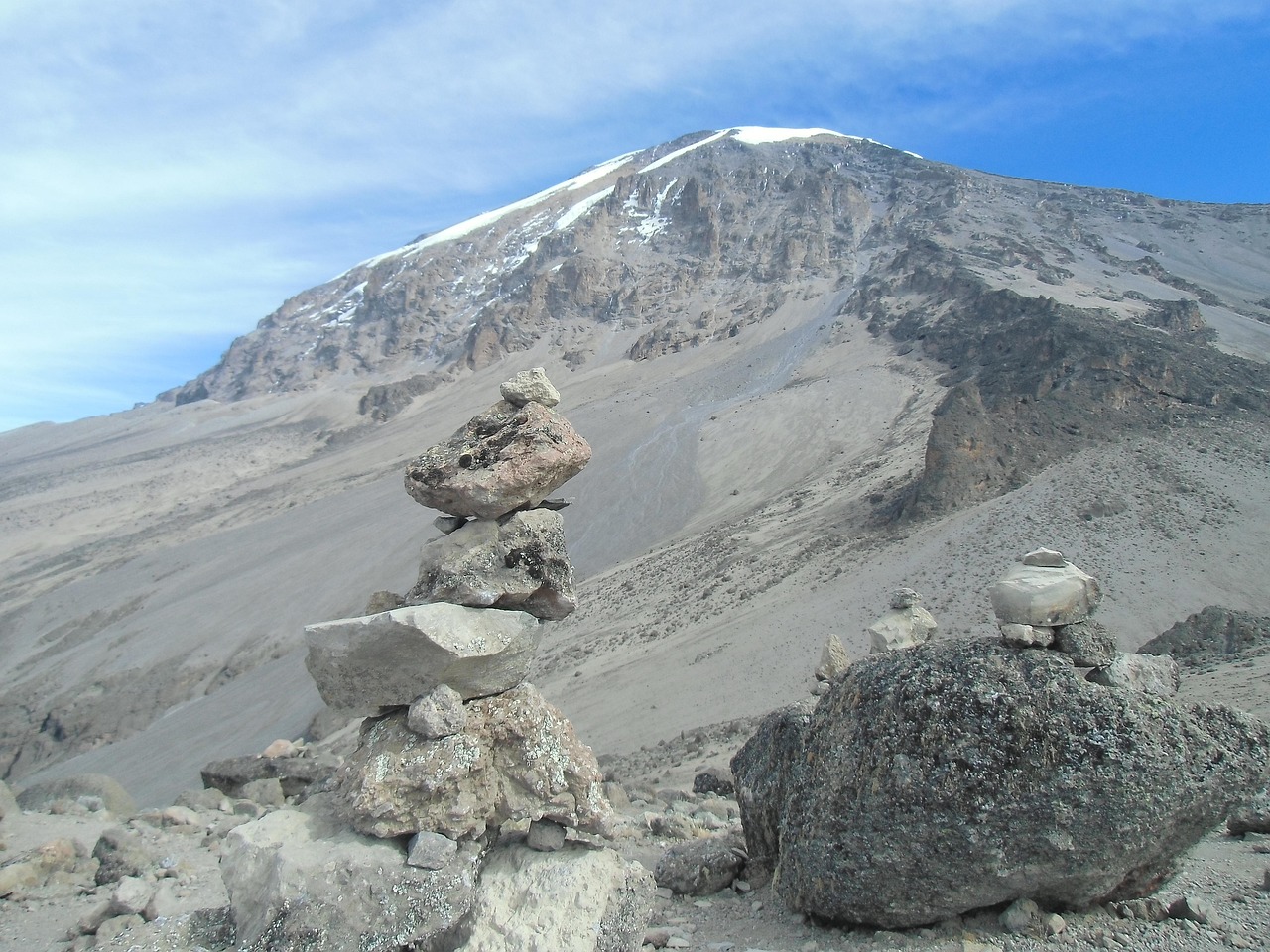
To prepare effectively, you must understand the four primary challenges that contribute to the overall difficulty of climbing Mount Kilimanjaro.
1. High Altitude (The Greatest Challenge)
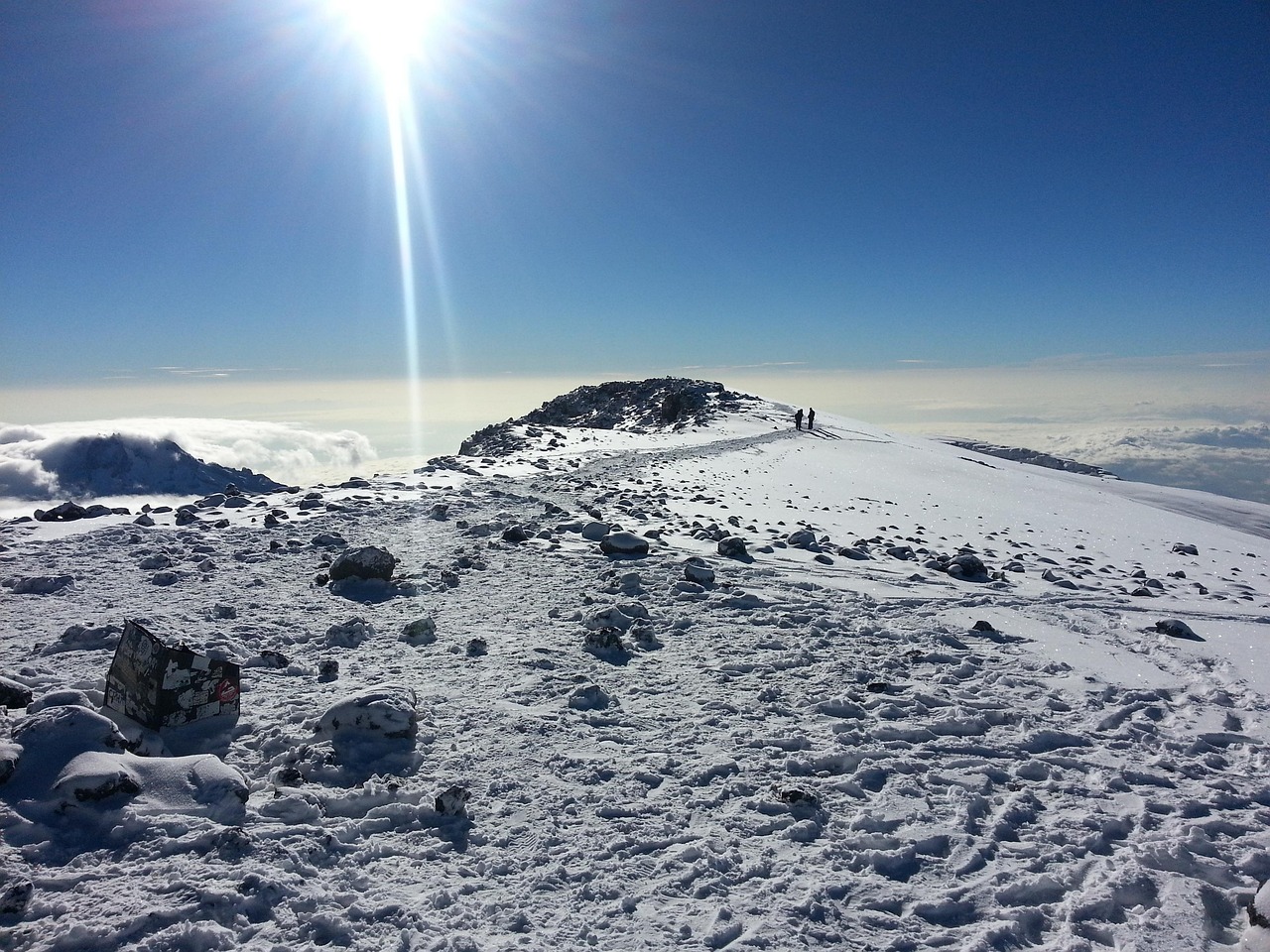
At Uhuru Peak, the atmospheric pressure is low, meaning there is roughly 50% less oxygen per breath compared to sea level. This leads to fatigue, shortness of breath, and mild headaches. Proper acclimatization is key.
2. The Steep, Dusty Descent
While climbing up takes several days, walking down takes only two. Descending from 5,895m to 1,800m is extremely taxing on the knees, quads, and ankles, requiring hiking poles and sturdy footwear.
3. Extreme Temperatures
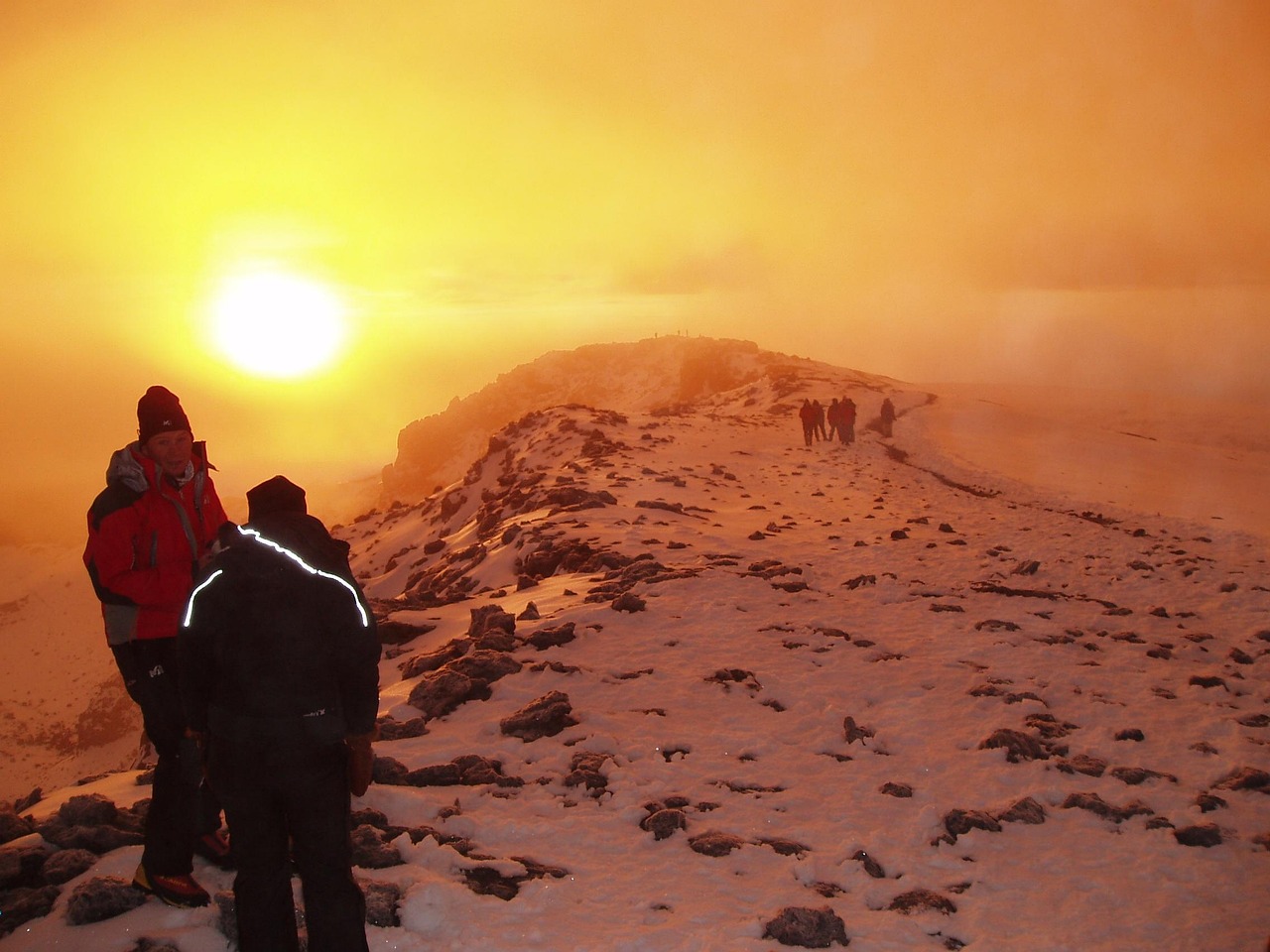
You start climbing in a warm tropical rainforest (25°C) and finish in a glaciated arctic desert (-10°C to -15°C). Having the correct technical layering system is essential to handle these weather changes.
Recommended Training Program
You do not need to be a marathon runner, but you do need excellent cardiovascular endurance and leg strength. Start training 3-4 months prior:
- Stair Climbing: The best simulation for the uphill trek. Use the stair machine at the gym or local stadium steps.
- Long Weekend Hikes: Hike for 4-6 hours on hilly terrain, wearing your actual hiking boots and carrying a weighted daypack.
- Core and Leg Strength: Incorporate squats, lunges, planks, and calf raises into your workouts.
For health tips on handling altitude, check out our guide on Kilimanjaro Altitude Sickness Explained.

