



Kilimanjaro Altitude Sickness Explained
Tanzania Safari
Acclimatization, Safety, and Medical Protocols on the Mountain
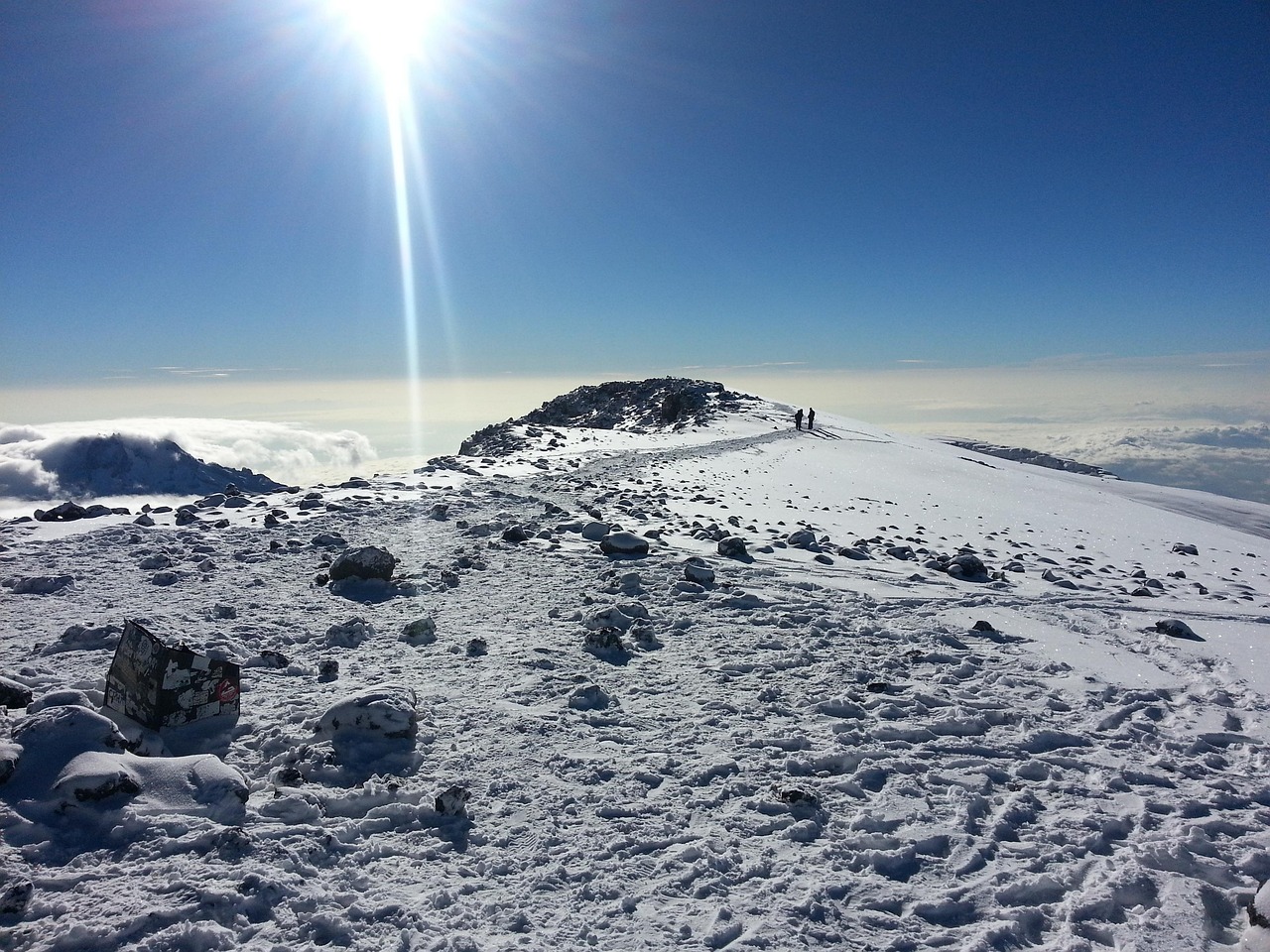
Acute Mountain Sickness (AMS) is the primary obstacle to reaching Uhuru Peak. Altitude sickness does not care about your age, fitness, or hiking experience. Understanding symptoms and prevention is key to a safe, successful climb.
Altitude sickness occurs when the body fails to adapt to the lower atmospheric pressure and oxygen levels at high elevations.
1. Mild Altitude Sickness (Common & Manageable)
Over 70% of climbers experience mild symptoms at some point above 3,000 meters. These are manageable and typically fade with rest:
- Mild headache.
- Light dizziness or fatigue.
- Mild nausea or loss of appetite.
- Shortness of breath during exertion.
2. Severe Altitude Sickness (Requires Immediate Descent)
If ignored, mild AMS can develop into life-threatening conditions: High Altitude Pulmonary Edema (HAPE) or High Altitude Cerebral Edema (HACE). Our certified guides monitor your health using pulse oximeters twice daily. Immediate descent is the only cure for severe AMS.
Five Proven AMS Prevention Strategies
- Walk Slowly (Pole Pole): Never rush. Walking slowly prevents excessive exertion and allows the lungs to adapt naturally.
- Hydration is Key: Drink 4 to 5 liters of water daily to thin the blood and aid oxygenation.
- Climb High, Sleep Low: Choose itineraries (like Lemosho or Machame) that feature daytime treks to high elevations followed by sleeping at lower camps.
- Consider Diamox (Acetazolamide): Consult your physician regarding Diamox, a prescription medicine that aids acclimatization.
- Eat Warm Meals: Even if you lose your appetite, you must consume high-carbohydrate meals to fuel your body.
Read our full safety profile on our dedicated page: Altitude Sickness on Mountain Page.

