Mount Kilimanjaro
Mount Kilimanjaro-The Roof of Africa
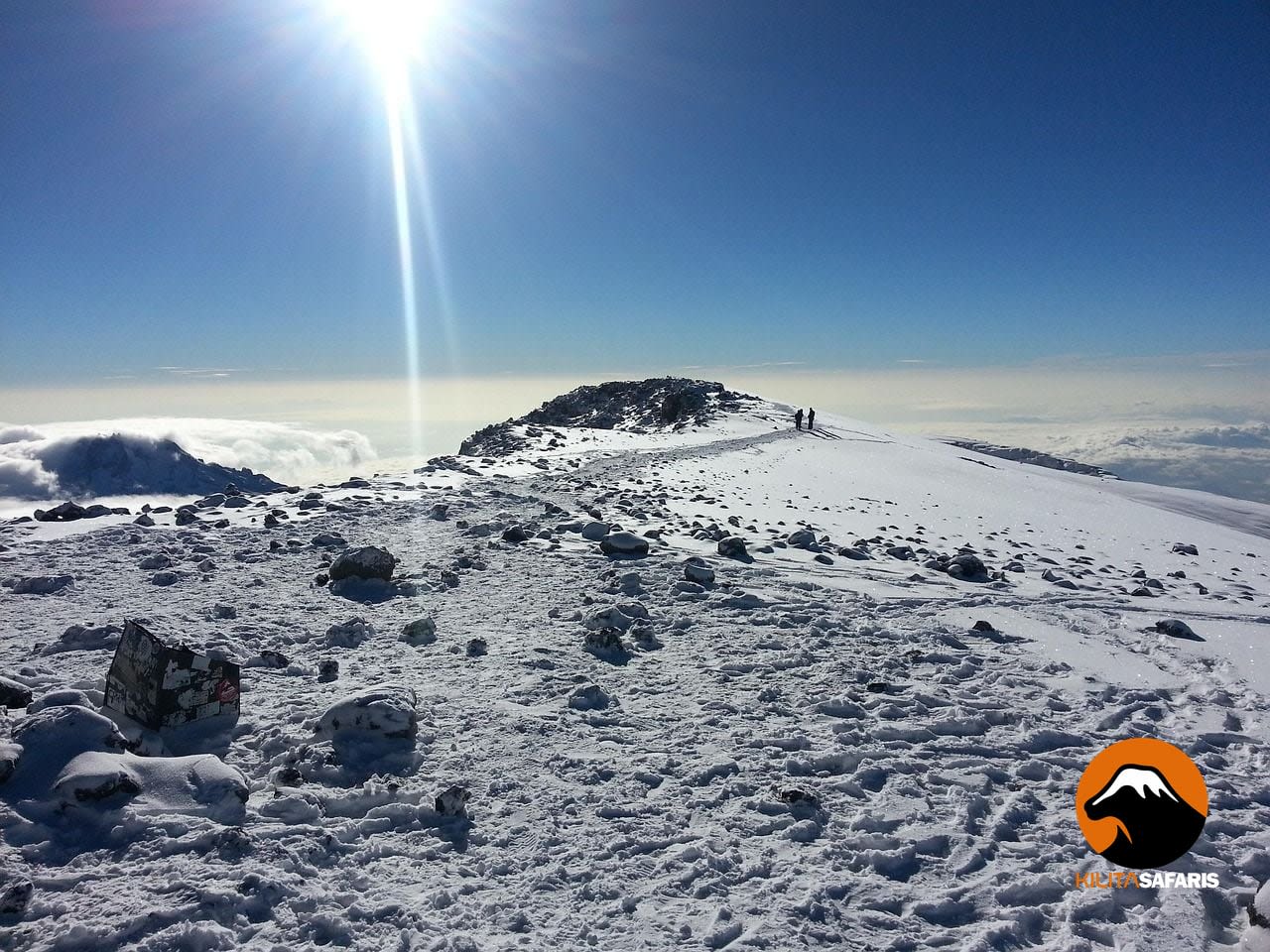
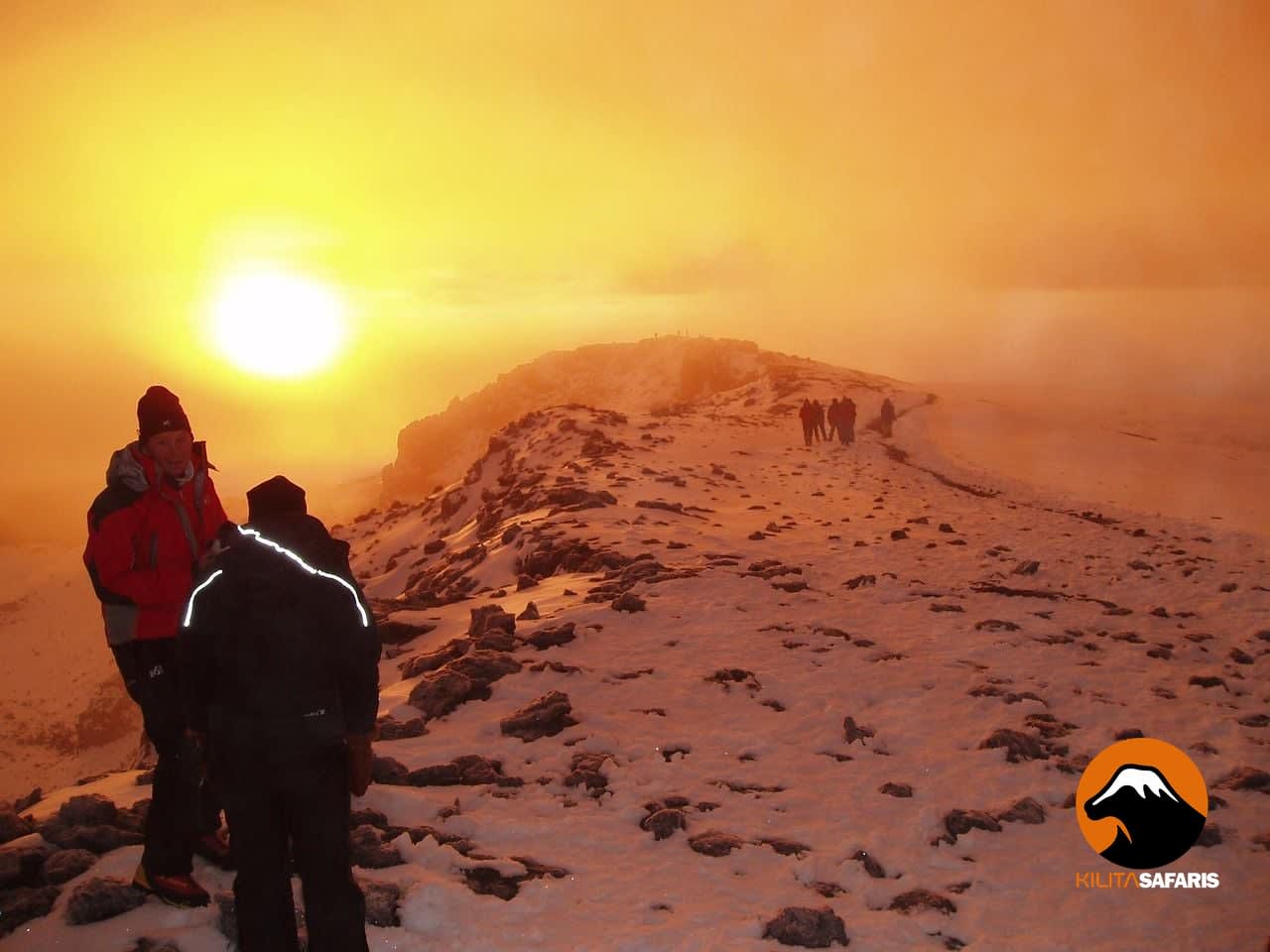
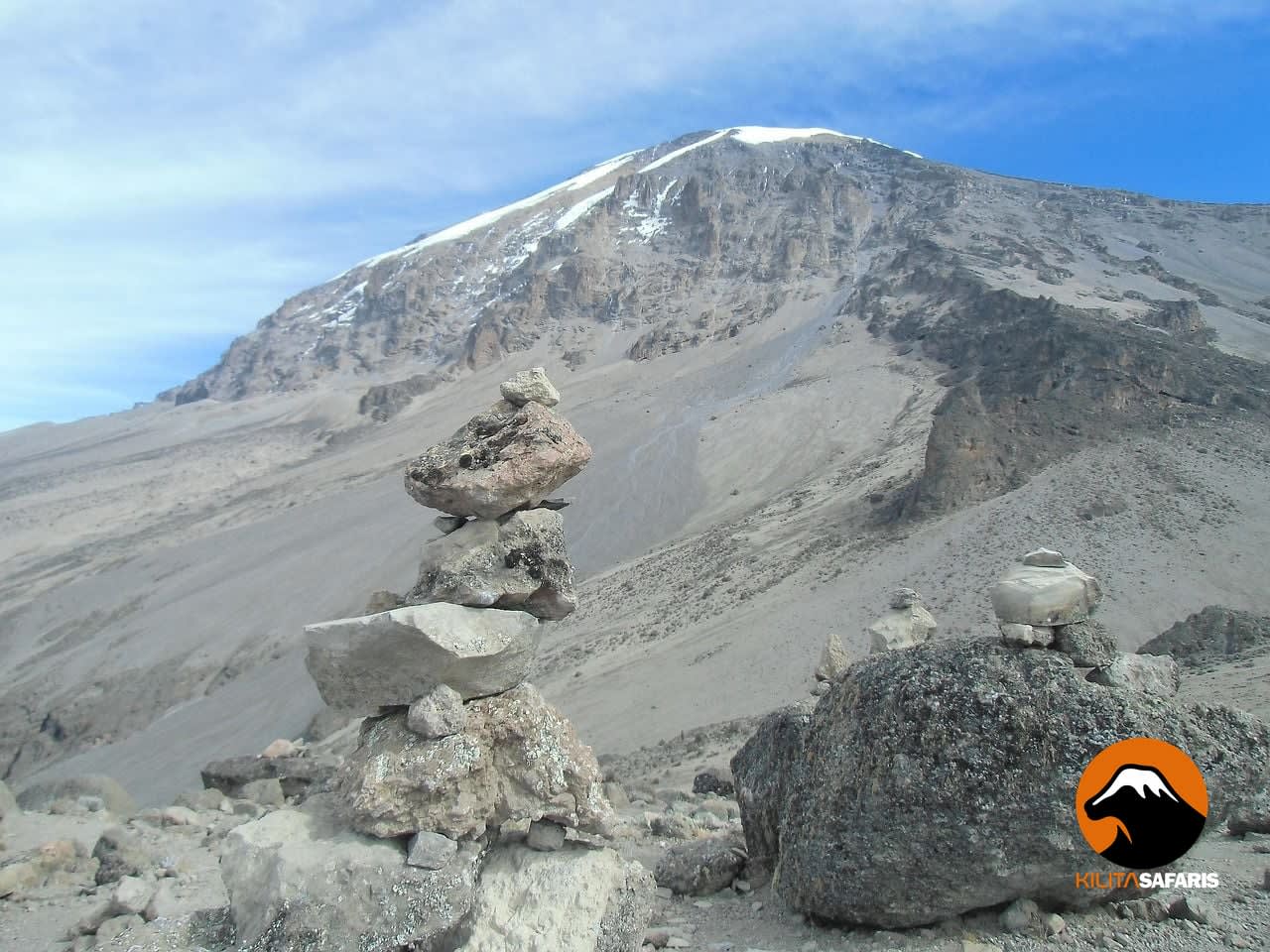
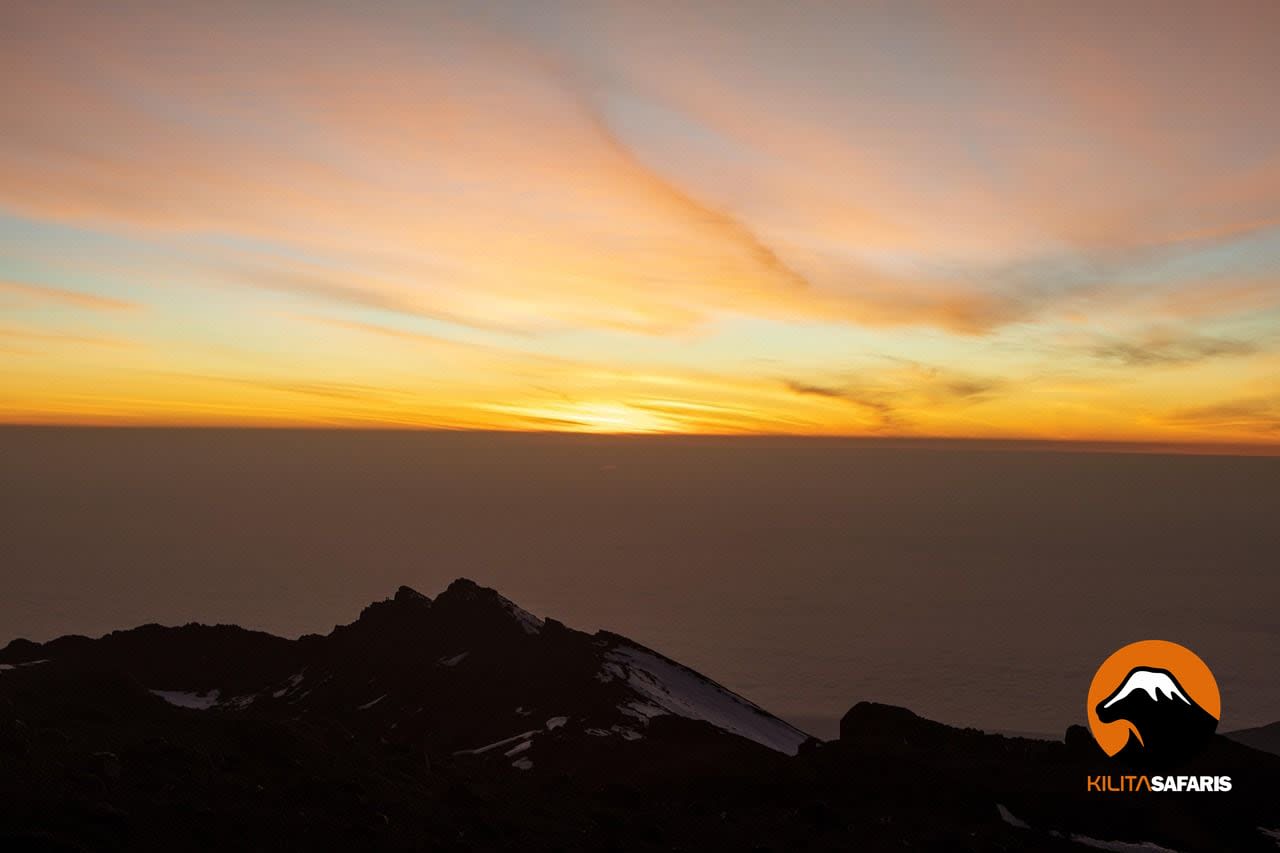
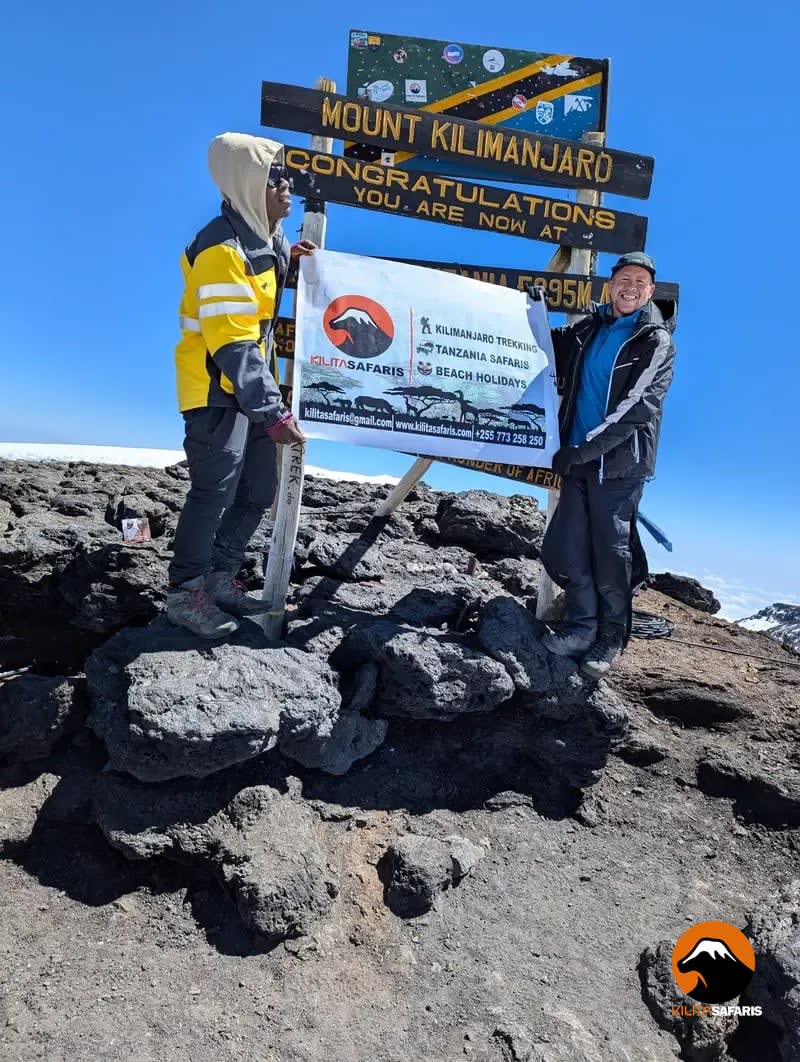
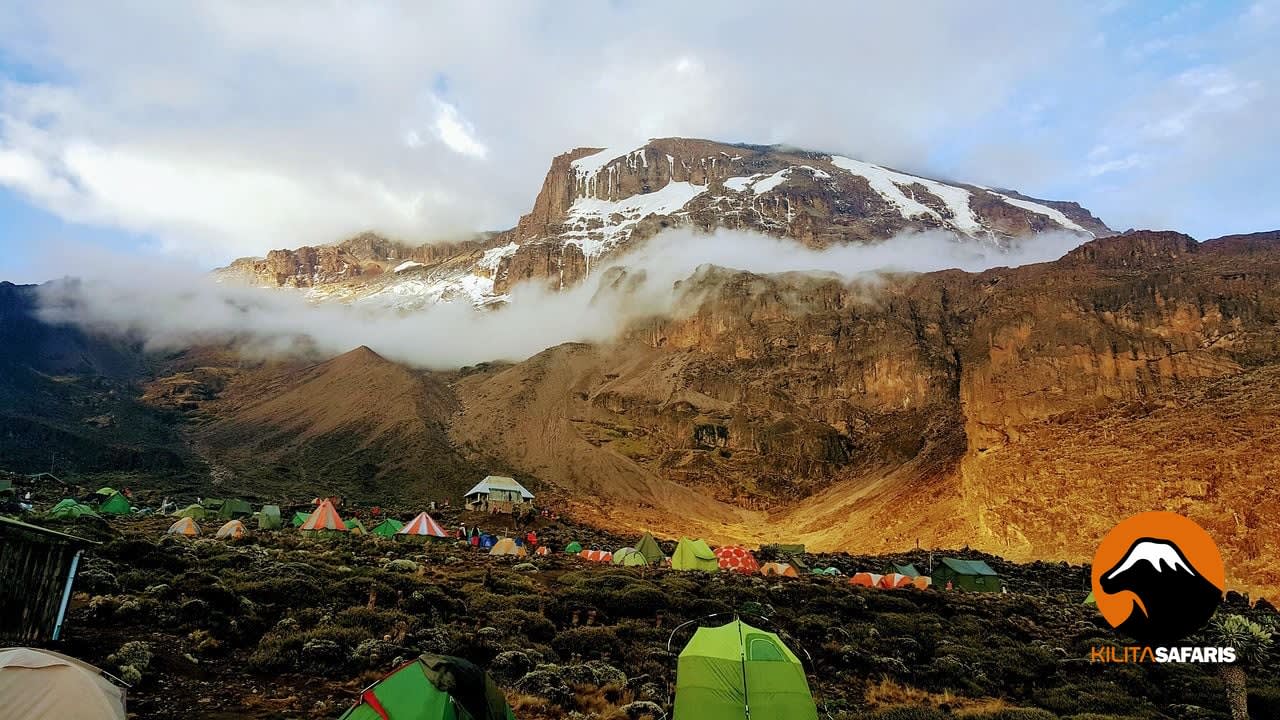
Mount Kilimanjaro, located in northern Tanzania, is Africa’s highest peak and one of the world’s most iconic trekking destinations. Rising 5,895 meters (19,341 ft) above sea level, this majestic mountain attracts thousands of climbers each year, offering breathtaking landscapes, unique ecosystems, and a true once-in-a-lifetime adventure. Kilimanjaro is a UNESCO World Heritage Site and is famous for its snow-capped summit, dramatic elevation gain, and the ability to trek to its peak without technical climbing skills.
Geography & Ecosystems
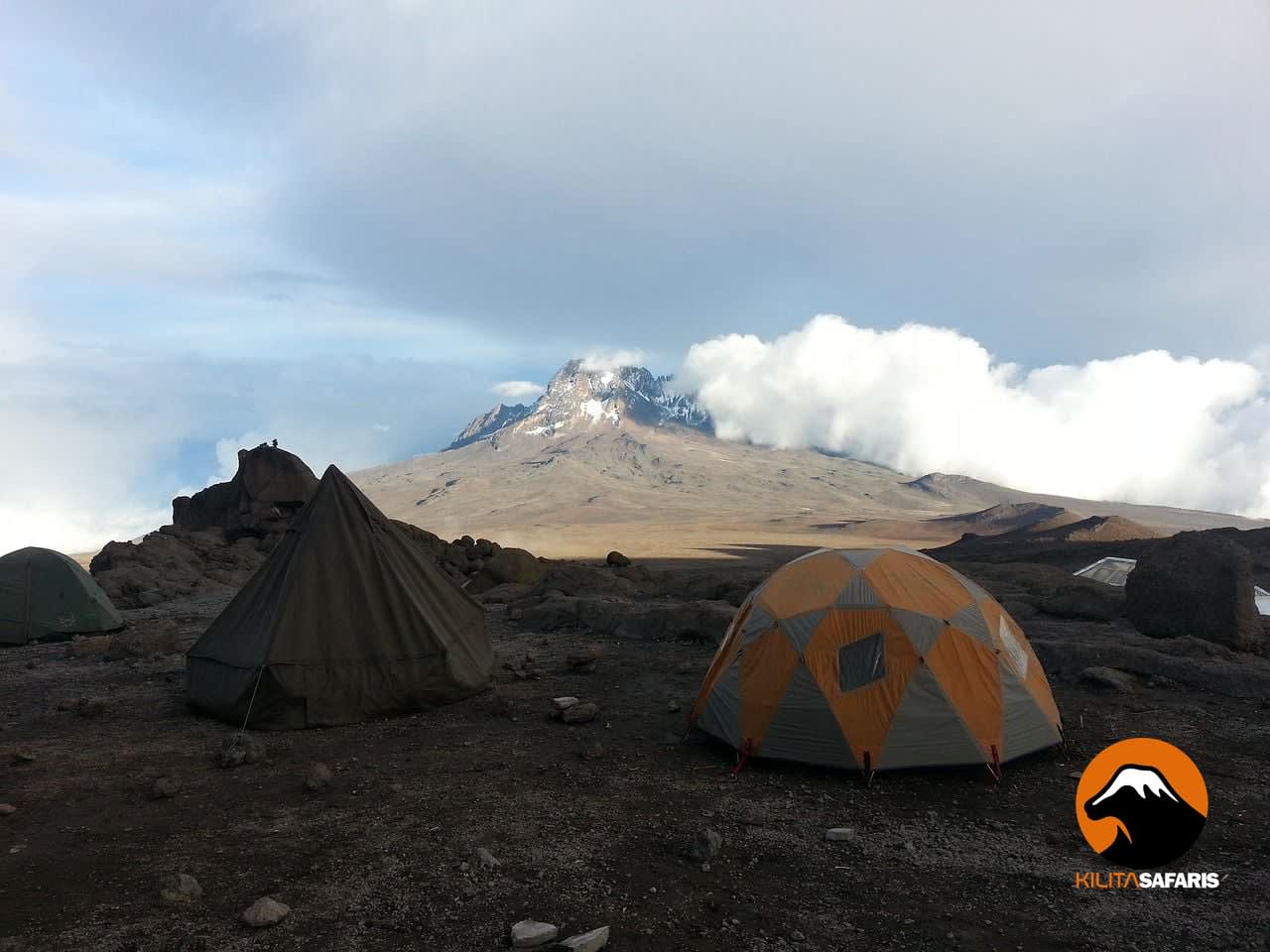
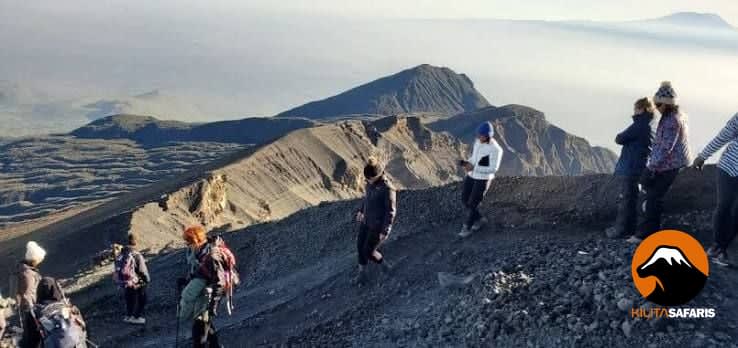
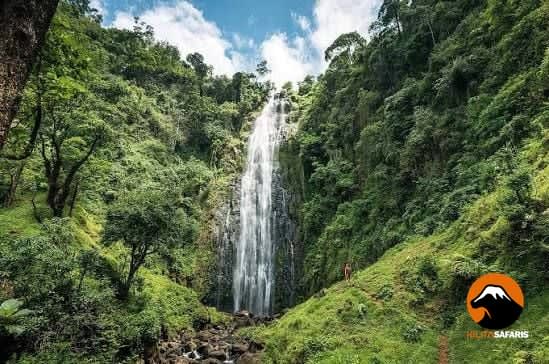
The mountain is made up of three volcanic cones: Kibo, the dormant cone and home to the famous Uhuru Peak; Mawenzi, a rugged dormant cone; and Shira, an extinct volcano forming the scenic Shira Plateau. Kilimanjaro features five distinct ecological zones, each with unique beauty and biodiversity. The Cultivation Zone surrounds the base with villages and farmland, while the Rainforest Zone offers lush vegetation and abundant wildlife. Higher up, the Heather and Moorland Zone is cooler, with giant heathers and other unique flora. The Alpine Desert Zone presents dramatic rocky landscapes and harsh conditions, leading up to the Arctic Zone, which is snow-covered with glaciers near the summit.
Routes to the Summit
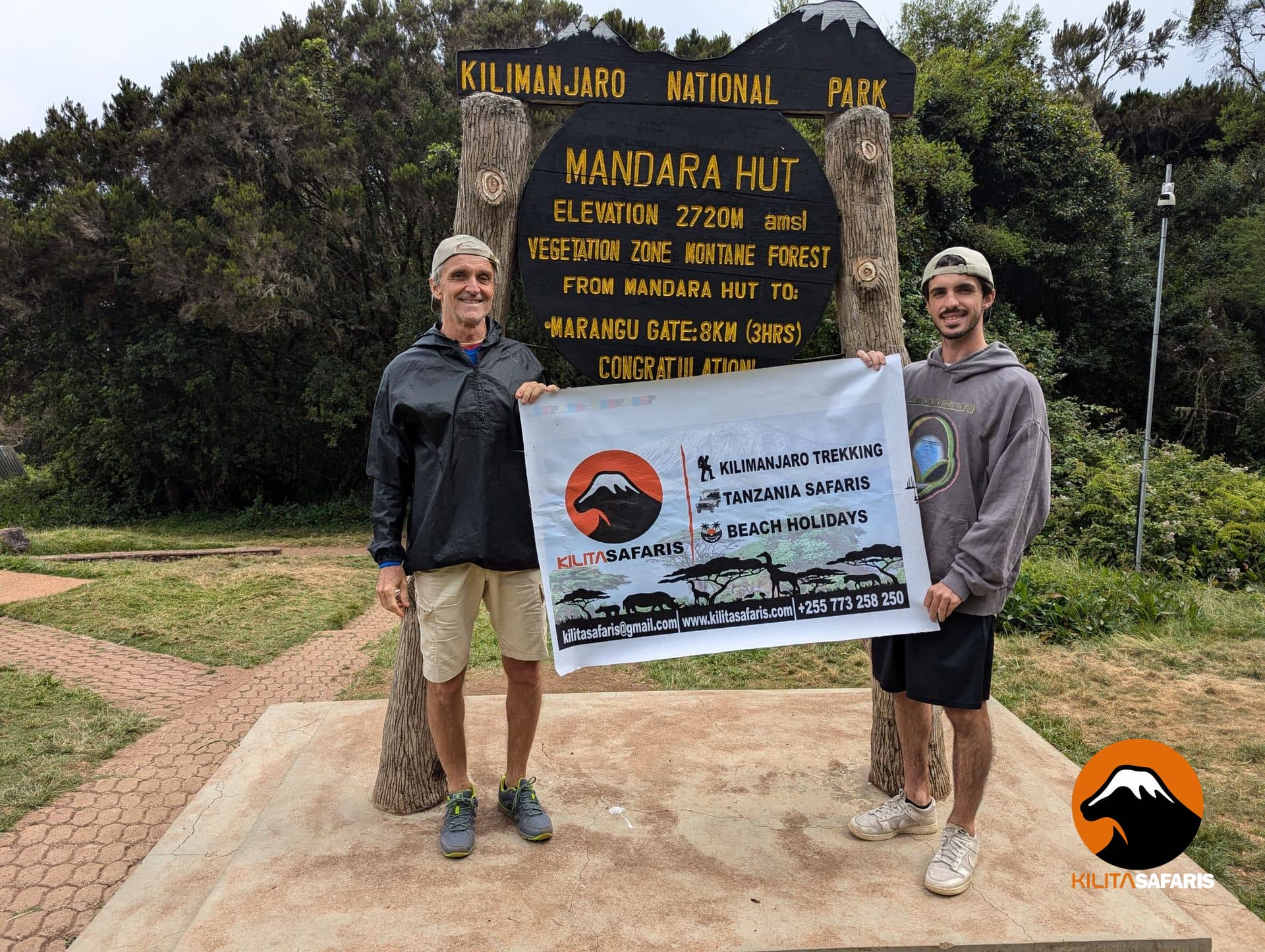
There are several trekking routes to the top, each offering different scenery and challenges. The popular Machame Route is known for its stunning landscapes, while Lemosho Route offers highly scenic trails with high summit success rates. Marangu Route is unique in providing hut accommodation, while Rongai Route approaches from the quieter northern side. The Northern Circuit is the longest route and provides the best acclimatization, and Umbwe Route is steep and suitable for experienced climbers. Most climbs take between 6–9 days, depending on the chosen route.
Wildlife
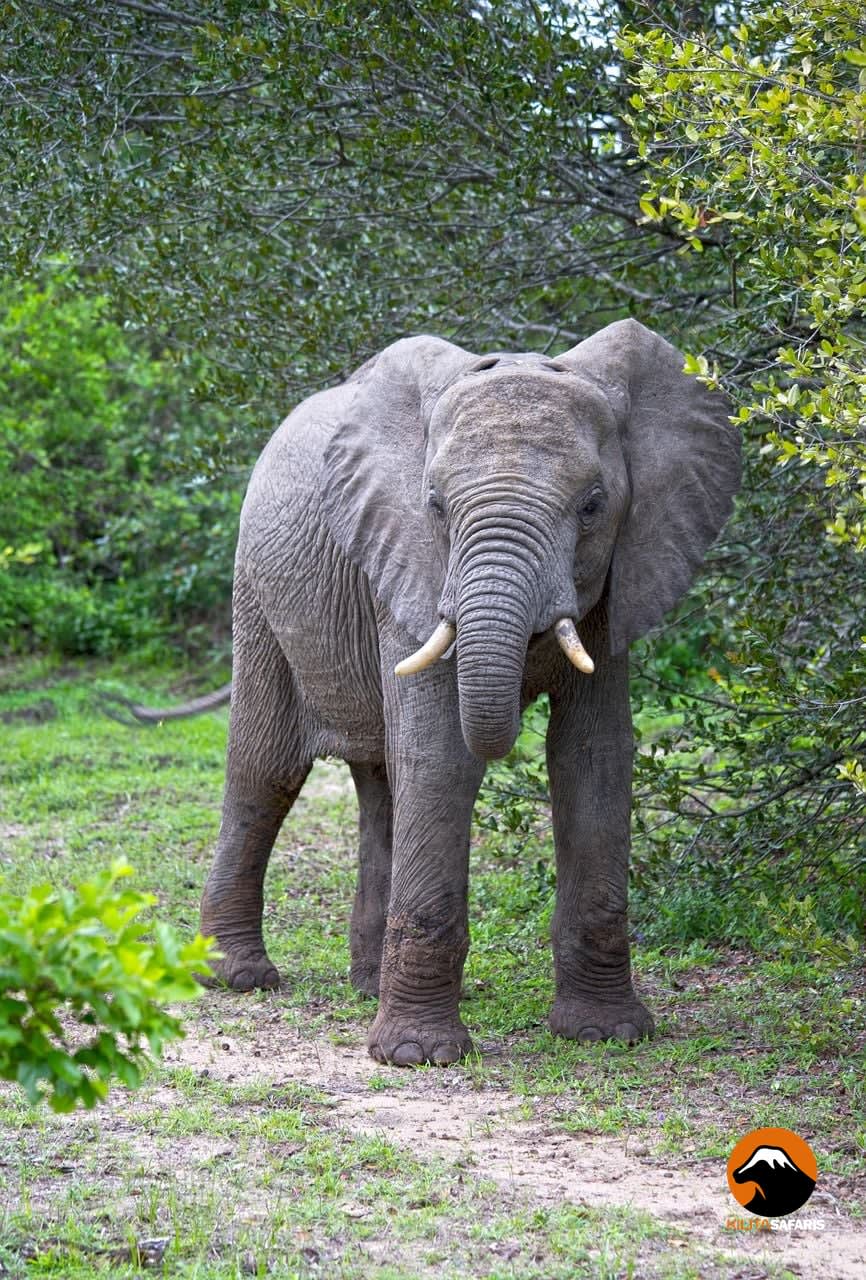
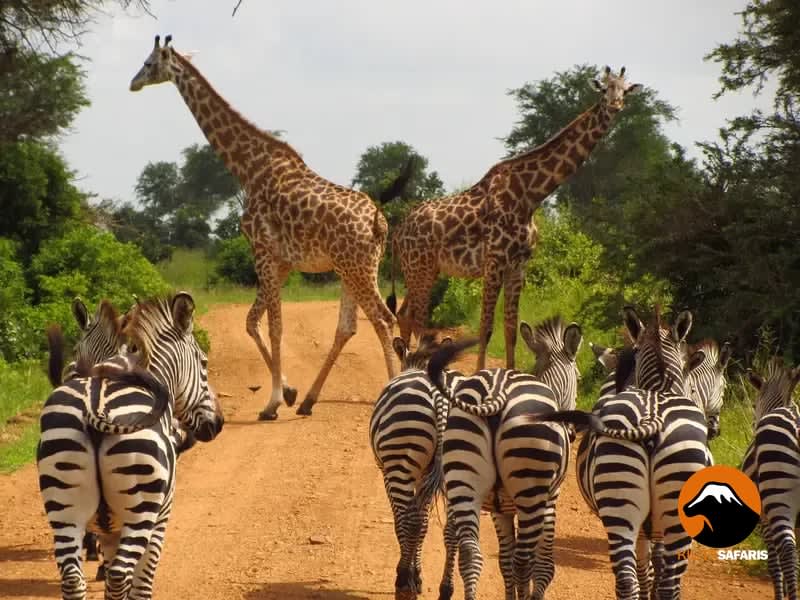
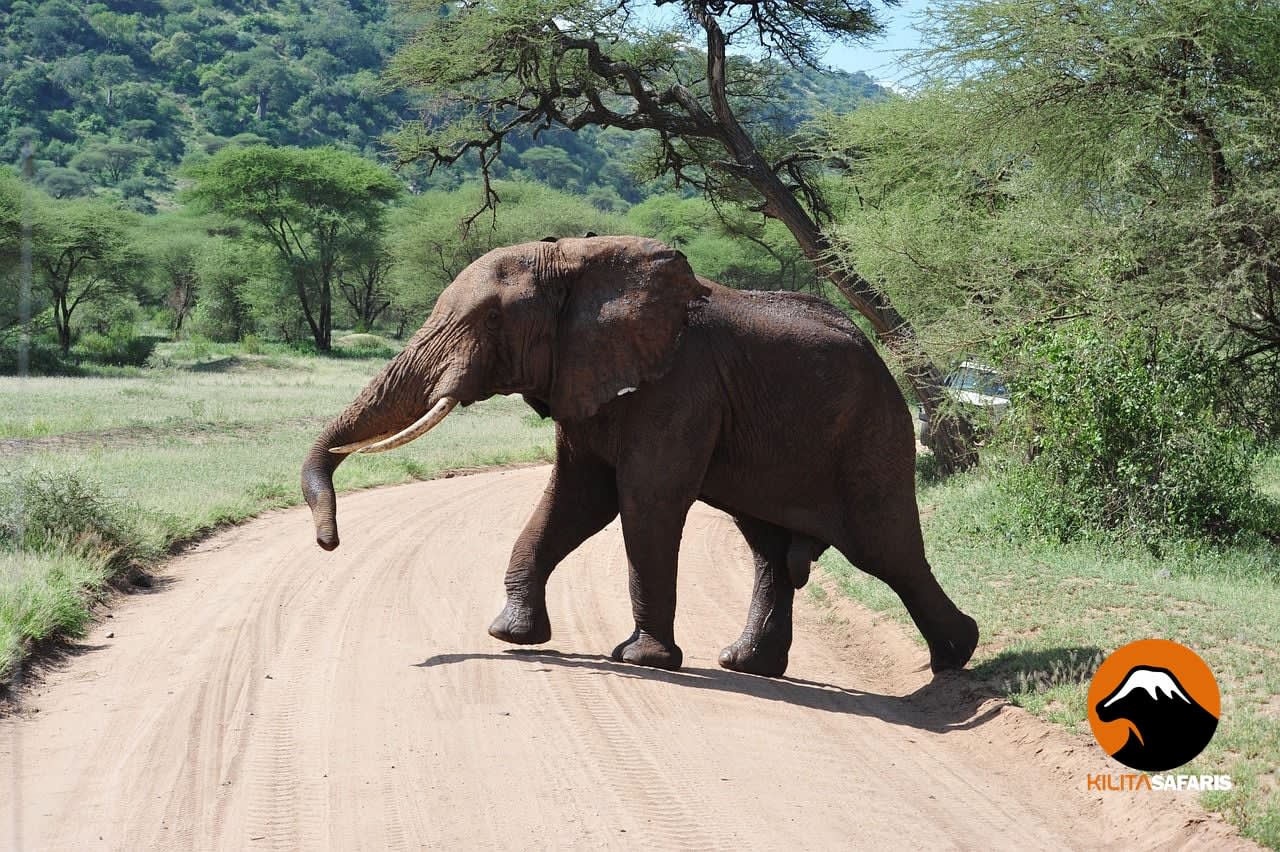
While trekking, climbers may encounter wildlife such as colobus monkeys, blue monkeys, and bushbuck, as well as a variety of bird species. High-altitude zones are home to unique flora including giant senecios and lobelias.
Best Time to Climb
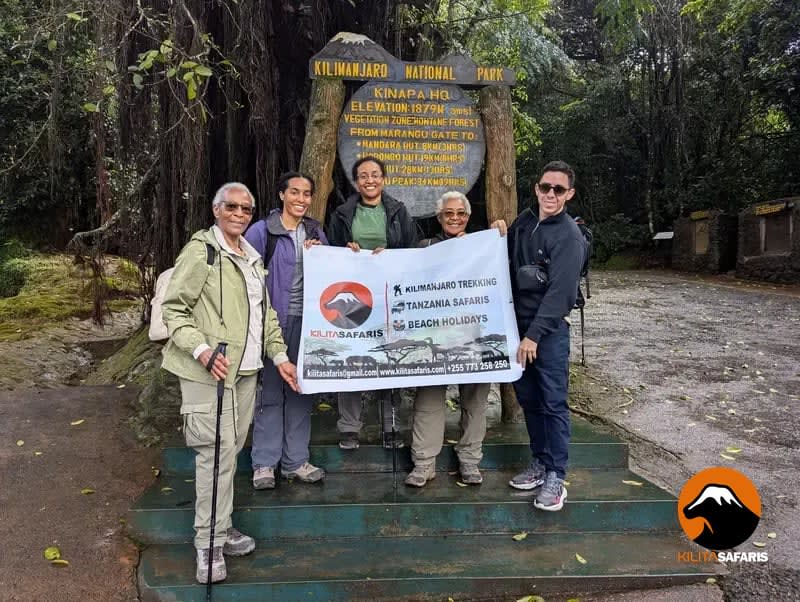
The best time to climb is during the January–March and June–October dry seasons, when skies are clearer and conditions are more stable. For a safe and successful ascent, a climb of 7–8 days is recommended to allow proper acclimatization. Kilimanjaro is easily accessible, with the main gates only 45–60 minutes from Moshi and about 2 hours from Arusha, depending on the starting point.