
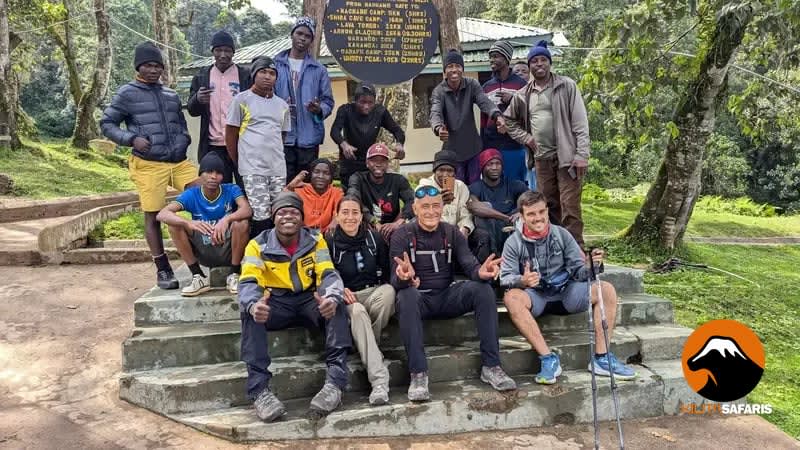
Kilimanjaro National Park entry, camping/hut and rescue fees, set by KINAPA and applied per person per day
Kilimanjaro Climbing Cost Guide 2026: What You'll Actually Pay by Route
How Much Does It Cost to Climb Kilimanjaro?
There is no single "Kilimanjaro price" - the honest answer is that it depends on the route you choose, how many days you spend on the mountain, whether you climb in a shared group or privately, and the season. On Kilita Safaris' own published routes, group prices currently range from about $1,600 per person for a 7-day Machame group climb to $2,950 for an 8-day luxury Lemosho route with crater camp. This page lays out the real, current prices route by route so you can budget accurately before you request a quote, rather than guessing from a generic average you might see elsewhere online.
What's Included In the Price
-
-
Professional mountain guides, cooks and porters, plus fair wages for the mountain crew as approved by KINAPA and the Kilimanjaro Association of Tour Operators (KIATO)
-
4-season mountain tents, double-layered sleeping mats and camping equipment on non-hut routes
-
3 meals daily on the mountain and filtered drinking water throughout the trek
-
Transportation to and from the mountain gate, plus airport pick-up/drop-off and pre- and post-trek accommodation on most itineraries
Not Included
-
International and domestic flights
-
Travel and medical insurance
-
Tips for the mountain crew
-
Laundry and other personal services
-
Items of a personal nature (visas, souvenirs, alcoholic drinks)
Kilimanjaro Route Price Comparison (Per Person, Group Rate)
The table below pulls from Kilita Safaris' own currently published route prices, so you can compare like for like. "Group rate" means the price for joining a shared departure or booking as part of a small group; private climbs and very small group sizes are quoted higher because the same fixed costs (guide, cook, porter team, park vehicle) are spread across fewer people.
| Route | Duration | Price (USD, per person) |
|---|---|---|
| Machame Route | 7 Days (joining group) | $1,600 |
| Rongai Route | 7 Days (shared group) | $1,650 |
| Umbwe Route | 6 Days (group) | $1,650 |
| Rongai Route | 6-7 Days (standard) | $1,800 |
| Lemosho Route | 6 Days | $1,925 |
| Umbwe Route | 5-7 Days | $1,925 |
| Joining Group Climb | Varies (scheduled departure) | $2,150 |
| Northern Circuit | 10 Days (group) | $2,700 |
| Lemosho Route with Crater Camp | 8 Days | $2,950 |
| Luxury Kilimanjaro Trek | 8 Days | $2,950 |
Prices on individual route pages can also break down further by group size (solo, 2-4, 5-7, 8-10, 11+ climbers) - see the full pricing table on the Rongai Route and Machame Route pages for an example of how per-person cost drops as group size grows on the same route.
Why Kilimanjaro Climbing Prices Vary So Much
1 Route length
Every extra day on the mountain adds another day of park fees, crew wages, food and camping supplies. This is the single biggest reason a 5-day route is cheaper than an 8- or 10-day one - it isn't a discount, it's fewer days of fixed daily costs.
2 Group size and private vs. shared
A guide, cook and porter team cost roughly the same whether they're supporting 2 climbers or 10. Joining a scheduled group departure spreads that fixed cost across more people, which is why group and joining-group rates run lower per person than a private, just-for-you departure on the same route.
3 Kilimanjaro National Park fees
Park entry, camping/hut and rescue fees are set by the Kilimanjaro National Park Authority (KINAPA), charged per person per day, and apply equally to every licensed operator. They typically make up a large share of the quoted price on any route and are not something an operator can discount away - they're the reason no honest Kilimanjaro quote can be dramatically cheaper than the government fee floor for the same itinerary.
4 Crew wages and porter welfare
Kilita Safaris pays crew wages in line with KINAPA/KIATO fair-wage guidelines. Operators that quote noticeably below the market for the same route length are usually cutting into crew pay or porter loads and equipment - worth asking about directly if you're comparing quotes.
5 Add-ons: crater camp and luxury service
Routes with an extra night at the crater rim (like the 8-day Lemosho with crater camp) or upgraded luxury-tier service carry additional permit and logistics costs on top of the standard route price, which is reflected in the higher price for those itineraries.
Budget-Friendly Alternative: Mount Meru
If your main goal is a genuine high-altitude trekking experience without Kilimanjaro's full price tag, Mount Meru - Tanzania's second-highest peak, also reachable from Arusha - is a useful comparison and a popular pre-acclimatization climb before Kilimanjaro. Kilita Safaris runs it at 3 days from $900 per person and 4 days from $1,150 per person, well below any Kilimanjaro route, because it's a shorter climb with lower park fees and a smaller crew requirement.
Tipping and Other Costs to Plan For on Top of the Trek Price
Tips are customary but never included in the quoted trek price on any Kilimanjaro operator's itinerary, including Kilita Safaris'. As a planning guide, per-day/per-trip figures typically look like this, to be split across your group and paid to the crew at the end of the climb:
| Crew Role | Typical Tip |
|---|---|
| Chief Guide | $25.00 per day |
| Assistant Guide | $20.00 per day |
| Summit Porters | $20.00 per trip |
| Cook | $7.00 per day |
| Waiter / Tent Crew / Toilet Crew | $2.00 per day each |
| Support Crew (Porters) | Shared per day, split across the team |
Frequently Asked Questions
Q How much does it cost to climb Kilimanjaro?
With Kilita Safaris, published group prices range from around $1,600 per person for a 7-day Machame group climb up to $2,950 for an 8-day luxury Lemosho route with crater camp. Shorter routes and larger groups bring the per-person price down; private climbs, longer itineraries and crater-camp add-ons push it up.
Q Why do prices vary so much between operators and routes?
Route length is the biggest factor - more days on the mountain means more park fees, more crew wages and more supplies. Group size matters too, since fixed costs like guides and vehicles are shared across more climbers. A smaller share of the difference comes from route choice itself and from add-ons like crater camp or private-only service.
Q Are park fees included in the price?
Yes, on every Kilita Safaris climb. Park entry, camping/hut fees and rescue fees are set by KINAPA and apply per person per day regardless of operator, so they make up a large, non-negotiable part of any quoted price.
Q Is a private climb more expensive than a joining group?
Generally yes. A joining-group climb lets you share fixed costs with other climbers on the same scheduled departure, bringing the per-person price down. A private climb gives you full control over dates and pace but carries those fixed costs alone.
Q What isn't included in the price?
International flights, travel insurance, personal items, laundry and tips for the mountain crew are excluded from the quoted trek price and should be budgeted separately.
Q How much should I budget for tipping?
Budget roughly $25/day for the chief guide, $20/day for an assistant guide, $20 total for summit porters, and $2-7/day each for cooks, waiters and tent/toilet crew, split among your group.
Get a Custom Quote
Related Routes
-
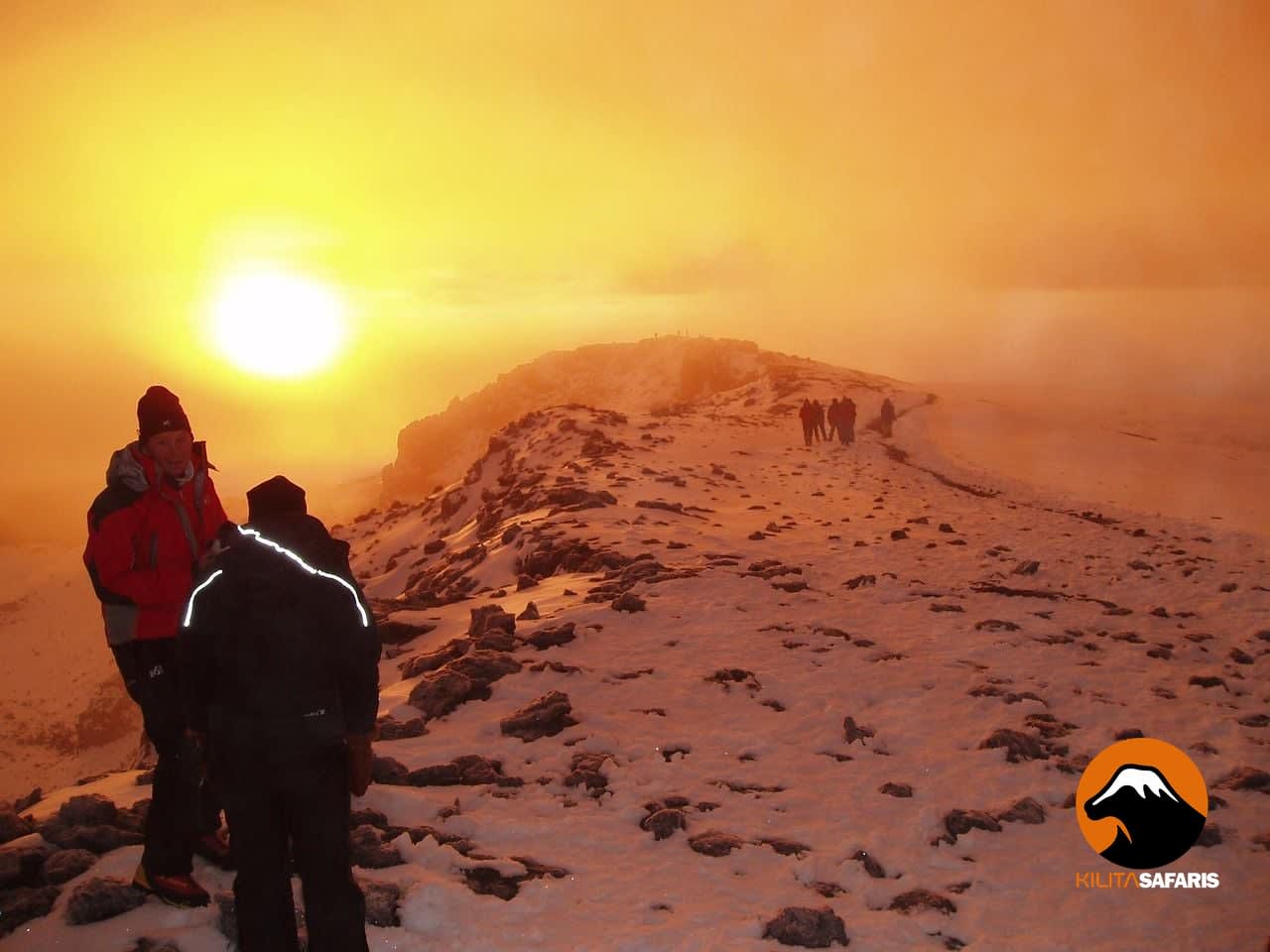 7 Days Rongai Route
$1,800 / Per Person
-
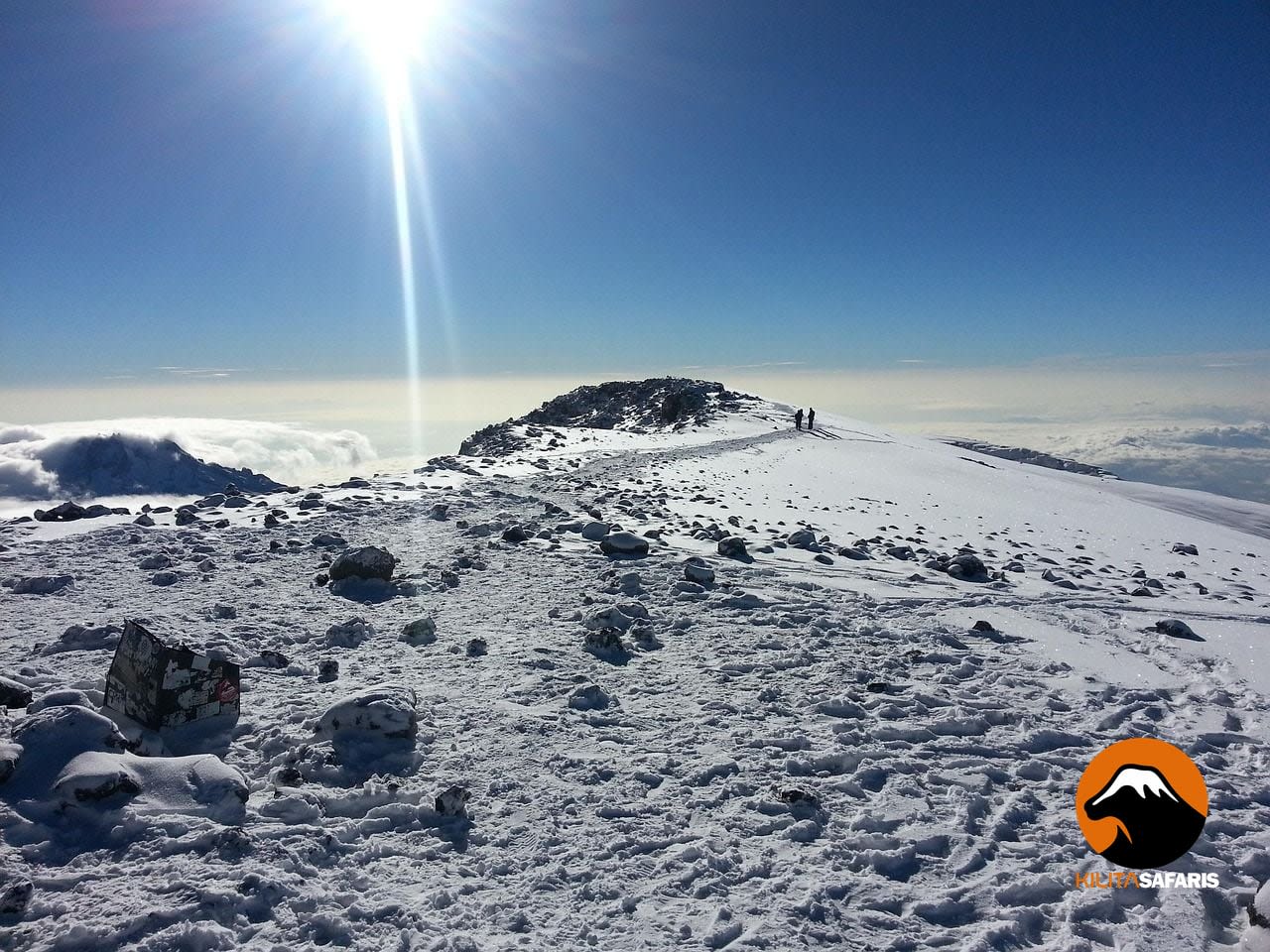 Machame Route 6days
$1,650 / Group Sharing Price
-
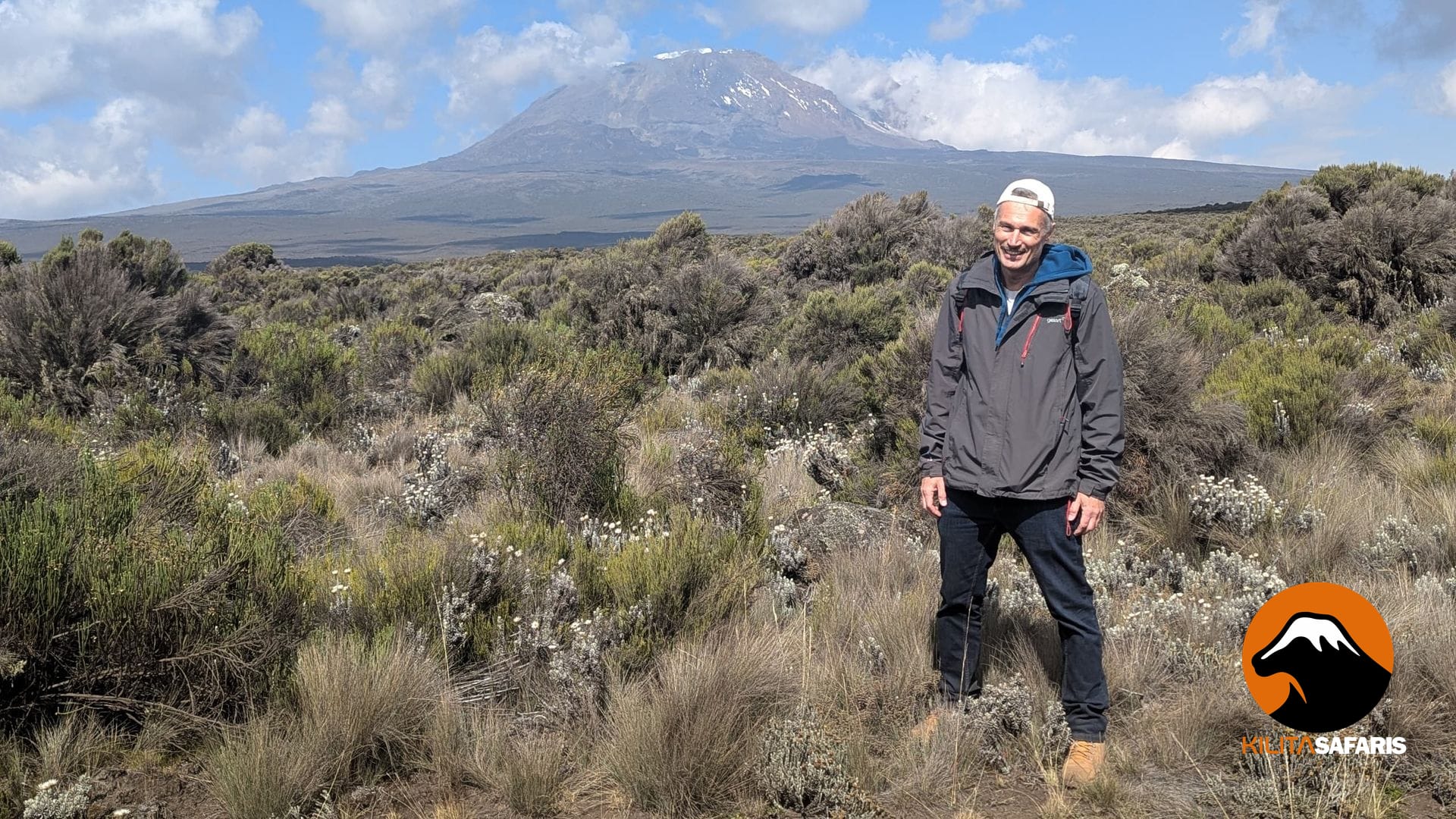 Lemosho Route 8 Days
$2,475 / Group Sharing Price
-
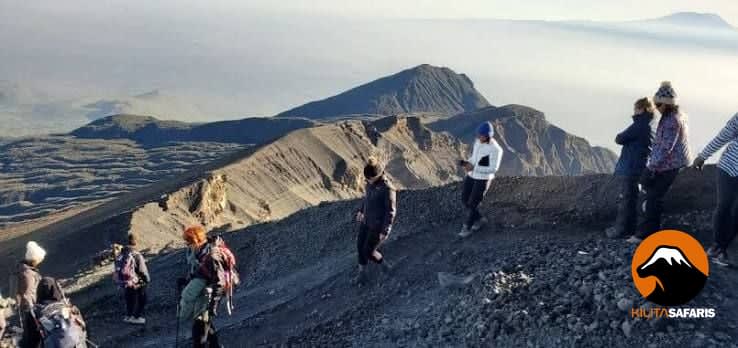 Mount Meru Climbing
$900 / From 3 Days