



Serengeti National Park Complete Guide
Tanzania Safari
Endless Plains: The Comprehensive Serengeti Safari Planning Manual
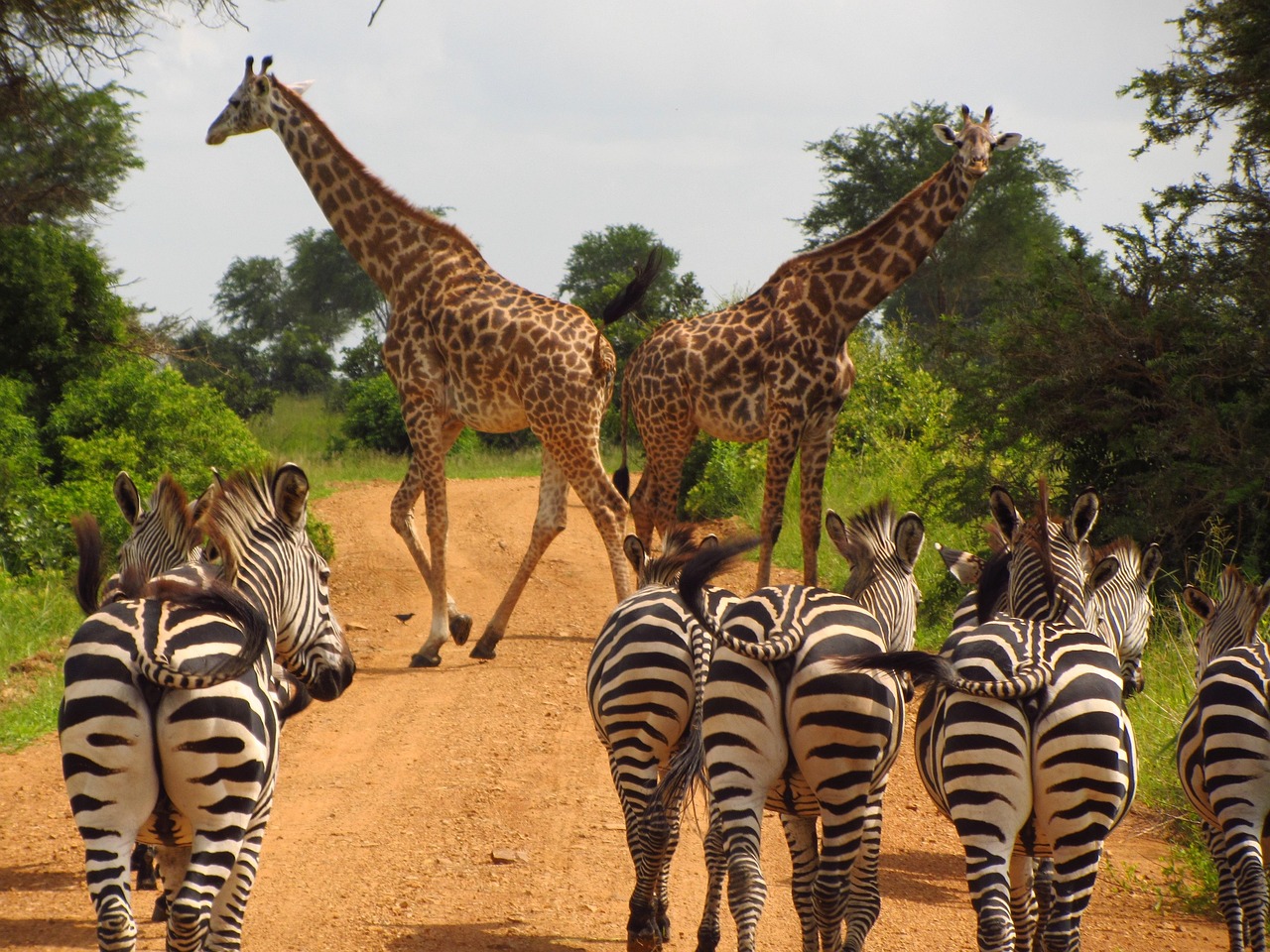
The Serengeti National Park is the crown jewel of Africa's wildlife reserves. Famed for its vast open savannahs and the epic Great Migration, it offers premium predator encounters. Let's explore its regions and secrets.
The Serengeti is massive, divided into four primary geographic regions, each offering unique wildlife viewing across the seasons.
1. Central Serengeti (Seronera)
The heart of the park, characterized by savannah grass, soda lakes, and granite rocky outcrops (kopjes). Seronera has permanent water sources, supporting abundant year-round resident wildlife.
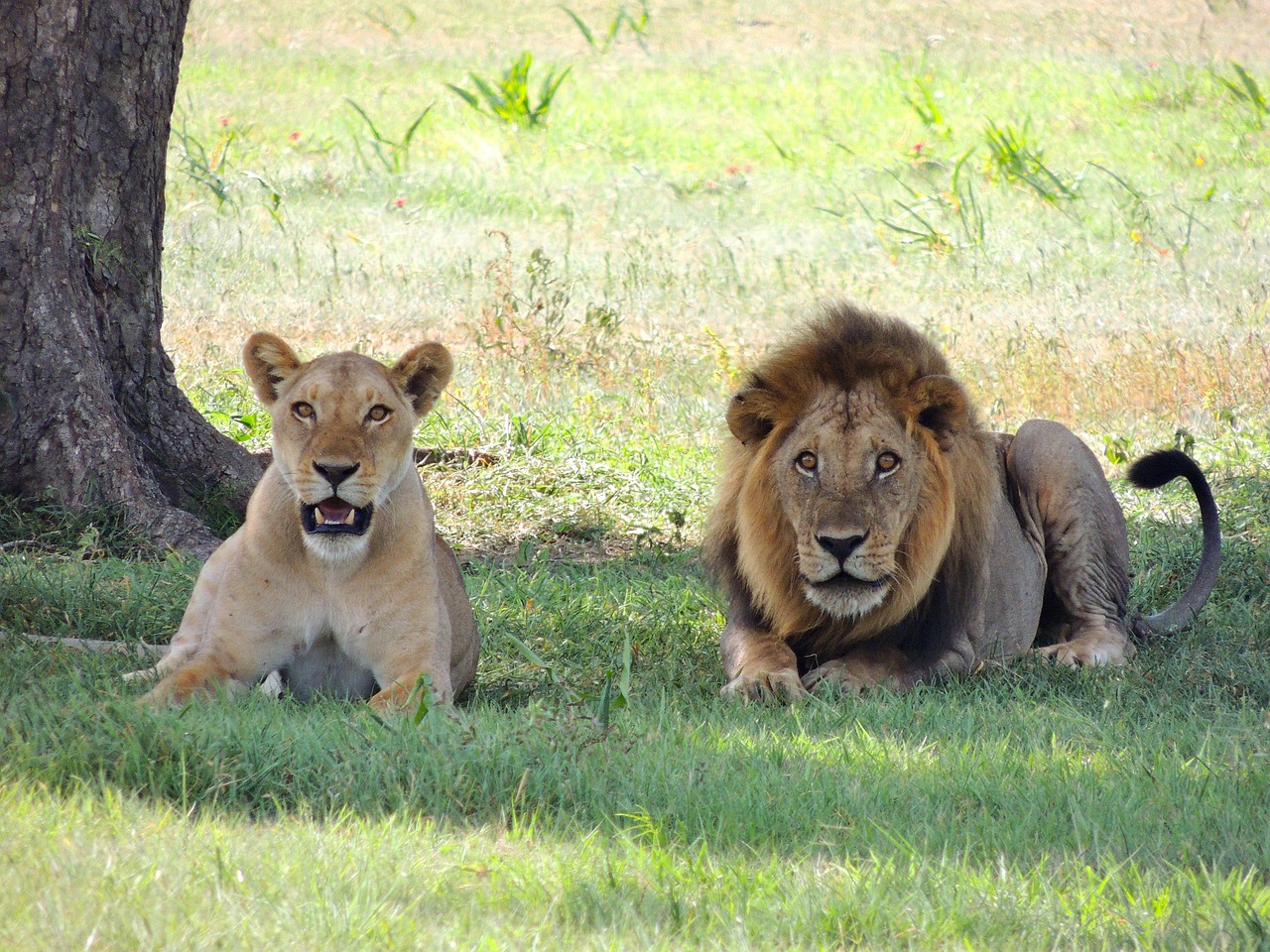
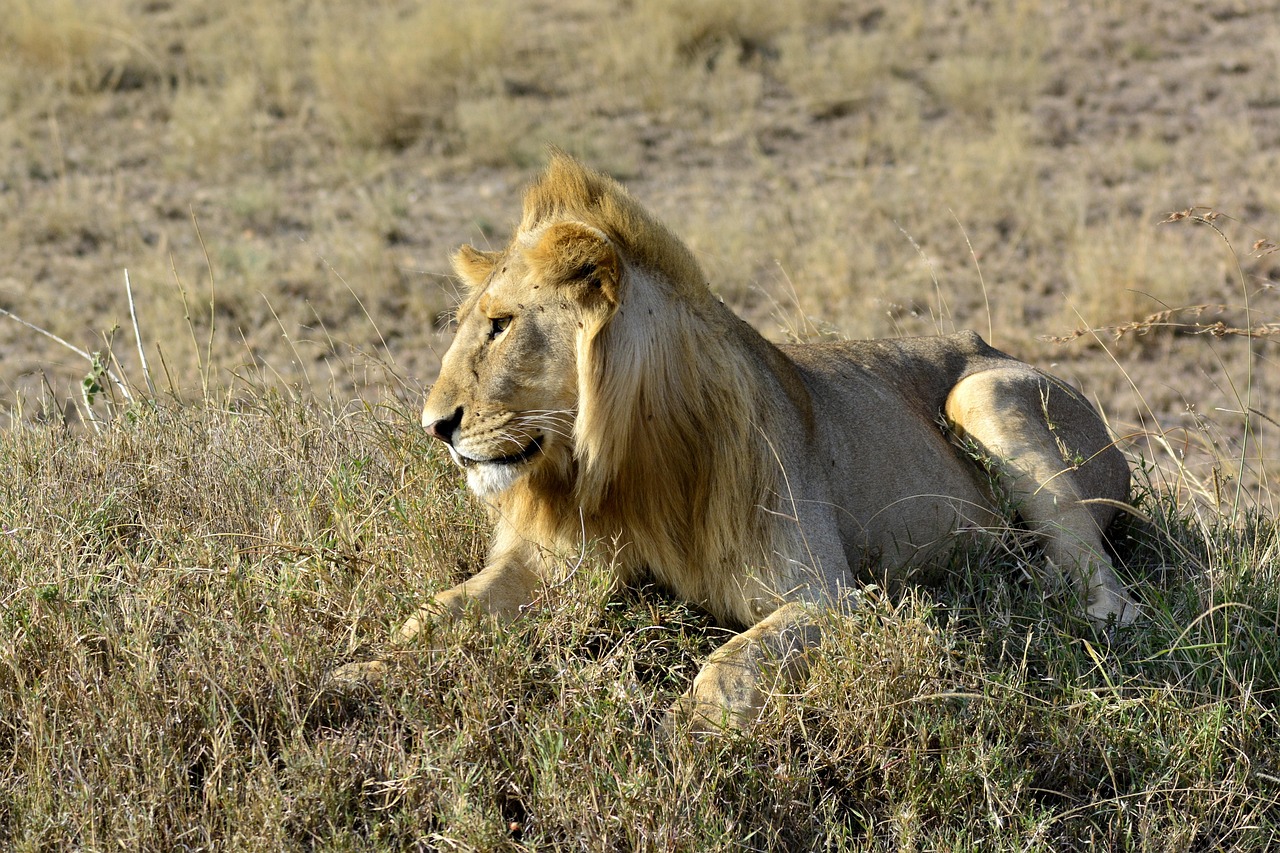
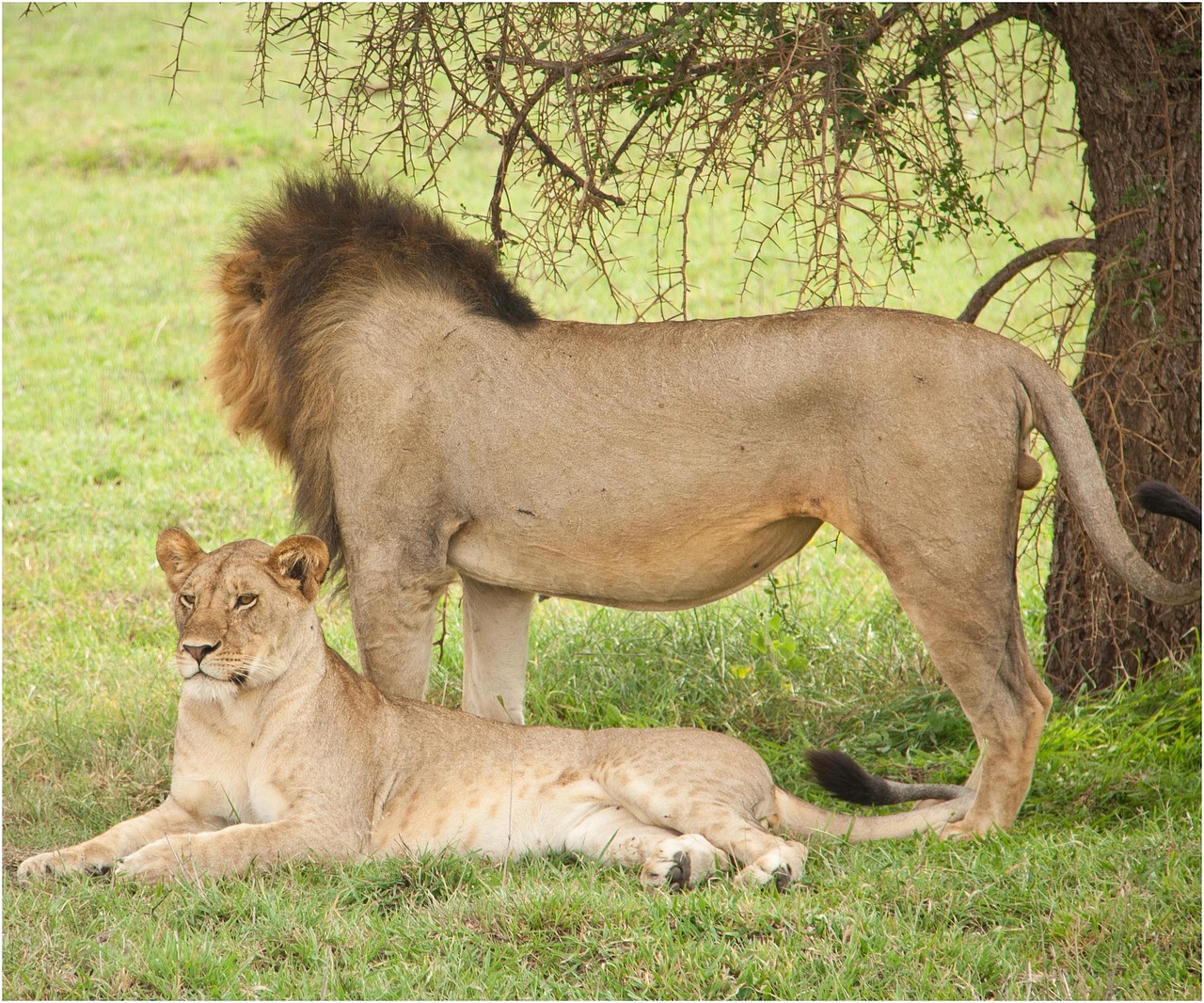
- Key Animals: High densities of lions, leopards, cheetahs, and herds of gazelles.
- Season: Excellent year-round. It is typically busy due to its accessibility and central location.
2. Southern Serengeti (Ndutu)
Endless, flat short-grass plains extending into the Ngorongoro Conservation Area.
- Season: December to March. The region comes alive for the Great Migration calving season, drawing massive numbers of predators.
3. Western Corridor (Grumeti)
Framed by the Grumeti River, this region is famous for river crossings and giant Nile crocodiles.
- Season: May to July. Highly popular during the migration's movement northward.
4. Northern Serengeti (Kogatende)
A hilly, scenic region adjacent to the Masai Mara, bordered by the Mara River.
- Season: July to October. The best location to observe the dramatic Mara River crossings.
Read our specialized migration guide: Great Migration Guide or book a package on our Tanzania Safari Packages Page.

