



Your Guide to Tanzania Safari Seasons and Wildlife Timings in 2026
Planning a safari to Tanzania in 2026 requires understanding the country's dual dry and wet seasons. This dictates where the animals congregate and how accessible the national parks are.
The Dry Season (June to October)
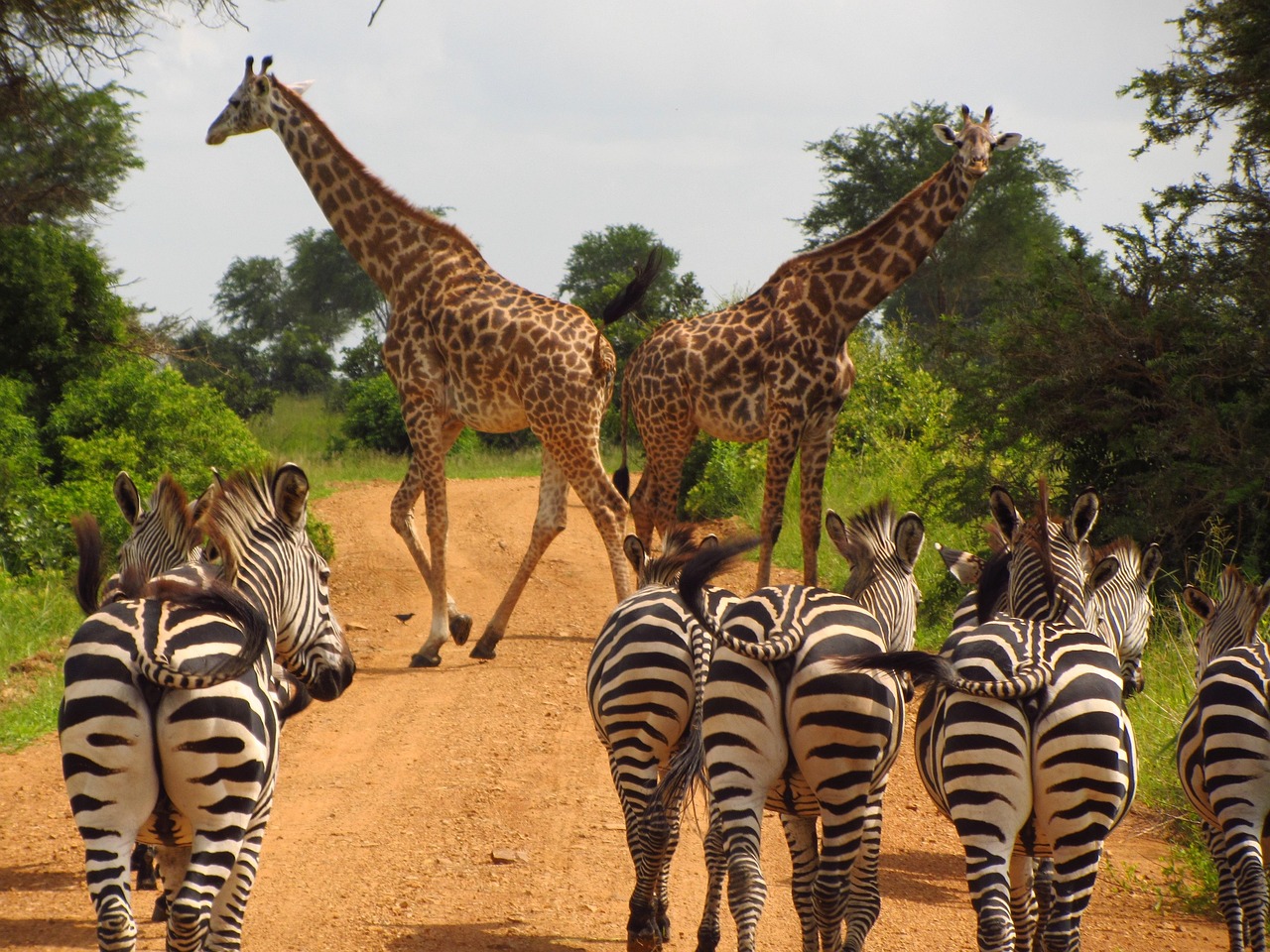
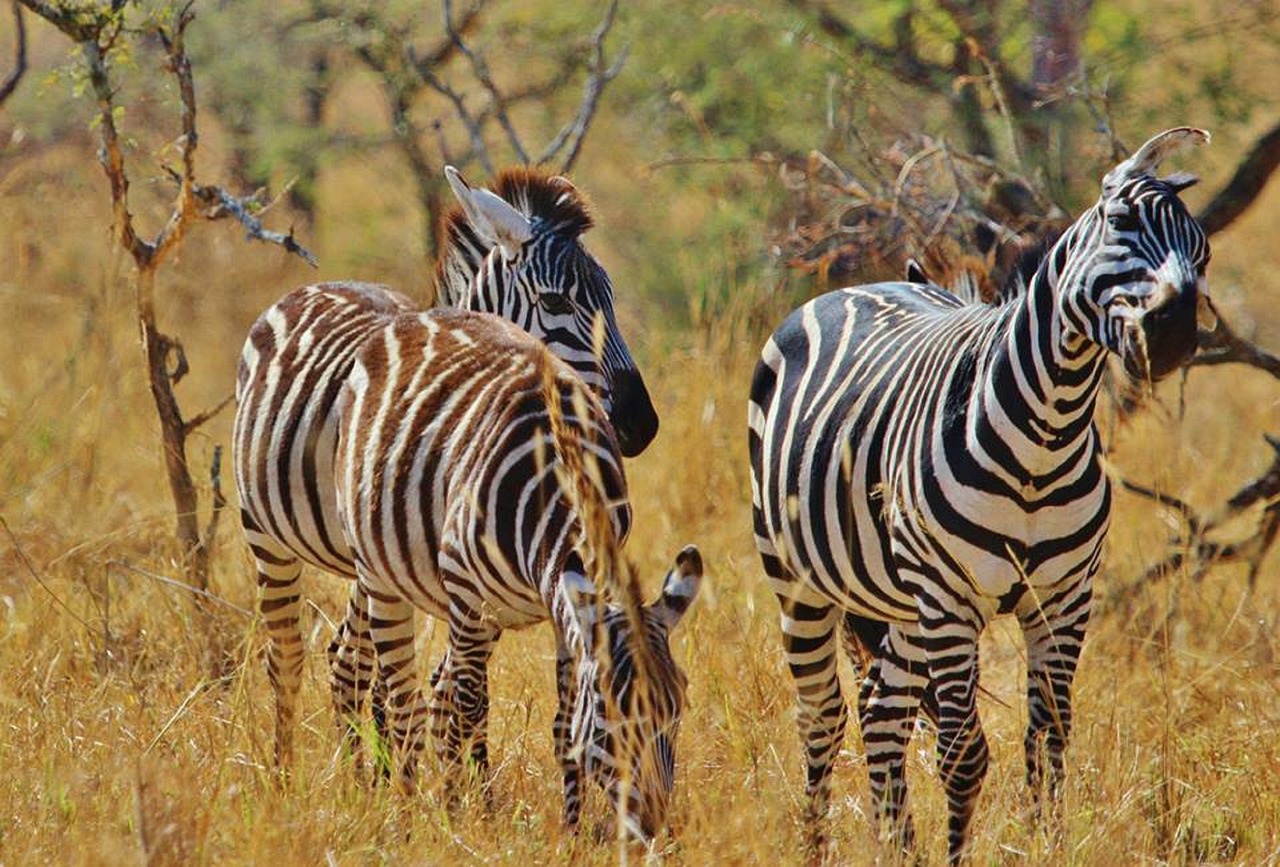
The long dry season is widely considered the best time to visit Tanzania for a safari. During these months, rainfall is virtually non-existent, and temperatures are pleasant, ranging from 15°C to 28°C. Because water sources shrink, wildlife gathers densely around rivers and waterholes, making them exceptionally easy to spot.
- June and July: Great for viewing the Serengeti's Western Corridor and Grumeti River crossings.
- August to October: The peak of the dry season, famous for the dramatic Mara River crossings in northern Serengeti and high predator activity.
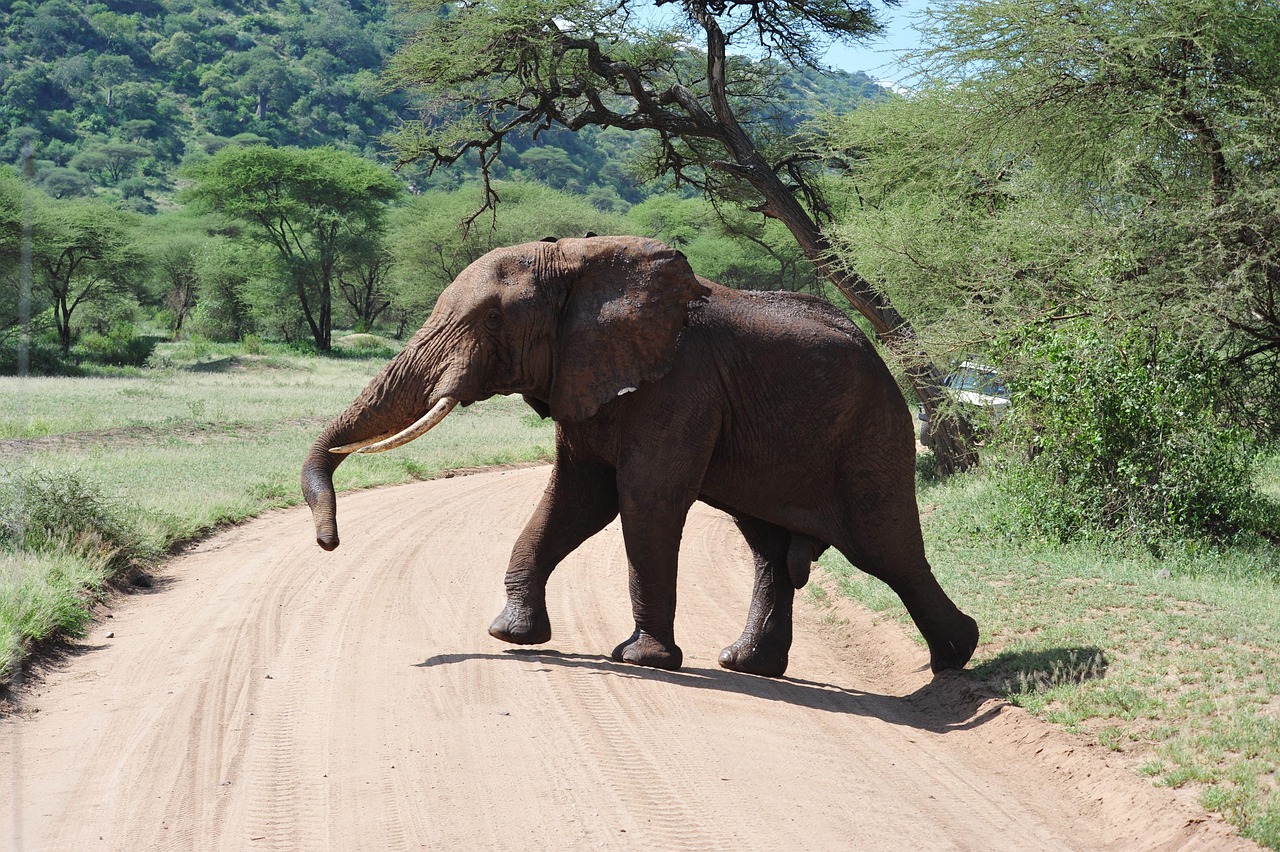
- Tarangire and Ngorongoro: Extremely productive during this season as thousands of elephants and herbivores seek refuge near permanent water sources.
The Short Dry Season (January to February)
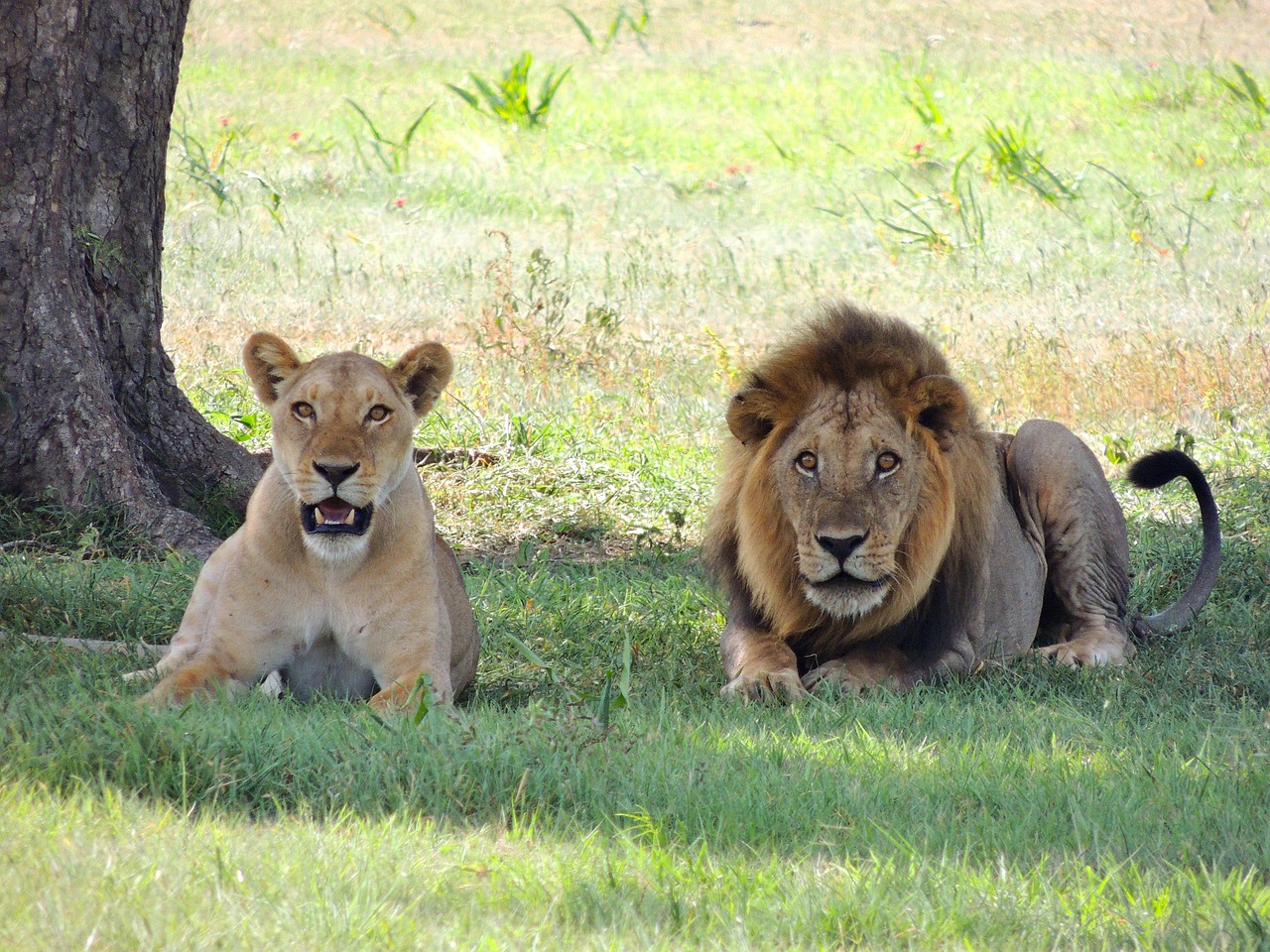
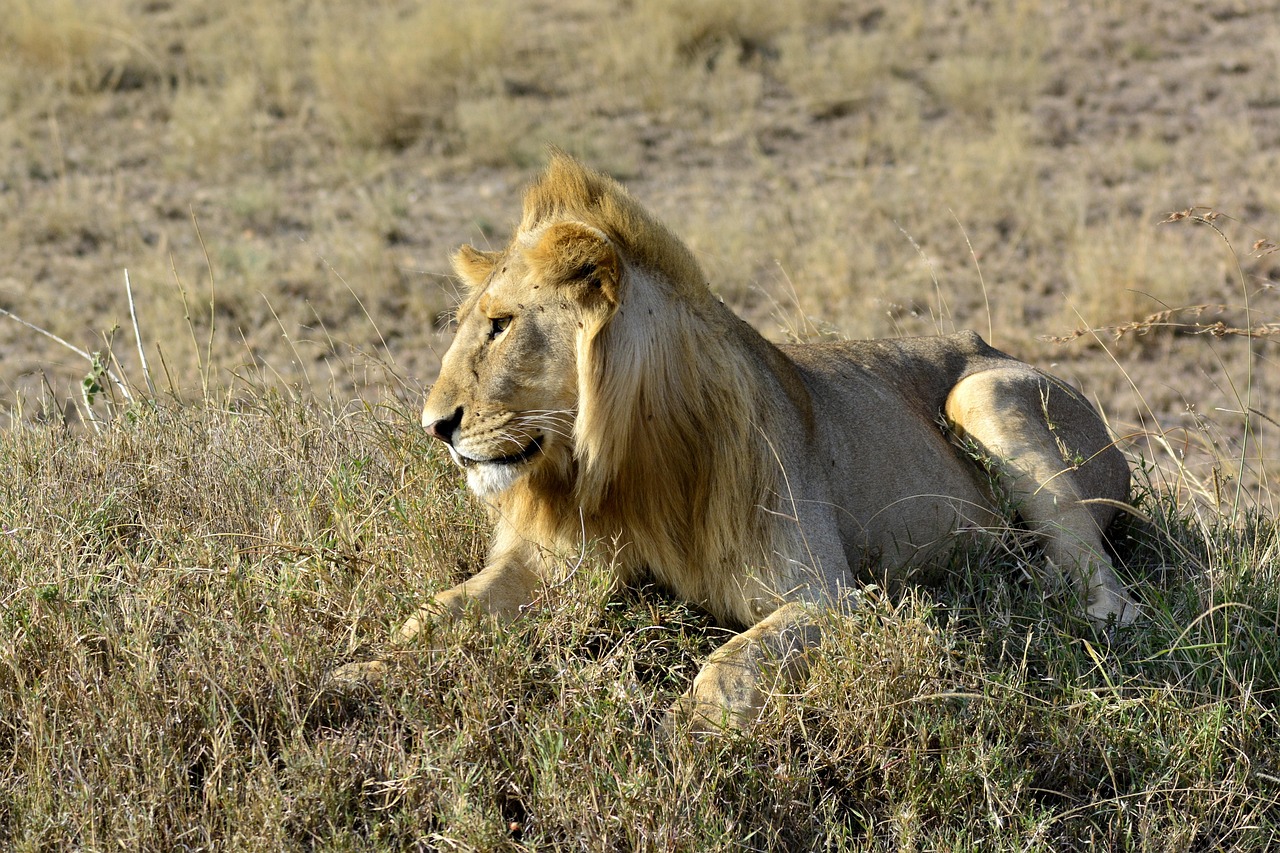
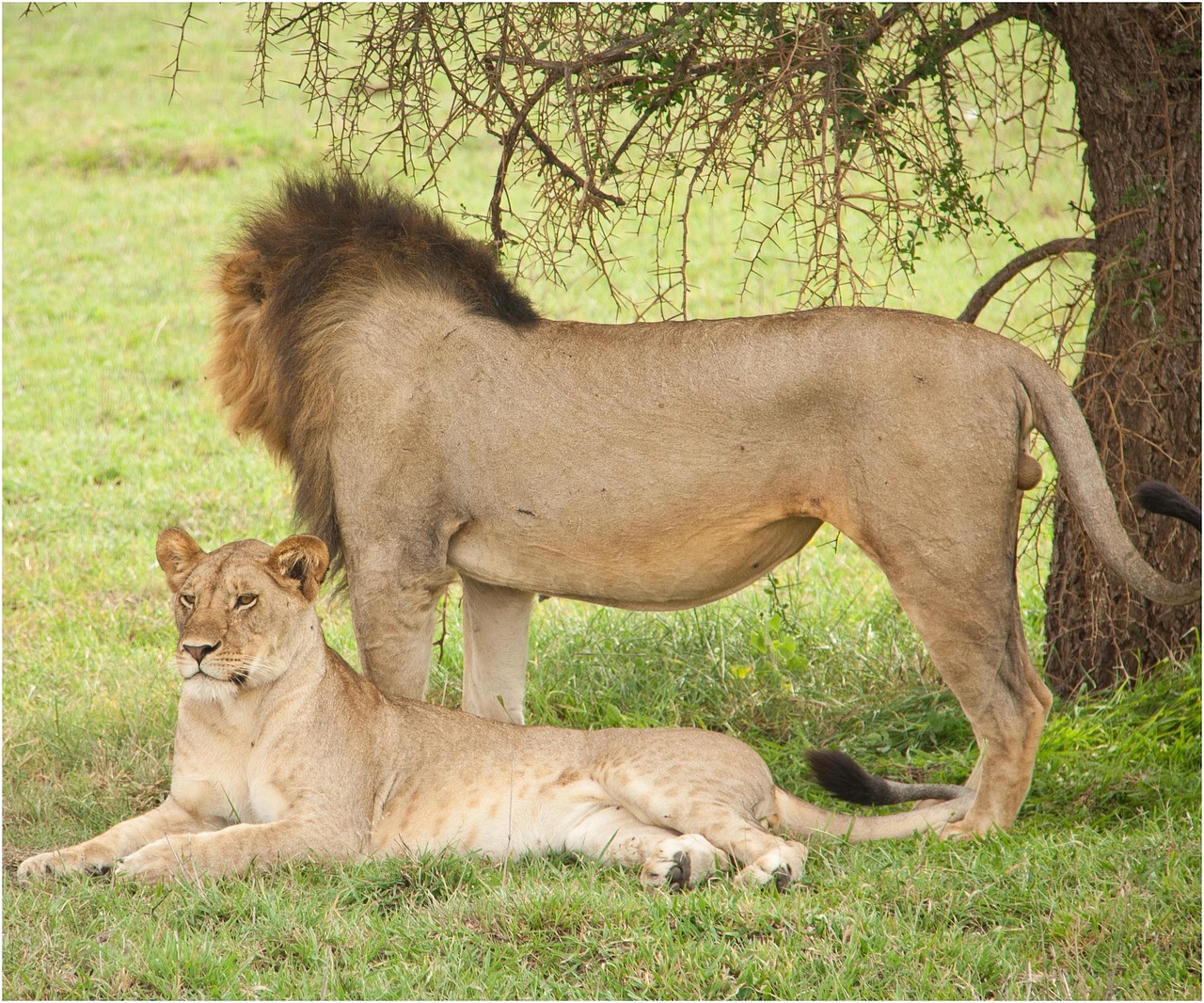
This mini-dry season is highly popular for the southern Serengeti and Ndutu plains. It is the calving season of the Great Migration, where over 500,000 wildebeest calves are born. Predators like lions, cheetahs, and hyenas are highly active, offering spectacular action for wildlife enthusiasts.
The Green Season (March to May & November to December)
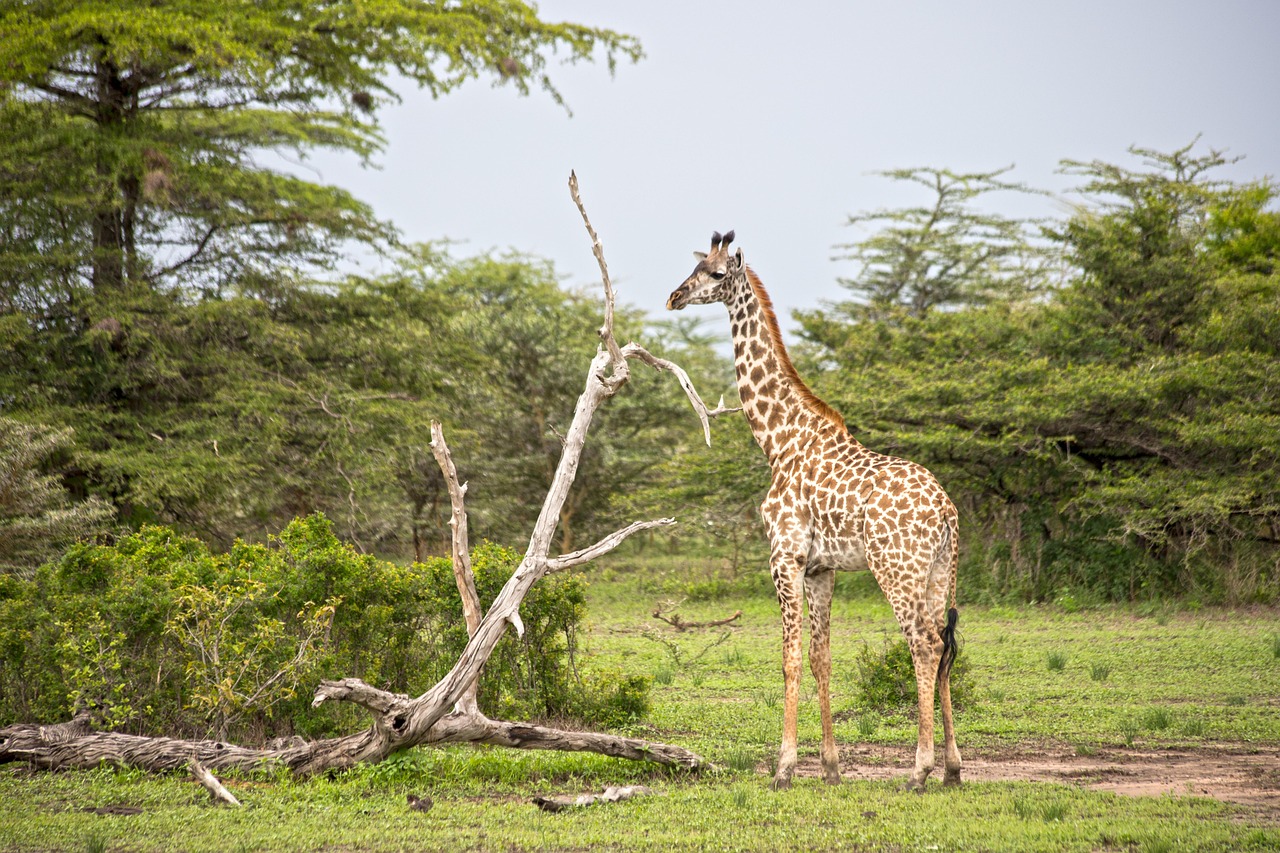
Tanzania's rainy seasons transform the dry savannah into lush, emerald ecosystems. While travel can be slightly more challenging due to mud, it offers incredible benefits:
- Lower Rates: Highly competitive rates on Tanzania safari packages.
- Lesser Crowds: Enjoy peaceful, exclusive game drives in Serengeti and Ngorongoro.
- Bird Watching: Migratory birds arrive in their thousands, making it a birdwatcher's paradise.
For more detailed weather statistics, check out the official guidance on the Tanzania Tourist Board Website.

