



Best Time to Climb Kilimanjaro
Tanzania Safari
Weather, Visibility, and Safety: Choosing Your Climb Dates
Mount Kilimanjaro is located close to the equator, meaning it does not experience standard winter and summer seasons. Instead, it experiences wet and dry seasons. Climbing during the dry seasons dramatically improves your safety, comfort, and summit chances.
While you can theoretically climb Mount Kilimanjaro during any month of the year, certain seasons offer far superior safety and visibility.
The Warm Dry Season (January to mid-March) - Highly Recommended
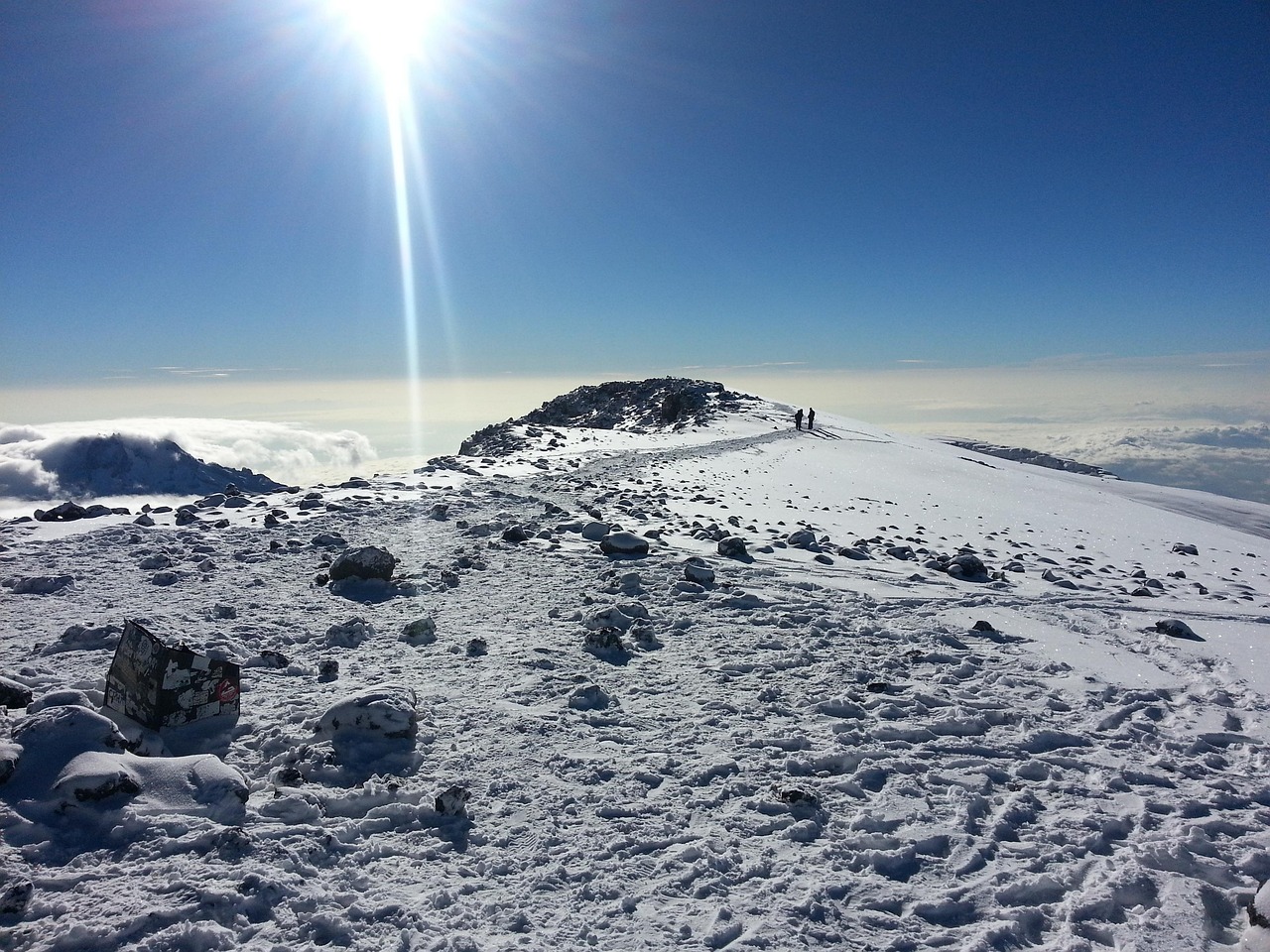
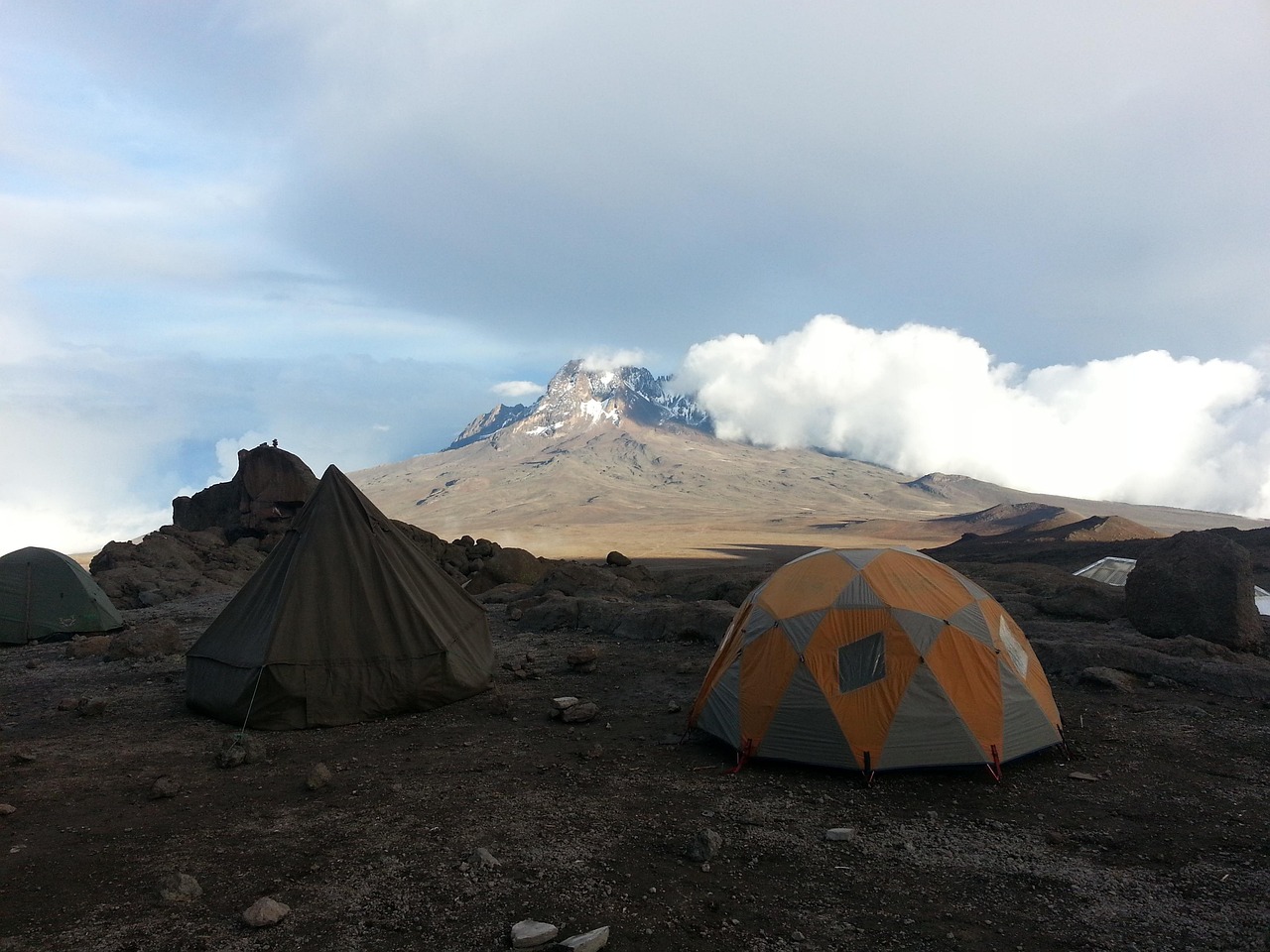
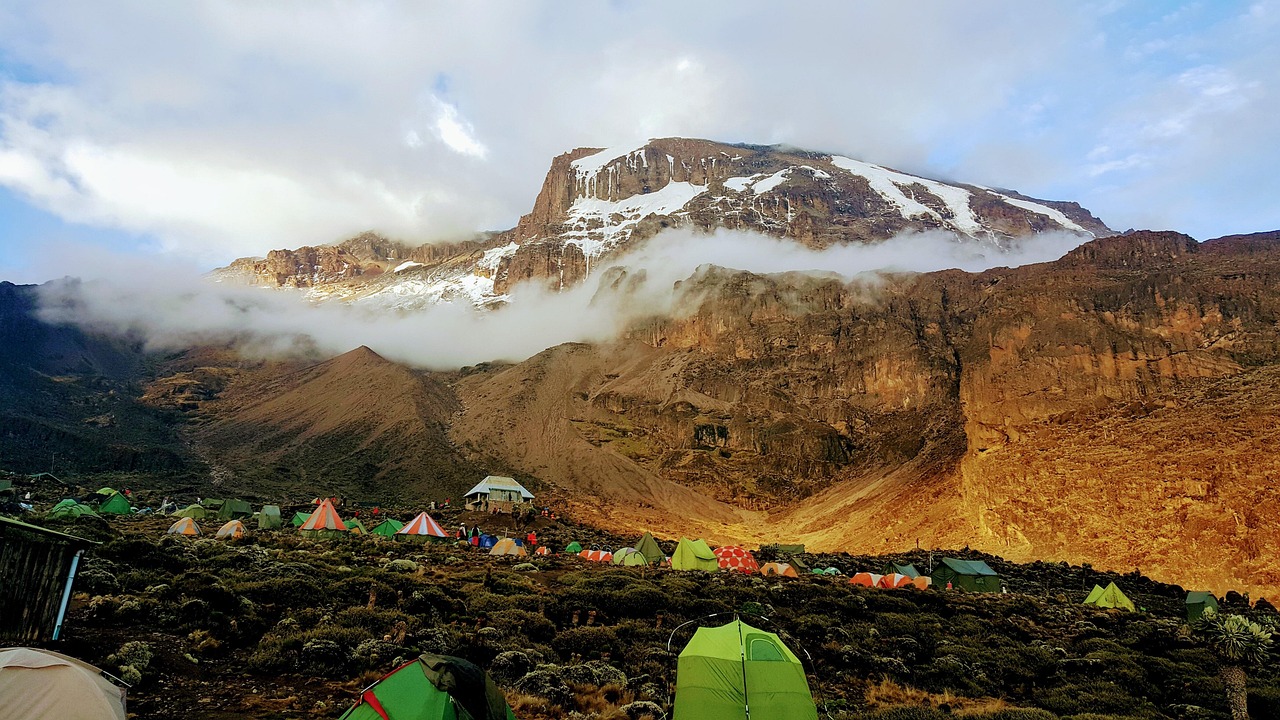
This is arguably the best climbing window on the mountain. The skies are typically clear, offering stunning views, and temperatures are slightly warmer compared to later in the year.
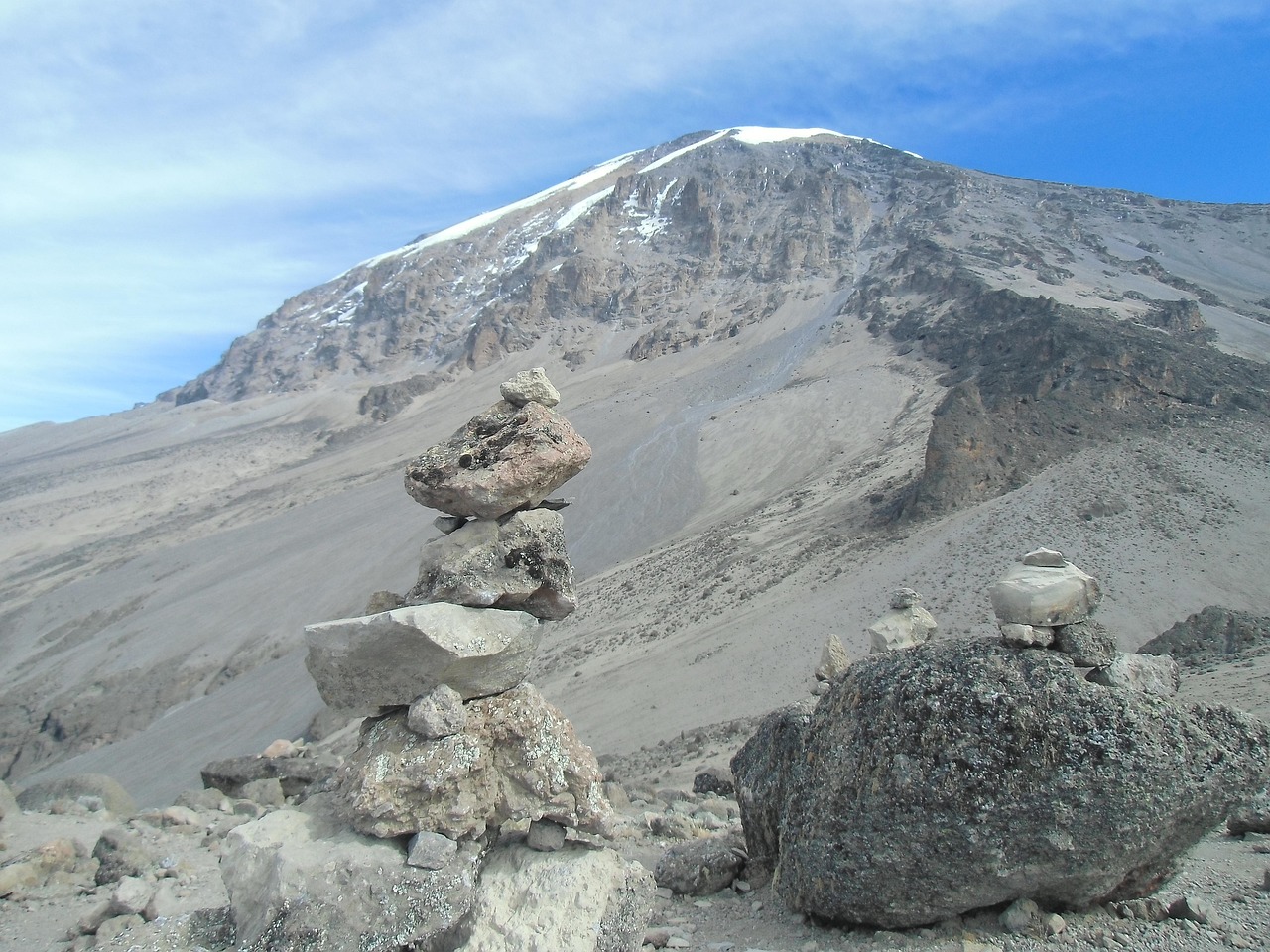
- Pros: High visibility, lower chance of rain, beautiful snow-capped summit views.
- Cons: Highly popular, trails can be moderately busy.
The Cool Dry Season (June to October) - Highly Recommended
The longest dry season of the year, coinciding with the summer travel holidays. The weather is dry, but it can get significantly colder, especially in the evenings.
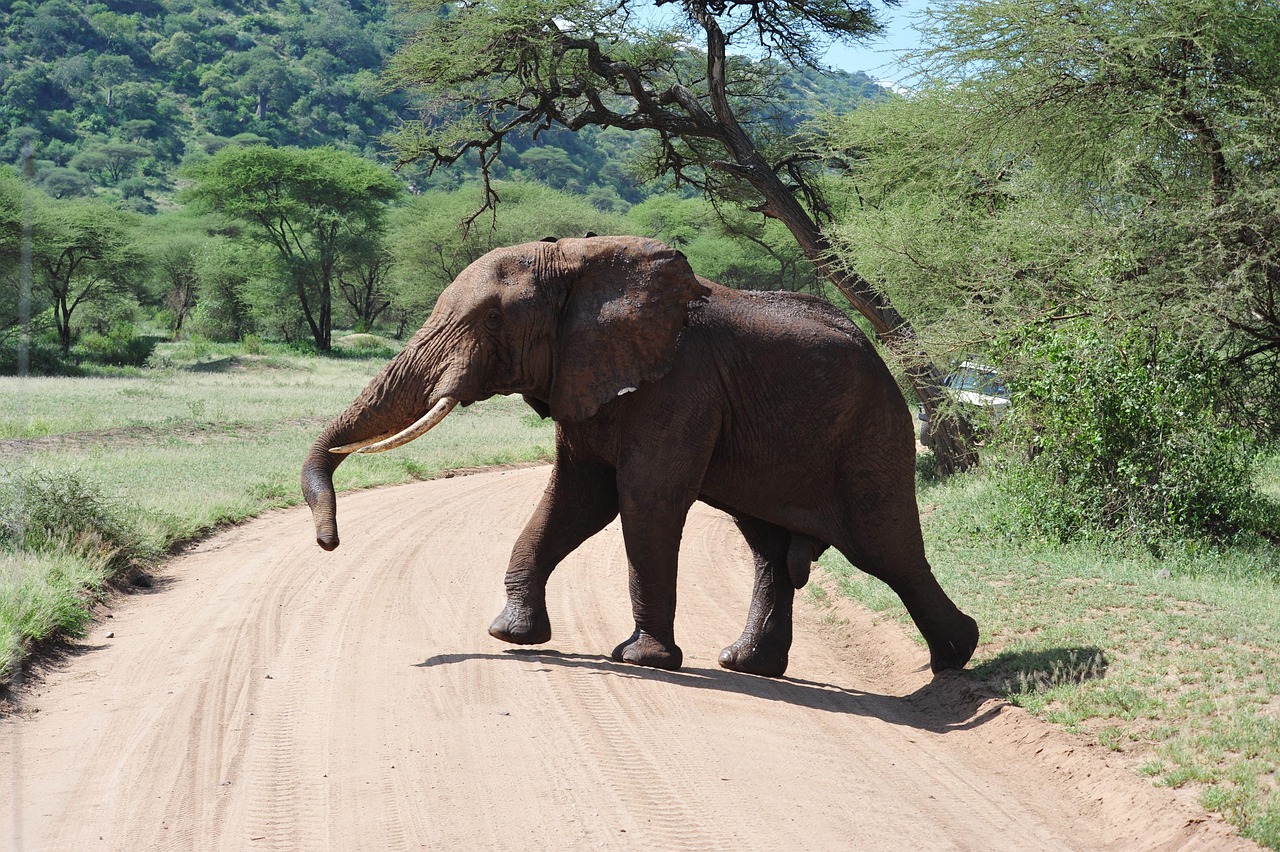
- Pros: Excellent climbing conditions, very low chance of rain, matches perfectly with a Tanzania wildlife safari.
- Cons: July and August are the peak booking months; popular routes like Machame can have higher traffic.
The Wet Seasons (April-May & November) - Avoid If Possible
The "long rains" fall from late March through May, and the "short rains" occur in November. During these months, trails are muddy, slippery, and visibility is low.
- Exceptions: If you must climb in November, the Rongai Route is the best option, as the northern slopes of the mountain receive significantly less rainfall.
Get up-to-date weather advisories by reading our detailed page: Best Time to Climb Kilimanjaro Page.

